
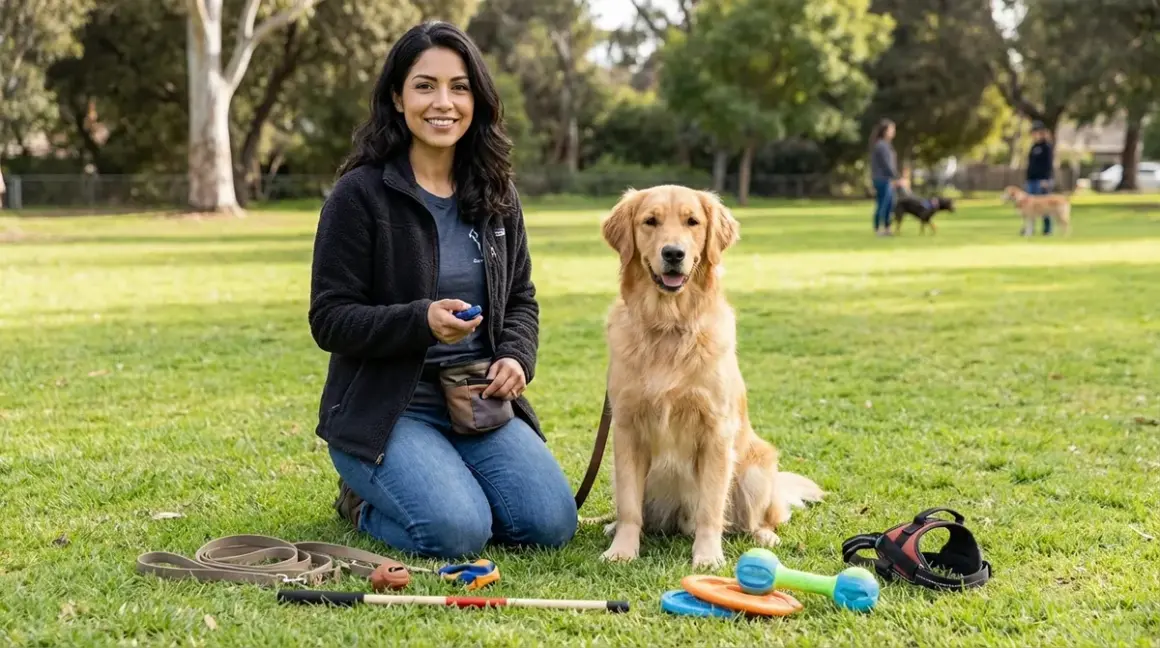

I'll be honest—when I first heard the term "canine training aids," I thought it meant those clickers my neighbor used with her Border Collie. Turns out, I had no idea how vast this world really is. As someone who's spent years deep in the small-pet universe (my guinea pigs could probably write their own how-to guide at this point), I approached dog training equipment with fresh eyes and a lot of questions. What I discovered is that canine training aids encompass everything from simple treat pouches to sophisticated electronic devices, all designed to help dogs—and their humans—communicate better.
In this guide, you'll learn what qualifies as a canine training aid, how different tools serve specific training goals, and how to choose equipment that matches your dog's age, temperament, and your training philosophy. This is an informational overview suitable for new dog owners and anyone curious about modern training methods—expect about 15 minutes of reading that'll save you hours of confusion in the pet supply aisle.

What You'll Need
To understand and evaluate canine training aids effectively, you'll want:
- Basic knowledge of your dog's age category (puppy 8 weeks-6 months, adolescent 6-18 months, adult 18 months-7 years, senior 7+ years)
- Awareness of your dog's size and breed characteristics (some aids are breed-specific)
- Understanding of your training goals (basic obedience, behavior modification, specialized skills)
- Your training philosophy preference (positive reinforcement, balanced training, etc.)
- Budget awareness (training aids range from under $5 to several hundred dollars)
- Space considerations (some equipment requires outdoor areas or larger indoor spaces)
Step 1: Understand the Core Categories of Canine Training Aids
Canine training aids fall into several distinct categories, each serving different training purposes. Positive reinforcement tools include clickers, treat pouches, and training treats—these reward desired behaviors and form the foundation of modern force-free training methods endorsed by organizations like the American Veterinary Society of Animal Behavior. I think of these as the "yes, exactly that!" tools that mark and reward the moment your dog gets it right.
Management and containment aids include crates, exercise pens, baby gates, and leashes of various lengths. These don't teach behaviors directly—they prevent unwanted behaviors while you're actively training the ones you want. It's like how I use fleece barriers to keep my guinea pigs from chewing baseboards during floor time: you're setting up the environment for success.
Communication devices range from simple whistles to more complex tools like training collars (vibration or tone-based), long-lines, and even treat-dispensing cameras for remote training. Behavior-specific aids address particular challenges: potty training sprays like the NatureVet Potty Here Training Aid Spray, anti-bark devices, anxiety wraps, and deterrent sprays for unwanted chewing or jumping.
The key is matching the tool category to your specific training challenge. A clicker won't help with potty training, and puppy training spray won't teach loose-leash walking.
Step 2: Identify Age-Appropriate Training Aids

Puppies (8 weeks to 6 months) need softer, gentler equipment sized for their developing bodies and minds. Look for puppy-specific harnesses with adjustable straps (they're growing fast), soft 4-6 foot leashes made from lightweight materials like nylon or biothane, and tiny training treats—we're talking pea-sized or smaller to avoid overfeeding during frequent reward sessions. The puppy training aids you choose should never cause physical discomfort; a puppy's neck and trachea are vulnerable, so many trainers recommend harnesses over collars during this stage.
For potty training specifically, aids like dog potty training sprays and attractants can mark appropriate elimination spots, while puppy pads with attractant scents help establish indoor relief areas when needed. My neighbor swears by the house training setup she used with her Lab puppy—a combination approach that included both outdoor spray markers and consistent crate training.
Adolescent and adult dogs (6 months to 7 years) can use standard-sized equipment, but the specific aids depend heavily on training goals. An adult dog learning basic obedience needs different tools than one working on reactivity issues or advanced skills. Senior dogs (7+ years) may require specialized aids that account for physical limitations—arthritis might make getting up and down difficult, affecting how you use place boards or platforms, and cognitive changes might mean you need clearer, more distinct marker signals.
Step 3: Choose Training Aids Based on Your Training Method
Your training philosophy dramatically shapes which canine training aids you'll find useful. Positive reinforcement training (reward-based, force-free) relies heavily on markers like clickers or verbal cues, high-value treats (freeze-dried meat, cheese, special commercial training treats), treat pouches for easy access, and target sticks for shaping behaviors. This approach, backed by behavioral science research, focuses on rewarding what you want to see more of.
Many modern trainers also incorporate management tools regardless of their broader philosophy—things like long-lines (15-30 foot leashes) for teaching recall in open spaces, or front-clip harnesses that reduce pulling without causing discomfort. I've noticed these tools work similarly to how I manage my guinea pigs' environment: you're not punishing undesired behavior, you're making desired behavior easier and more rewarding.
Balanced training methods might include additional tools like prong collars (used with proper fitting and technique) or e-collars (electronic training collars with multiple stimulation levels). These remain controversial—many veterinary behaviorists caution against aversive tools due to potential fallout including increased fear, anxiety, and aggression. If you're considering these aids, work with a certified professional trainer who can assess whether they're appropriate for your specific situation.
The dog training aids overview on our site covers the full spectrum of tools and their applications, which helped me understand the reasoning behind different approaches when I was researching this piece.
Step 4: Evaluate Training Treats and Food-Based Motivators

Training treats are arguably the most universal canine training aid, but not all treats work equally well. The ideal training treat is soft (so your dog doesn't stop to chew), small (pea-sized pieces prevent overfeeding), highly palatable (valuable enough to compete with distractions), and easily digestible (you'll be using dozens per session).
Look for treats with protein as the first ingredient—meat-based options like freeze-dried liver, chicken, or salmon typically rank highest in palatability. Avoid treats with artificial colors, excessive fillers like corn or wheat (common allergens), or high fat content that can cause digestive upset when used frequently. For puppies specifically, the best puppy training treats should also be age-appropriate in terms of calorie content and size.
Calorie management becomes critical during intensive training periods. A 30-pound dog eating 800 calories daily might consume 100-200 calories in training treats during a focused training week. Low-calorie training treats let you reward frequently without weight gain, or you can use a portion of your dog's regular food as training rewards—just deduct that amount from their meal portions.
Some trainers keep a "treat hierarchy"—low-value treats for easy tasks in low-distraction environments, medium-value for moderate challenges, and high-value (like real chicken or cheese) for difficult tasks or high-distraction scenarios. Learning how to use treats effectively matters as much as the treats themselves.
Step 5: Select Physical Training Equipment (Leashes, Collars, Harnesses)
Leashes come in materials ranging from leather (durable, softens with use, can be slippery when wet) to nylon (affordable, lightweight, machine washable), biothane (waterproof, easy to clean, doesn't absorb odors), and chain (for dogs who chew through fabric, but heavier). Standard leashes measure 4-6 feet—ideal for structured walks and basic training. Long-lines (15-50 feet) allow distance training for recall without losing control, while retractable leashes remain controversial (many trainers dislike them due to inconsistent tension and safety concerns).
Collars serve multiple purposes. Flat buckle collars work for ID tags and well-trained dogs who don't pull. Martingale collars (limited-slip design) prevent dogs from backing out without the constant pressure of a choke chain. Head halters like the Gentle Leader provide steering control but require acclimation—many dogs initially resist the sensation around their muzzle. Prong and choke collars carry the risk of tracheal damage and should only be used under professional guidance, if at all.
Harnesses have become increasingly popular, especially the front-clip designs that discourage pulling by redirecting dogs toward you when they forge ahead. Back-clip harnesses work well for dogs who already walk politely but can actually encourage pulling in dogs still learning. The fit matters enormously—measure your dog's chest girth at the widest point, and ensure you can fit two fingers between the harness and their body. A harness that rubs will create aversion to the training itself.
For puppies specifically, adjustable designs accommodate rapid growth, but plan to buy 2-3 different sizes during their first year. It's an investment, but an ill-fitting harness can cause gait problems or make training sessions uncomfortable enough that your puppy starts resisting.
Step 6: Explore Behavior-Specific Training Aids

Potty training aids include attractant sprays that encourage elimination in designated areas, enzymatic cleaners that remove odor markers from accidents (preventing repeat offenses in the same spot), and puppy pads with built-in attractants. The potty training spray selection guide explains how these work—they typically contain pheromones or scents that trigger a dog's instinct to eliminate in areas that smell like urine.
The Bodhi Dog Potty Training Spray uses natural ingredients and works both indoors and outdoors, though results vary by dog. Some trainers love these products, while others find them hit-or-miss depending on the individual dog's responsiveness to scent cues.
Bark control aids range from citronella collars (spray a harmless but unpleasant scent when the dog barks) to ultrasonic devices (emit a high-frequency sound inaudible to humans), and vibration collars (provide a startling sensation). These work better for nuisance barking than alert barking—a dog warning you about an actual intruder probably won't be deterred by a puff of citronella. For nighttime barking specifically, addressing the underlying cause (anxiety, boredom, medical issues) usually works better than suppression devices, as outlined in how to stop dog barking at night.
Chew deterrents include bitter sprays applied to furniture or objects—these taste unpleasant enough that most dogs avoid the treated item. They work best combined with appropriate chew toys, because dogs need to chew, especially during teething. You're redirecting, not just preventing.
Step 7: Consider Technology-Enhanced Training Aids
Modern canine training aids increasingly incorporate technology. Training apps now pair with wearable devices that track your dog's activity levels, sleep patterns, and even bark frequency—data that helps identify patterns in behavior problems. Some apps include training programs with video demonstrations and progress tracking.
Treat-dispensing cameras let you remotely watch your dog and deliver treats, useful for reinforcing calm behavior when you're away or practicing separation anxiety protocols. The limitation? You can't mark the exact moment of desired behavior with the same precision as in-person training, so these work better for maintaining already-learned behaviors than teaching new ones.
Automatic feeders aren't typically considered training aids, but they can be—programmable feeders let you create meal-based routines that reduce anxiety around food scarcity. Some models even integrate with training protocols by dispensing small amounts frequently, keeping food motivation high throughout the day. The guide on how to transition to an automatic feeder covers the behavioral aspects of this equipment.
Electronic training collars (e-collars) with adjustable stimulation levels remain deeply divisive. Proponents argue they enable off-leash reliability and can prevent dangerous behaviors (like chasing livestock). Critics point to research showing increased stress behaviors and the risk of learned helplessness. If you're considering one, understand that improper use can seriously damage your relationship with your dog—this isn't equipment to experiment with casually.
Step 8: Match Training Aids to Specific Learning Goals

Basic obedience training (sit, down, stay, come, loose-leash walking) requires relatively minimal equipment: a flat collar or harness, standard 6-foot leash, quality training treats, and optionally a clicker or verbal marker. That's it. You don't need elaborate gear for foundation behaviors—consistency and technique matter far more than equipment.
Behavior modification for issues like reactivity, aggression, or severe anxiety typically requires more specialized aids plus professional guidance. Basket muzzles (properly conditioned, not punishment devices) keep everyone safe during desensitization work. Long-lines allow distance from triggers while maintaining control. Calming aids like pressure wraps or pheromone diffusers might supplement training protocols, though they're not replacements for actual behavior modification work.
Sport and advanced training introduces specialized equipment: agility obstacles, scent discrimination items, retrieve dumbbells in various materials and weights, platforms for position training, or protection equipment for bitework. Each dog sport has its own equipment requirements—what you need for nosework differs completely from rally obedience gear.
The training aids you choose should make the specific behavior you're teaching easier for your dog to understand and perform, not just give you more control. That's the distinction between a true training aid and a management tool.
Pro Tips & Common Mistakes
Start with less, not more. The most common mistake I see—granted, mostly through my neighbor's experiences, not my guinea pig-focused life—is buying too many training aids before understanding your dog's specific needs. A simple clicker, a bag of quality treats, and a properly fitted collar or harness will take you further than a garage full of unused equipment.
Quality matters more than quantity. A $15 leather leash that lasts ten years beats three $8 nylon leashes that fray within months. This applies especially to harnesses and collars—cheap hardware breaks at the worst possible moments (like when your dog spots a squirrel near a busy street).
Fit the equipment properly, then check again. Dogs' bodies change—puppies grow, adults gain or lose weight, seniors develop muscle loss. A harness that fit perfectly six months ago might now be too tight or loose. Check fit monthly, and always before introducing any new equipment.
Don't rely solely on equipment to fix behavior problems. Training aids support training, they don't replace it. A no-pull harness might reduce pulling, but it won't teach your dog to walk politely—you still need to train that behavior. Similarly, how many treats you use during training matters less than your timing and consistency in delivering them.
Introduce new equipment gradually. Many dogs need time to acclimate to unfamiliar gear, especially things like muzzles, head halters, or body harnesses. Rushing this process creates negative associations that make future training harder. Take a week to make the equipment predict good things (treats, play, walks) before actually using it for training.
Frequently Asked Questions
What are the most essential canine training aids for a new puppy owner?
The most essential canine training aids for a new puppy are a properly fitted harness or flat collar, a standard 6-foot leash made from durable material like nylon or biothene, high-quality soft training treats in pea-sized pieces, a treat pouch for convenient access during training sessions, and optionally a clicker or consistent verbal marker like "yes" to mark desired behaviors accurately.
Are electronic training collars considered humane canine training aids?

Electronic training collars (e-collars) remain controversial among veterinary behaviorists and professional trainers, with many major training organizations recommending against them due to research showing potential for increased stress, fear, and aggression; however, some trainers use modern e-collars with adjustable stimulation levels for specific applications like off-leash reliability in working dogs, emphasizing that proper professional guidance and appropriate use protocols are absolutely critical to avoid causing behavioral harm.
How do I choose between a front-clip and back-clip harness as a training aid?
Front-clip harnesses work better as training aids for dogs who pull because the front attachment point redirects your dog toward you when they forge ahead, naturally discouraging pulling, while back-clip harnesses are more suitable for dogs who already walk politely on leash since the back attachment doesn't provide the same pulling deterrent and can actually encourage pulling in dogs still learning loose-leash walking skills.
Can I use regular dog treats instead of specialized training treats?
You can use regular dog treats for training if you cut them into pea-sized pieces and account for the additional calories by reducing meal portions, but specialized training treats are specifically formulated to be soft, highly palatable, and appropriately sized for rapid-fire rewarding during intensive training sessions, making them more effective than hard biscuits or large treats that require chewing time between repetitions.
Summary
Canine training aids encompass a surprisingly broad range of equipment—from simple treat pouches to sophisticated electronic devices—all designed to facilitate communication between you and your dog. The most effective approach starts with understanding your training goals, your dog's age and temperament, and your preferred training philosophy before investing in equipment. Foundation training requires surprisingly little: quality treats, a proper leash and collar or harness, and consistent technique matter far more than elaborate gear.
Remember that training aids support your training efforts but never replace them. A clicker won't teach behaviors by itself; potty training spray won't housetrain a puppy without consistent routine. These tools amplify good technique and make communication clearer, but you're still the essential ingredient in the training process.
Start simple, invest in quality basics, and add specialized equipment only as specific needs emerge. Your relationship with your dog matters infinitely more than any equipment you buy.