
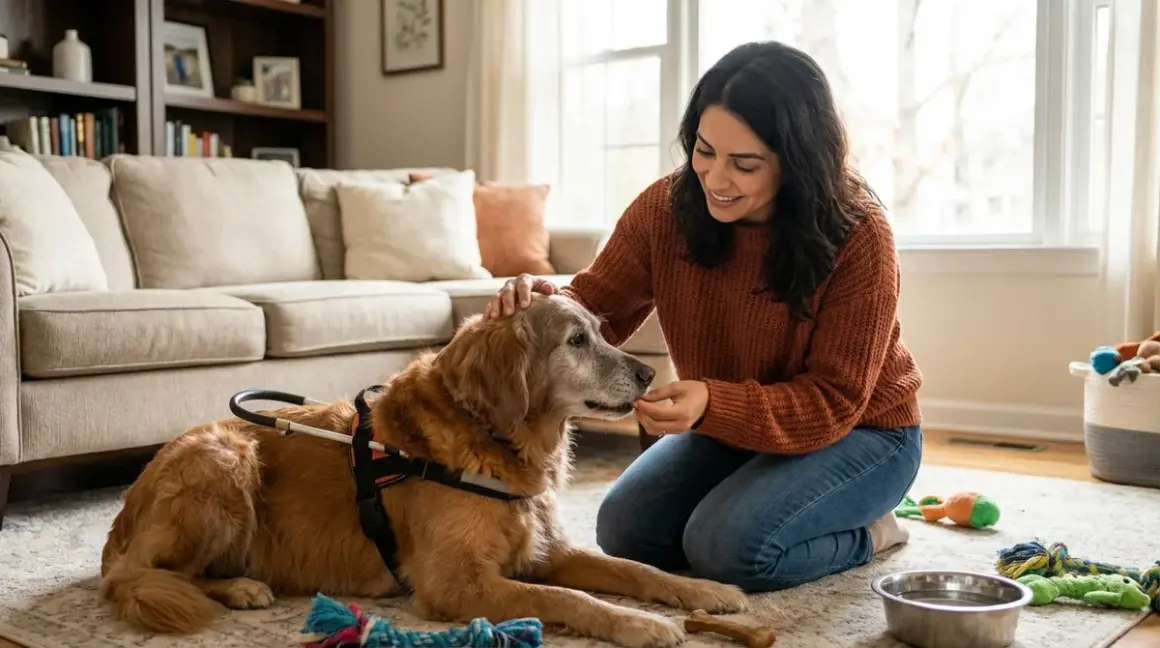

I'll be honest—I never expected to become someone who researches orthopedic dog beds at midnight. But here I am, years into my guinea pig parenting journey, watching my friends navigate senior dog care with their beloved companions, and I've learned something: caring for an aging pet (whether it's a dog, a guinea pig, or anything in between) means accepting that their needs change. Just like my senior guinea pig, Mocha, needed softer bedding and easier-to-reach water bottles as she aged, senior dogs need specific accommodations that honor their years of loyalty. This guide walks you through everything you need to know about keeping your older dog comfortable, healthy, and thriving.
What Is Senior Dog Care?
Senior dog care refers to the specialized attention, medical monitoring, nutrition adjustments, and lifestyle modifications required to support dogs as they enter their golden years. Unlike the boundless-energy puppy phase or the steady adult years, senior dogs experience physical and cognitive changes that demand a different approach to daily care.
The age at which a dog becomes "senior" varies significantly by size and breed. Small breeds (under 20 pounds) typically reach senior status around 10-12 years old, medium breeds (20-50 pounds) around 8-10 years, large breeds (50-90 pounds) around 6-8 years, and giant breeds (over 90 pounds) as early as 5-7 years. This variation exists because larger dogs age faster at a cellular level—something researchers at the American Veterinary Medical Association have documented extensively.
When we talk about Understanding Geriatric Dogs: When Your Dog Becomes a Senior, we're not just marking a calendar date. Senior dog care means watching for subtle shifts: the slight hesitation before jumping onto the couch, the graying muzzle, the afternoon naps that last a bit longer. It's about adapting your routines before problems become crises.
How Senior Dog Care Works
The mechanism behind effective senior dog care involves proactive monitoring, environmental adjustments, and preventive veterinary intervention. Unlike reactive care—waiting until something breaks down—senior dog care operates on the principle that early detection and gradual adaptation prevent suffering.
Veterinary care shifts from annual check-ups to biannual examinations for most senior dogs. These visits typically include bloodwork (complete blood count and chemistry panel), urinalysis, blood pressure monitoring, and often thyroid function tests. The goal? Catching kidney disease, diabetes, thyroid disorders, and other age-related conditions before clinical symptoms appear. Your vet creates a baseline when your dog enters senior status, then tracks changes over time—a subtle creatinine increase might signal early kidney concerns, while rising alkaline phosphatase levels could indicate liver changes or Cushing's disease.
Nutritional requirements change significantly as dogs age. Senior dogs often need fewer calories (their metabolism slows and activity decreases), higher-quality protein to maintain muscle mass despite reduced absorption efficiency, added joint-supporting ingredients like glucosamine and chondroitin, and sometimes increased fiber for digestive health. The best dog food for senior dogs typically contains around 18-25% protein (higher than many assume), moderate fat (5-10% lower than adult formulas), and enhanced levels of omega-3 fatty acids for cognitive and anti-inflammatory benefits.
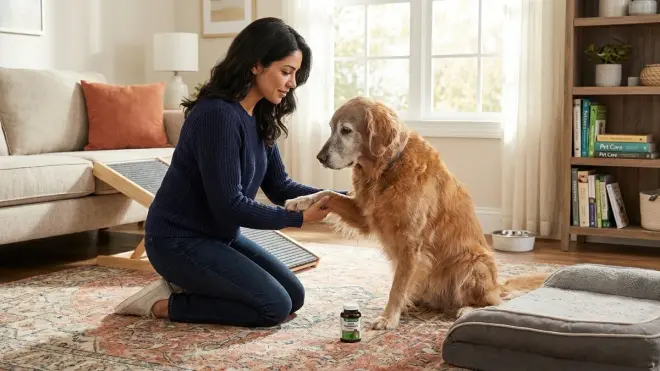
Environmental modifications form the practical backbone of senior dog care. This means orthopedic beds with memory foam or supportive bolsters (4-6 inches thick for proper joint cushioning), non-slip flooring solutions like yoga mats or textured runners on hardwood, ramps or stairs with 18-20 degree inclines for furniture or vehicle access, and raised food bowls positioned at chest height to reduce neck strain. I watched my friend install a simple $30 ramp next to her couch for her 11-year-old Labrador, Max, and the relief on his face was immediate—no more painful jumping.
Exercise routines require recalibration. Rather than one 45-minute walk, senior dogs often do better with two or three 15-20 minute outings. The intensity drops, but frequency maintains muscle tone and mental stimulation. Swimming and controlled leash walks on soft surfaces (grass, dirt trails) replace rough-and-tumble dog park romps. You're aiming for consistent, gentle movement rather than sporadic intense activity.
Cognitive engagement becomes crucial as dogs age. Interactive feeding toys, scent work games, and short training sessions (5-10 minutes) keep neural pathways active. Just like my guinea pigs benefit from foraging opportunities that engage their natural behaviors, senior dogs need mental stimulation tailored to their physical limitations. A dog who can't chase anymore might excel at "find it" games where treats are hidden around the house.
Why Senior Dog Care Matters
The practical significance of dedicated senior dog care extends far beyond simply extending lifespan—it's about maintaining quality of life during your dog's final years. Without proper senior dog care, dogs experience unnecessary pain from unmanaged arthritis, confusion from undiagnosed cognitive decline, and distress from preventable medical conditions.
Early intervention dramatically improves outcomes. Dogs whose owners implement senior dog mobility issues management at the first signs of stiffness—rather than waiting until the dog can't rise from the floor—maintain better muscle strength and joint function. A study published by veterinary orthopedic specialists found that dogs starting joint supplements and modified exercise routines at age 7-8 showed 40% less cartilage degradation by age 10 compared to dogs who began intervention at age 9-10.
The financial reality matters, too. Proactive senior dog care costs more upfront (those biannual vet visits, the higher-quality food, the supplements), but it prevents catastrophic emergency expenses. I've seen friends spend $3,000-5,000 on emergency surgery for conditions that might have been managed with $500-800 annual preventive care. It's not unlike how regular guinea pig vet checks catch early respiratory issues before they become life-threatening pneumonia.
The emotional component deserves acknowledgment. Senior dog care honors the relationship you've built. The dog who protected you during anxiety attacks, who greeted you after every bad day, who learned 47 commands just to make you smile—that dog deserves your attention to their comfort. Setting up senior dog comfort needs isn't sentimental; it's ethical reciprocity.
Key Aspects of Senior Dog Care
Nutrition and Weight Management

Senior dogs face a tricky metabolic paradox: they need fewer calories but more nutritional density. A sedentary 10-year-old Golden Retriever might need 20-30% fewer calories than at age 3, but requires higher-quality protein sources to counteract age-related muscle wasting (sarcopenia).
Look for senior formulas with named meat proteins (chicken, beef, salmon—not "meat meal") as the first ingredient, moderate fat content (8-12% for most seniors, lower if weight loss is needed), and added joint support compounds. Glucosamine levels should be around 300-400 mg/kg of food, chondroitin around 100 mg/kg. Many premium brands also include omega-3 fatty acids (EPA and DHA from fish oil) at therapeutic levels—look for at least 0.3-0.5% on a dry matter basis.
Some senior dogs benefit from wet food or moistened kibble. Dental disease often makes dry food painful (more on that shortly), and moisture content helps dogs with reduced thirst drive stay hydrated. If your dog's been on dry food for years, you can learn how to switch dog food gradually to prevent digestive upset.
Weight management becomes critical. Even 2-3 pounds of extra weight on a 40-pound dog places significant stress on arthritic joints. I tell people to think of it like carrying a backpack all day—those extra pounds accumulate as joint pain by evening. If your dog needs to slim down, check out guidance on how to help your senior dog lose weight safely.
Joint Health and Mobility Support
Osteoarthritis affects approximately 80% of dogs over age 8, according to veterinary orthopedic data. The cartilage that cushions joints wears down, bones grind together, inflammation increases, and pain limits movement. This isn't just about limping—it's about a dog who stops greeting you at the door or refuses stairs they once bounded up.
Multimodal pain management works best: non-steroidal anti-inflammatory drugs (NSAIDs) like carprofen or meloxicam prescribed by your vet, joint supplements containing glucosamine, chondroitin, and MSM, omega-3 fatty acids at therapeutic doses (aim for 50-100 mg combined EPA/DHA per pound of body weight daily), and alternative therapies like acupuncture or laser treatment.
Physical therapy and controlled exercise maintain muscle mass that supports weakened joints. Hydrotherapy—swimming or underwater treadmill sessions—provides resistance training without joint impact. Even a 12-year-old German Shepherd with severe hip dysplasia can benefit from 10-minute gentle walks twice daily. The complete approach to exercise for elderly dogs balances movement with rest periods.
Environmental modifications reduce daily joint stress: orthopedic beds (memory foam or egg-crate foam at least 4 inches thick), carpet runners or yoga mats on slippery floors, ramps with gradual inclines (maximum 20 degrees), and raised food/water bowls. I helped a neighbor set up what we jokingly called "the senior suite" for his 13-year-old Beagle—cushioned everything, no stairs, all bowls raised. The dog moved more freely within days.
Dental Health Management
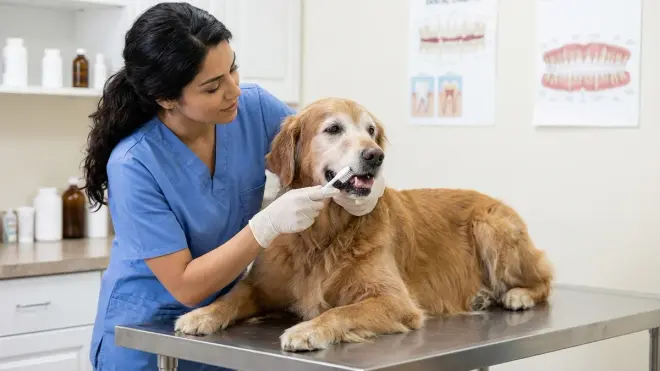
Periodontal disease affects 80-90% of dogs over age 3, and it's even more prevalent in seniors. This isn't just about bad breath—untreated dental disease causes chronic pain, difficulty eating, and bacteria that can spread to the heart, liver, and kidneys through the bloodstream.
Senior dogs need regular dental examinations (at minimum during those biannual vet visits) and professional cleanings under anesthesia when necessary. Yes, anesthesia carries slightly higher risks for seniors, but modern protocols with pre-anesthetic bloodwork, IV fluids, and careful monitoring make it safer than ever. The alternative—living with infected, painful teeth—causes greater suffering.
Home dental care matters tremendously: daily tooth brushing with pet-safe toothpaste (never human toothpaste, which contains toxic xylitol), dental chews approved by the Veterinary Oral Health Council, and water additives that reduce plaque formation. Dogs with severe dental disease may need wet food or softened kibble—no one should have to chew on painful teeth. More details in our guide to senior dog dental care.
Cognitive Health and Mental Stimulation
Canine Cognitive Dysfunction (CCD), essentially doggy dementia, affects 14-35% of dogs over age 8 and up to 68% of dogs 15-16 years old. Signs include disorientation (staring at walls, getting "lost" in familiar spaces), altered sleep-wake cycles (pacing at night, sleeping all day), house soiling despite being house-trained, and reduced interaction with family.
Mental enrichment slows cognitive decline: puzzle feeders that make dogs work for meals, scent games where you hide treats around the house, short training sessions teaching new tricks (yes, old dogs CAN learn new tricks—it's excellent neural stimulation), and maintained social routines that provide structure.
Supplements and medications can help. Omega-3 fatty acids support brain health, medium-chain triglycerides (MCTs) provide alternative brain fuel, and prescription medications like selegiline improve neurotransmitter function. Antioxidants (vitamins E and C, selenium) combat free radical damage. Our comprehensive look at cognitive decline in senior dogs covers management strategies in depth.
Routine becomes more important as dogs age. Feed at the same times, walk the same routes, maintain predictable schedules. Senior dogs with cognitive changes find comfort in consistency—kind of like how my older guinea pig Mocha would get agitated if I rearranged her cage furniture.
Regular Health Monitoring
Biannual veterinary examinations form the foundation of senior dog care. These visits typically include physical examination with attention to heart murmurs, lymph node enlargement, and abdominal masses, bloodwork (CBC, chemistry panel, thyroid function), urinalysis to detect early kidney disease or diabetes, and blood pressure monitoring (hypertension is common in seniors).
Home monitoring helps you spot changes early: weekly body condition assessments (run your hands along ribs—you should feel them easily but they shouldn't protrude), daily observation of appetite, water intake, urination and defecation patterns, energy levels, mobility (any new stiffness or limping?), and behavior changes.
Keep a simple health journal. I learned this from tracking my guinea pigs' weights weekly—patterns emerge that you'd miss relying on memory alone. Note when your dog seems more tired than usual, when they start drinking more water, when they hesitate on stairs. Share this log at vet visits. Your observations provide crucial context that lab values alone can't capture. The senior dog health checklist gives you a framework for systematic monitoring.
Specialized Supplements

Joint supplements typically combine glucosamine (300-500 mg per 25 pounds of body weight daily), chondroitin (200-400 mg per 25 pounds), MSM (methylsulfonylmethane), and sometimes green-lipped mussel extract or ASU (avocado/soybean unsaponifiables). These compounds support cartilage health and reduce inflammation, though effects take 6-8 weeks to become noticeable.
Cognitive support supplements include omega-3 fatty acids (DHA particularly important for brain health), medium-chain triglycerides (MCT oil), phosphatidylserine, and antioxidants. Some products contain a blend marketed as "brain support" formulas.
Digestive enzymes and probiotics help senior dogs with reduced digestive efficiency. As dogs age, they produce fewer digestive enzymes and beneficial gut bacteria decline. Supplementation can improve nutrient absorption and reduce gas or loose stools.
Not every dog needs every supplement. Work with your vet to identify which supplements address your dog's specific issues. A comprehensive review of options appears in our senior dog supplements guide.
Types of Senior Dog Care Approaches
Conventional veterinary medicine relies on evidence-based treatments: prescription medications, surgical interventions, diagnostic imaging, and laboratory testing. This approach excels at diagnosing specific diseases and providing targeted treatment—antibiotics for infections, insulin for diabetes, chemotherapy for certain cancers.
Integrative or holistic care combines conventional medicine with complementary therapies: acupuncture for pain management and mobility (yes, dogs tolerate needles remarkably well), physical rehabilitation including hydrotherapy and therapeutic exercises, herbal supplements under veterinary guidance, and massage therapy for muscle tension and circulation.
Palliative and hospice care focuses on quality of life when curative treatment isn't possible or desired. This includes aggressive pain management, nutritional support, emotional comfort, and family guidance about end-of-life decisions. It's not about giving up—it's about prioritizing comfort over lifespan extension.
Preventive care models emphasize early intervention before problems become severe: starting joint supplements at age 6-7 before arthritis symptoms appear, implementing senior dog food formulas when dogs reach breed-specific senior age, and establishing baseline health markers at age 5-6 for comparison as dogs age.
Most senior dogs benefit from a combination approach—conventional medicine for disease management plus integrative therapies for overall wellness. My friend's 12-year-old Border Collie takes prescription arthritis medication (conventional) plus weekly acupuncture sessions (integrative) and follows a strict exercise modification routine (preventive). All three components work together.
Frequently Asked Questions
When should I start senior dog care for my dog?
You should begin senior dog care preparations when your dog reaches approximately 75-80% of their expected lifespan—around age 6-7 for large breeds, 8-9 for medium breeds, and 10-11 for small breeds. This timing allows you to establish baseline health markers before significant aging changes occur, implement preventive joint support and diet modifications early enough to make a difference, and create a relationship with veterinary care focused on senior health monitoring. Starting senior care doesn't mean your dog is "old"—it means you're being proactive about maintaining their quality of life through their golden years.
How often should senior dogs see the veterinarian?
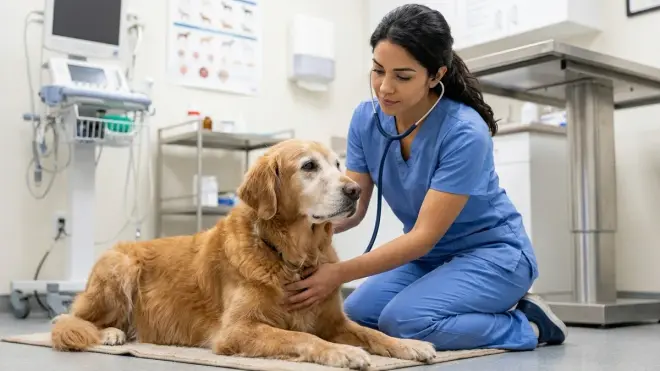
Senior dogs should have veterinary examinations every six months (twice yearly) rather than the annual schedule used for healthy adults. These biannual visits allow veterinarians to track subtle changes in bloodwork values, blood pressure, and physical examination findings that might indicate emerging health issues like kidney disease, diabetes, thyroid disorders, or heart disease. Some dogs with chronic conditions like arthritis, diabetes, or cognitive decline may need quarterly visits or more frequent check-ins for medication adjustments. The increased frequency isn't about spending more money unnecessarily—it's about catching problems when they're still manageable rather than waiting for crisis situations.
What are the most important supplements for senior dogs?
The most important supplements for senior dogs are joint support compounds (glucosamine, chondroitin, and MSM at therapeutic doses based on body weight), omega-3 fatty acids from fish oil (50-100 mg combined EPA/DHA per pound daily for anti-inflammatory and cognitive benefits), and sometimes probiotics for digestive health and nutrient absorption. Some senior dogs also benefit from cognitive support supplements containing medium-chain triglycerides and phosphatidylserine, particularly if they show early signs of confusion or altered sleep patterns. However, no supplement is universally necessary—your dog's specific needs depend on their health status, existing conditions, and diet quality. Always discuss supplements with your veterinarian before starting them, as some can interact with medications or aren't appropriate for certain health conditions.
Can senior dogs still exercise, and how much is appropriate?
Senior dogs absolutely should continue exercising, but the type, intensity, and duration need adjustment based on their mobility and stamina. Most senior dogs thrive on two or three shorter walks (15-20 minutes each) rather than one long outing, allowing rest between exercise sessions to prevent joint pain and fatigue. Low-impact activities like swimming, gentle leash walks on soft surfaces, and controlled indoor movement are ideal, while high-impact activities like jumping for frisbees, rough play with younger dogs, or long hikes should be reduced or eliminated. The goal is maintaining muscle mass that supports weakened joints and providing mental stimulation through environmental exploration, while preventing the next-day soreness and stiffness that comes from overdoing it. Watch your dog's body language—if they're stiff or reluctant the day after exercise, you've done too much.
How do I know if my senior dog is in pain?
Senior dogs often hide pain instinctively, so you need to watch for subtle behavioral changes including reluctance to jump on furniture, climb stairs, or rise from lying down, altered gait (limping, bunny-hopping, shortened stride), reduced activity or playfulness compared to previous patterns, changes in appetite or interest in favorite treats, irritability or aggression when touched in certain areas, excessive panting or restlessness especially at night, and postural changes like a hunched back or tucked abdomen. Senior dogs with chronic pain may also sleep more but appear uncomfortable, shift positions frequently, or avoid activities they previously enjoyed. If you notice any combination of these signs, consult your veterinarian—pain management options have expanded dramatically in recent years, and no dog should live with untreated discomfort during their golden years.
Living Their Best Senior Years
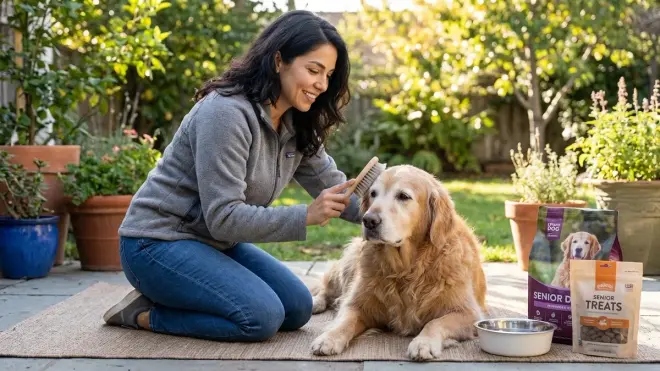
Your senior dog isn't broken—they're experienced. Those gray whiskers and slower mornings represent years of loyalty, companionship, and unconditional love. Senior dog care isn't about fighting the inevitable aging process. It's about adaptation: softer beds for achier joints, shorter walks that still provide joy, regular vet visits that catch problems early, and the quiet dignity of letting your dog age comfortably in the home they've always known.
The practical stuff—the orthopedic beds, the joint supplements, the ramps—matters tremendously. But so does the attention you pay to those subtle shifts: the moment they start hesitating before stairs, the night they seem confused about which door leads outside, the morning they don't bound to greet you. Senior dog care means seeing your dog clearly, accepting what's changing, and responding with intention rather than denial.
My guinea pig Mocha taught me that aging doesn't mean declining—it means transforming. She explored her space differently at seven than she did at two, but her enthusiasm for fresh cilantro never wavered. Your senior dog deserves that same respect: adaptations that honor their changing needs while celebrating what remains unchanged—that spark of personality that made you fall in love in the first place.