
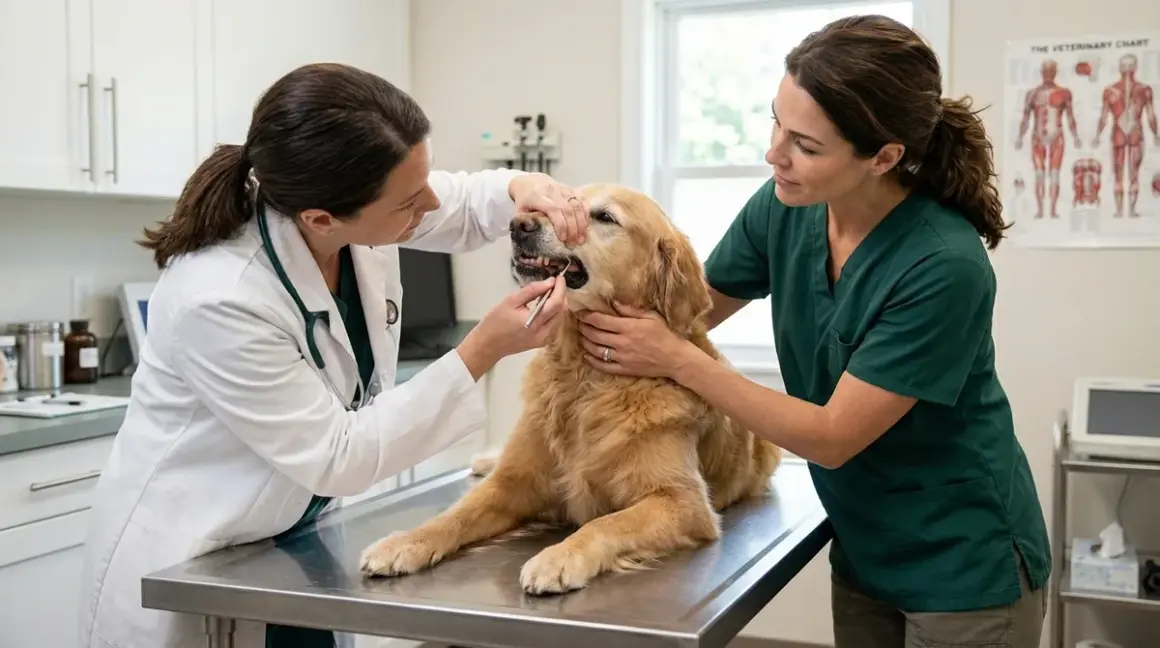

I've been grooming dogs for nearly a decade now, and one thing I notice more than almost anything else on my table is dental issues in older dogs. The smell hits you first—that sharp, sour odor that tells you something's going on in there before you even lift a lip. Senior dog dental care isn't just about fresh breath, though. It's about pain management, quality of life, and catching problems before they spiral into systemic health issues. My own shepherd mix, Copper, is eleven now, and his dental routine has become as non-negotiable as his arthritis medication. Let me walk you through what actually happens in an aging dog's mouth and how to stay ahead of it.
What Is Senior Dog Dental Care?
Senior dog dental care refers to the preventive maintenance, monitoring, and treatment protocols specifically designed for dogs typically seven years and older—though giant breeds like Great Danes or Mastiffs may enter "senior" status as early as five or six years old, while small breeds like Chihuahuas might not show significant aging signs until nine or ten. The approach differs from routine dental care in younger dogs because aging brings cumulative damage, weakened immune responses, and often concurrent health conditions that complicate both disease progression and treatment options.
At its core, senior dog dental care addresses the reality that periodontal disease—infection and inflammation of the gums and supporting structures—affects an estimated 80% of dogs over three years old according to the American Veterinary Dental College, and that percentage climbs even higher in geriatric populations. But it also encompasses age-related changes like worn enamel, fractured teeth from years of chewing, root exposure, and the tricky balance of maintaining oral health in dogs who may have heart murmurs, kidney disease, or other conditions that make anesthesia riskier.
I think of senior dog dental care as a three-legged stool: daily at-home prevention, regular professional monitoring, and timely intervention when problems surface. Miss one leg and the whole thing tips over. You can't brush away an abscess that's already formed, but you also can't rely solely on annual vet cleanings if you're never opening your dog's mouth at home.
How Senior Dog Dental Problems Develop
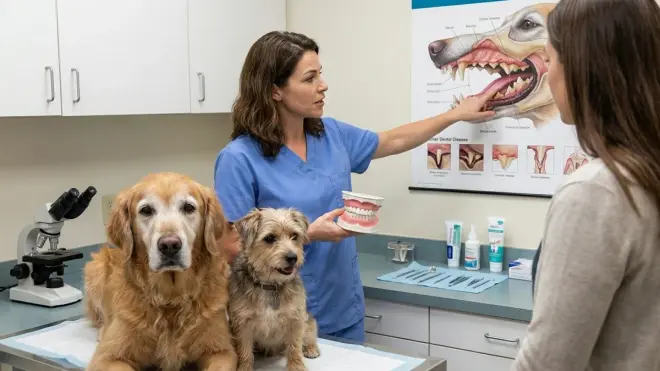
The process starts innocuously enough. Every time your dog eats, bacteria in the mouth combine with food particles and saliva to form a sticky film called plaque. Within 24 to 48 hours, if that plaque isn't physically removed through brushing or chewing, it mineralizes into tartar (also called calculus)—that hard, yellow-brown crust you see along the gumline. Tartar is porous, creating a perfect landing pad for more bacteria, and it irritates the gums, causing gingivitis: redness, swelling, and bleeding.
In a younger dog with a strong immune system, this process moves slowly. The body fights back. But in senior dogs, immune function naturally declines. Their bodies don't mount the same defensive response, so inflammation progresses faster. The gums start to pull away from the teeth, creating periodontal pockets—spaces between tooth and gum where bacteria thrive in an oxygen-poor environment. These pockets deepen, the infection spreads to the ligaments and bone holding the teeth in place, and eventually you're looking at tooth loss, abscesses, or bacteria entering the bloodstream and potentially seeding infections in the heart, liver, or kidneys.
Here's what makes it especially tricky in older dogs: they're masters at hiding pain. My terrier mix, Biscuit, had a fractured carnassial tooth—a big chewing tooth in the back—and I didn't catch it for weeks because she kept eating normally. She just favored the other side of her mouth. Dogs are survival-wired to mask dental pain, so by the time they're pawing at their face or dropping food, the problem is usually advanced.
Aging also brings mechanical wear. After years of gnawing on bones, chewing tennis balls (the felt acts like sandpaper, by the way), or even just the friction of normal chewing, enamel wears thin. Exposed dentin—the layer under the enamel—is softer and more vulnerable to decay. Some senior dogs develop resorptive lesions, where the tooth structure actually breaks down from the inside, similar to cavities in humans but with a different mechanism. These are painful and often require extraction.
The cumulative nature is what catches people off guard. A five-year-old dog with mild tartar might go another three years without serious consequences. But once a dog hits nine or ten with untreated buildup, the timeline compresses. Infections flare faster, bone loss accelerates, and suddenly you're facing a dental emergency rather than a routine cleaning.
Why Senior Dog Dental Care Matters for Overall Health
When I'm talking to clients about their older dogs, I always connect dental health to senior dog health checklist priorities because the mouth is not an isolated system. Bacteremia—bacteria circulating in the bloodstream from infected gums—has been linked to increased risk of heart valve damage, particularly in dogs with pre-existing heart conditions. One study in veterinary cardiology found that dogs with severe periodontal disease had more than twice the incidence of heart valve changes compared to dogs with healthy mouths.
The kidneys are vulnerable, too. Senior dogs already face declining kidney function as a normal part of aging, and chronic oral infections add an extra toxic load. The liver has to process bacterial endotoxins coming from the mouth, and in an older dog with compromised liver function, that can tip the balance toward hepatic stress.
But let's talk about quality of life, because that's what I see most directly on my grooming table. A dog with painful teeth is a dog who's not fully present. They're quieter, less playful, irritable when you touch their face. Copper used to love playing tug-of-war with a rope toy; when his dental disease progressed before we got it under control, he stopped engaging entirely. After his cleaning and two extractions, he picked that rope back up within a week. It was like watching him wake up.
Senior dogs with dental pain often show behavioral changes that owners mistake for "just getting old." They might become snappish during grooming—I've had sweet dogs turn defensive when I brush near their muzzle because even light pressure hurts. They eat slower, drop kibble, or switch to eating only on one side. Some lose weight because eating is uncomfortable, which compounds other age-related health issues. When we address the dental pain, we often see improvements in cognitive decline in senior dogs symptoms too, simply because the dog isn't living in constant low-grade discomfort anymore.
Types of Senior Dog Dental Problems
Periodontal Disease (Stages 1-4)
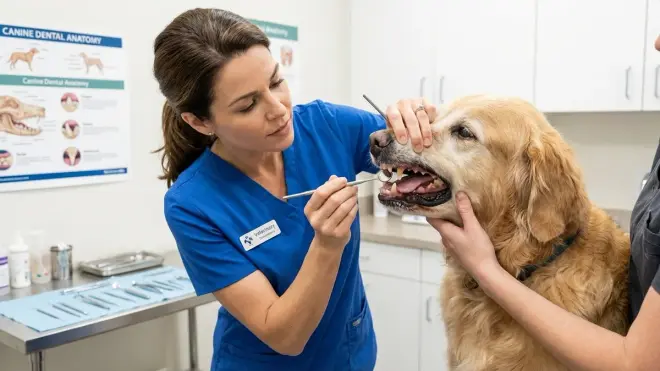
This is the big one. Stage 1 is gingivitis—reversible inflammation with no bone loss yet. Stage 2 involves early periodontal pockets (less than 25% bone loss). Stage 3 shows moderate to severe pockets with 25-50% bone loss. Stage 4 is advanced disease: deep pockets, more than 50% bone loss, loose teeth, and often abscesses or fistulas (abnormal openings where pus drains). Most senior dogs I see are somewhere between stages 2 and 3.
Fractured and Worn Teeth
Senior dogs accumulate damage. Slab fractures—where a chunk of the tooth breaks off—are common in heavy chewers. Attrition wear from years of grinding can expose the pulp chamber, leading to infection. Some dogs have worn their teeth nearly flat.
Root Abscesses
These often develop silently beneath the gumline and present as facial swelling, discharge from the nose (if it's an upper tooth), or a sudden reluctance to eat. The Virbac C.E.T. Enzymatic Toothpaste for Dogs might help prevent early-stage disease, but once an abscess forms, you need veterinary intervention—typically extraction.
Oral Tumors
While not strictly a dental problem, senior dogs have increased risk for oral cancers like melanoma, squamous cell carcinoma, or fibrosarcoma. These can present as growths on the gums, bleeding masses, or loose teeth without obvious periodontal disease. Any unexplained oral mass warrants immediate veterinary examination.
Tooth Resorption
More common in cats but definitely seen in older dogs, these lesions cause the tooth to break down from within. They're painful and usually require extraction since the tooth structure is compromised.
Implementing an Effective Senior Dog Dental Care Routine
Daily At-Home Care
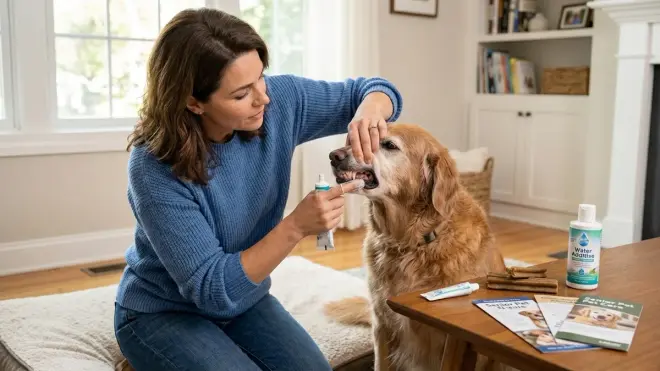
Brushing is non-negotiable. I know that sounds harsh, but it's the single most effective prevention tool. Use a soft-bristled pet toothbrush or a finger brush and enzymatic toothpaste formulated for dogs (never human toothpaste—the fluoride and xylitol are toxic). The Virbac C.E.T. Dual Ended Toothbrush works well because you can choose the brush head size based on your dog's mouth.
Start by just lifting the lip and touching the gums if your dog isn't used to it. Work up to brushing the outside surfaces of the teeth in a small circular motion, focusing on the gumline where plaque accumulates. The inside surfaces get some natural cleaning from the tongue, so prioritize the cheek side. Aim for daily brushing—every 24-48 hours maximum—to prevent plaque from hardening into tartar.
With Copper, I brush his teeth while he's relaxed after dinner. I sit on the floor with him, keep sessions under two minutes, and follow with something he enjoys. It's become part of our evening routine, and honestly, the consistency matters more than perfection.
Dental Chews and Additives
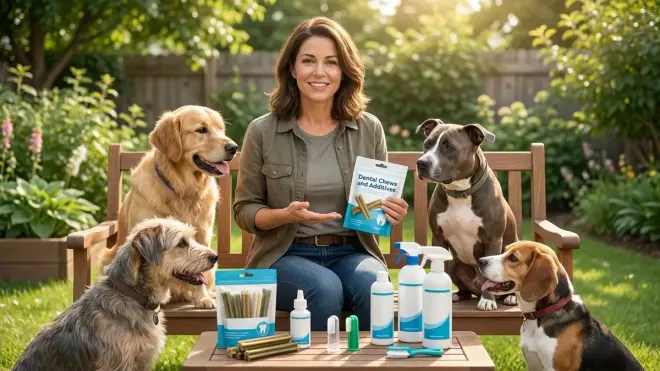
I'm cautious about recommending dental chews as a replacement for brushing, but they can supplement your routine. Look for products with the Veterinary Oral Health Council (VOHC) seal, which means they've been tested for plaque and tartar reduction. Avoid overly hard chews in senior dogs—things like cow hooves, antlers, or even ice cubes can fracture already-weakened teeth. My rule: if I can't dent it with my thumbnail, it's too hard for an older dog's teeth.
Water additives and dental diets formulated with larger kibble size and specific textures can help, but they're supplementary. Think of them as the flossing to brushing's main event.
Professional Cleanings
Senior dogs need professional dental cleanings under anesthesia, typically annually or more frequently if periodontal disease is present. I know the anesthesia conversation is scary—I was terrified when Copper needed his first senior cleaning at age nine because he has a heart murmur. But modern anesthetic protocols, pre-operative bloodwork, and monitoring have made the procedure much safer.
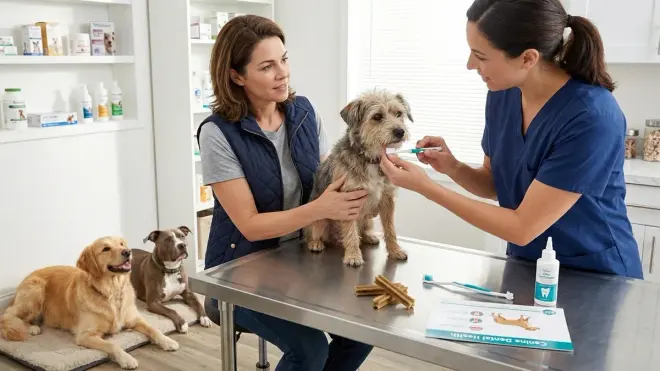
During a cleaning, the vet removes tartar above and below the gumline (the below part is crucial—that's where disease progresses), probes for pockets, takes dental radiographs to assess bone loss and root health, and polishes the teeth. If teeth need extraction, they handle it then. Recovery for older dogs is usually smooth; Copper was groggy for a day and then noticeably more comfortable.
Monitoring at Home
Once a week, do a quick mouth check. Lift your dog's lips and look for:
- Red or bleeding gums
- Visible tartar buildup (yellow-brown crust)
- Loose or broken teeth
- Swelling on the face or under the jaw
- Bad breath that's worsening
- Reluctance to chew or pawing at the mouth
Early detection matters. The difference between a routine cleaning and multiple extractions plus antibiotics is often just a few months of unnoticed progression.
Nutritional Considerations
Senior dogs with dental pain might need diet modifications. Softer foods can make eating more comfortable, though they don't provide the mechanical cleaning action of dry kibble. If you're adjusting your dog's diet significantly, check out guidance on how to choose dog food that balances dental health with other senior nutritional needs, particularly if your dog requires weight management or has concurrent conditions like kidney disease. Some owners find success with best senior dog food formulas that are designed with age-appropriate caloric density and joint-supporting ingredients, making them easier to chew while still supporting overall health.
Integration with Overall Senior Dog Care
Senior dog dental care doesn't exist in isolation—it's one piece of a broader care picture that includes senior dog supplement checklist items like glucosamine for joints, omega-3s for inflammation, and cognitive support supplements. When you're establishing your dog's dental routine, think about how it fits into the daily rhythm that also includes exercise for elderly dogs and monitoring for senior dog mobility issues.
I've found that bundling care tasks helps with consistency. Copper gets his joint supplement with breakfast, we do our short morning walk, and teeth brushing happens after dinner alongside his other evening medications. The routine becomes a comfort rather than a disruption, and you're more likely to catch early signs of problems—dental or otherwise—when you're engaging with your dog's care daily.
For dogs who are already managing pain or mobility challenges, positioning during tooth brushing matters. I sit on the floor with Copper rather than making him stand, and I keep sessions brief. If your dog has significant cognitive decline, maintaining the same time and place for dental care can help reduce confusion.
Working with Your Veterinarian
Your vet is your partner in this, especially as dogs age. Annual wellness exams should always include a thorough oral examination, but don't wait until the scheduled visit if you notice changes. I've learned to take photos of anything concerning in Copper's mouth and text them to our vet; sometimes it's nothing, but twice we've caught problems early that way.
Pre-anesthetic bloodwork becomes more important in senior dogs. It screens for kidney and liver function, checks blood cell counts, and helps the vet tailor the anesthetic protocol to your dog's specific health status. If your dog has heart disease, the vet might consult with a cardiologist before proceeding. These precautions are why professional cleanings are safer now than they were even a decade ago.
If extractions are recommended, don't panic. Dogs adapt remarkably well, even to multiple tooth removals. I've groomed dogs with only a handful of teeth left who eat, play, and live comfortably. The tongue adjusts, the remaining teeth compensate, and the relief from chronic pain is immediate. Copper had two molars extracted during his cleaning, and within days he was chewing toys he'd ignored for months.
Cost and Planning Considerations
I won't sugarcoat it: senior dog dental care can be expensive. A professional cleaning under anesthesia typically runs anywhere from $300 to over $1,000 depending on your location, the extent of disease, and whether extractions or other procedures are needed. Radiographs, bloodwork, and medications add to the total.
But the alternative—untreated dental disease—often costs more in the long run, both financially and in terms of your dog's quality of life. Advanced infections can require hospitalization, IV antibiotics, and emergency procedures. One of my clients delayed her dog's recommended cleaning for financial reasons; six months later, the dog developed a jaw fracture from bone loss due to untreated periodontal disease, and the emergency surgery cost three times what the preventive cleaning would have.
Pet insurance that covers dental care (typically only when it's medically necessary, not preventive) can help. Some veterinary practices offer payment plans or work with third-party financing like CareCredit. If cost is prohibitive, ask your vet about community clinics or veterinary schools that may offer lower-cost services.
Investing in daily at-home care—a toothbrush and enzymatic toothpaste run around $15-20 and last months—is the best value proposition. It extends the time between professional cleanings and reduces the severity of disease when cleanings are needed.
Frequently Asked Questions
How often should I brush my senior dog's teeth?
You should brush your senior dog's teeth daily, or at minimum every other day, to prevent plaque from mineralizing into tartar, which happens within 24 to 48 hours and requires professional removal once hardened. Daily brushing is especially critical for older dogs because their declining immune systems make them more susceptible to rapid progression of periodontal disease.
Is anesthesia safe for my 10-year-old dog's dental cleaning?
Anesthesia carries more risk in senior dogs than young adults, but modern protocols with pre-anesthetic bloodwork, intravenous fluids, monitoring equipment, and tailored drug selection have made it significantly safer—most veterinarians consider the risk of untreated dental disease (chronic pain, organ damage from bacterial spread, quality-of-life decline) to outweigh the anesthetic risk in otherwise stable senior dogs. Your vet will assess your dog's specific health status, including heart and kidney function, to determine if your dog is a good candidate and may recommend additional precautions like cardiac consultation if your dog has a murmur or other concerns.
What can I do if my senior dog won't let me brush their teeth?
Start with desensitization: let your dog lick enzymatic toothpaste off your finger as a treat for several days, then progress to touching their gums with your finger, then introducing a finger brush or soft toothbrush without actually brushing, rewarding heavily at each step, and only moving forward when they're comfortable—this process might take weeks, but rushing creates a negative association that makes future attempts harder. If your dog has existing dental pain causing the resistance, address that with your vet first through professional cleaning or pain management, because asking a dog to tolerate mouth handling when they're hurting isn't fair and won't succeed.
Can senior dogs eat dental chews safely, or are they too hard?
Senior dogs can safely eat dental chews if you choose products that are softer and appropriately sized—look for the VOHC (Veterinary Oral Health Council) seal and avoid extremely hard chews like antlers, hooves, or nylon bones that can fracture weakened teeth. A good test is whether you can dent the chew with your thumbnail; if it's harder than that, it's too risky for an older dog with potentially compromised tooth enamel.
How do I know if my senior dog has dental pain if they're still eating normally?
Dogs instinctively hide pain and will often continue eating even with significant dental disease by favoring one side of their mouth, swallowing kibble whole, or eating more slowly—watch for subtle signs like dropping food, reluctance to chew toys they previously enjoyed, pawing at their face, increased irritability when their muzzle is touched, worsening breath odor, or behavioral changes like decreased playfulness. If you notice any of these indicators, or if you see visible tartar, red gums, or loose teeth during your weekly mouth checks, schedule a veterinary examination rather than waiting for your dog to stop eating, which typically only happens when pain is severe.
Are there alternatives to professional cleaning for senior dogs who can't undergo anesthesia?
For dogs who truly cannot safely undergo anesthesia due to severe heart failure, advanced kidney disease, or other life-limiting conditions, anesthesia-free dental scaling (sometimes called "dental cosmetics") can remove visible tartar above the gumline, but it does not address subgingival plaque and tartar below the gumline where periodontal disease actually progresses, cannot include probing of pockets or dental radiographs to assess disease extent, and often creates a false sense of security while the underlying infection continues. In these cases, focus on maximizing daily at-home care—diligent brushing, dental diets, water additives, and pain management if needed—while discussing quality-of-life considerations with your veterinarian, because untreated advanced dental disease causes chronic pain that may warrant difficult end-of-life conversations if intervention isn't possible.
Final Thoughts From the Grooming Table
Every time I work with a senior dog on my table—trimming their face, cleaning around their eyes, checking their mouth while I'm brushing out mats—I'm reminded that these routines matter beyond aesthetics. Copper's eleven now, moving a little slower, sleeping a little more. But his mouth is healthy, and I know that's buying him comfort and time.
Senior dog dental care isn't complicated, but it requires consistency and attention. The daily brushing, the willingness to look in your dog's mouth even when you don't really want to see what's there, the decision to invest in that professional cleaning even though the anesthesia scares you—those are the acts of care that stretch out the good years. Your senior dog has given you everything; keeping their mouth healthy is one concrete way to give something back. And honestly, after you've done it a while, it just becomes part of loving them—like adjusting their exercise or making their bed a little softer. It's what you do.