
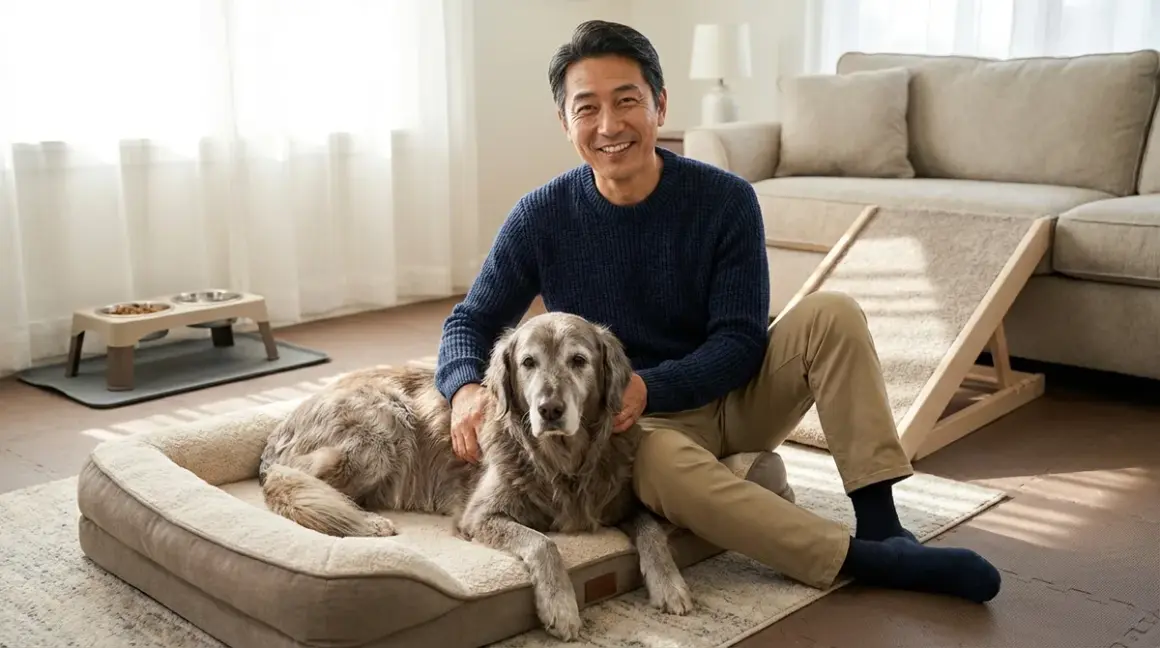

I'll be honest—I'm an aquarium guy first and foremost, but I've spent the last six years watching my neighbor's golden retriever, Max, transition from a bouncing ball of energy to a distinguished senior who moves with the deliberation of someone who's earned his gray muzzle. What I've learned through countless conversations over the fence and helping adapt his living space is that addressing senior dog comfort needs isn't about one big change—it's about dozens of small, thoughtful adjustments that add up to a home where your aging dog can navigate safely, rest comfortably, and maintain dignity as their body changes. This checklist walks through the essential modifications room by room, covering flooring, feeding stations, sleeping areas, and accessibility improvements that make daily life easier for dogs typically seven years or older (for large breeds) or ten-plus for smaller dogs. If you're noticing your dog slowing down, hesitating on stairs, or struggling to stand after naps, these changes can genuinely transform their quality of life.
Flooring and Traction Improvements
In my experience watching Max navigate his home, the single biggest hazard for senior dogs is slippery flooring—hardwood, tile, and laminate become skating rinks when arthritis robs them of sure footing, and the fear of falling can make dogs reluctant to move at all, which accelerates muscle loss.
Non-slip yoga mats or runner rugs in high-traffic pathways: Place these along routes your dog travels frequently (kitchen to back door, bedroom to living room) to create predictable traction zones; look for rubber-backed mats that won't slide themselves and can be thrown in the washing machine when accidents happen.
Paw grip socks with rubberized treads: The Dr. Buzby's ToeGrips Dog Nail Grips fit over trimmed nails to provide traction on smooth surfaces; they're especially helpful for dogs with arthritis or neurological issues affecting coordination, though some dogs need a few days to adjust to the sensation.
Area rugs with low pile height: High-pile carpets can catch arthritic paws and increase trip risk—choose flat-weave or low-pile options with non-slip backing that provide cushioning without the catch factor.
Grip tape strips on smooth stairs: Apply skateboard-style grip tape to the center of each tread for traction without changing the look of your staircase; space strips about 2-3 inches apart to accommodate paw spread.
Removable vinyl flooring tiles over existing surfaces: If you're dealing with large slippery areas, interlocking foam tiles with textured surfaces (originally designed for gym floors) can cover entire rooms temporarily and are easier on aging joints than hard surfaces.
Carpet stair treads with Velcro backing: Individual treads for each step provide traction where falls are most dangerous and can be removed when guests visit; choose machine-washable options since senior dogs sometimes have accidents.
Booties for outdoor traction on ice or smooth surfaces: While not every dog tolerates them, waterproof booties with aggressive tread patterns help on winter walks or smooth decking—size them properly so they don't slip off but don't constrict circulation.
Regular nail trimming to restore natural grip: Overgrown nails force dogs to walk on the smooth pad surface rather than gripping with nails; monthly trimming (or weekly grinding) keeps natural traction intact and reduces joint strain from altered gait.
Feeding and Hydration Station Modifications
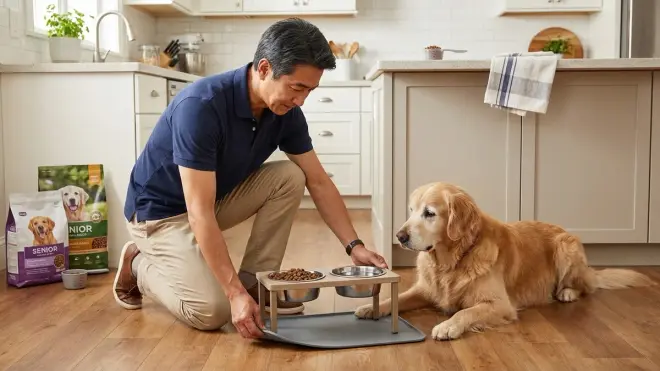
Max used to bury his face in a bowl on the floor without a second thought, but by age ten, bending down to eat triggered visible neck and shoulder discomfort—something I recognized from the way he'd stretch afterward, exactly like I do after hunching over a tank for maintenance work.
Elevated feeding platforms at chest height: Raised bowls reduce neck and spine flexion during meals; measure from floor to your dog's chest (bottom of rib cage) when standing—that's your platform height, typically 8-12 inches for medium dogs, 12-18 inches for large breeds.
Wide, shallow bowls for easier access: Deep narrow bowls force dogs to crane their necks downward; switch to bowls at least 2-3 inches wider than your dog's snout for comfortable access without strain.
Non-skid bowl mats or weighted bases: Bowls that slide across the floor frustrate dogs with reduced coordination; rubber-backed mats or weighted ceramic bowls stay put while they eat, reducing stress and messy spills.
Multiple water stations throughout the home: Place fresh water bowls on every floor and near favorite resting spots so dogs with mobility limitations don't have to trek far when thirsty—this is especially critical if you're managing senior dog health conditions that increase water needs.
Slow-feed inserts for dogs who gulp: Some seniors develop digestive sensitivity and benefit from eating slower; silicone slow-feed mats placed inside regular bowls work well, though they can be harder to clean thoroughly than standard bowls.
Automatic water fountains with low drinking basin: Flowing water encourages drinking (important for kidney health in aging dogs), and fountains with wide, shallow catch basins are easier to drink from than traditional bowls—look for models with replaceable charcoal filters to maintain freshness.
Feeding schedule adjustments for smaller, frequent meals: Senior digestion often handles 2-3 smaller meals better than one or two large ones; an automatic dog feeder can portion out meals consistently if your schedule makes frequent feeding difficult.
Sleeping and Rest Area Upgrades
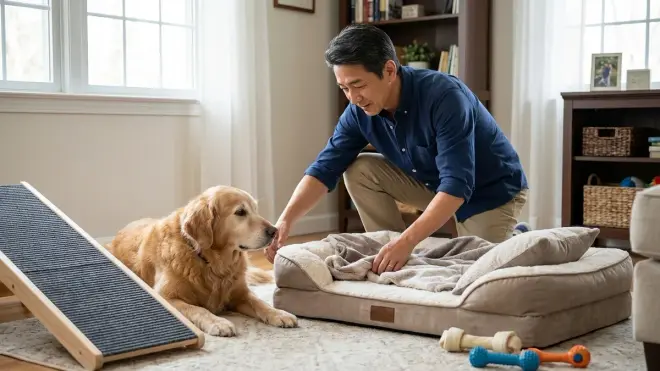
Here's what I've found works through observation rather than any formal training: senior dog comfort needs around sleep are less about luxury and more about genuine pain management, because dogs with arthritis or hip dysplasia can spend 14-18 hours a day lying down, and a poor sleeping surface compounds joint inflammation rather than relieving it.
Orthopedic memory foam beds at least 4 inches thick: Thin beds bottom out under a dog's weight, offering no pressure relief; quality orthopedic beds use multi-layer foam (memory foam top, support foam base) to distribute weight evenly—look for covers with waterproof liners since senior dogs may have occasional incontinence.
Heated pet beds or microwaveable heat discs: Therapeutic warmth increases blood flow to stiff joints and provides genuine pain relief; electric heated beds maintain consistent low-level warmth (around 100°F), while microwaveable discs provide 3-4 hours of heat and work well for dogs who sleep in multiple locations.
Low-entry beds or floor-level options: Raised beds with tall sides force painful climbing; choose designs with at least one dropped entrance edge or stick with flat mattress-style beds that dogs can walk directly onto without lifting legs high.
Multiple rest stations in frequented rooms: Dogs naturally seek family companionship but may not follow you room-to-room if moving hurts; placing comfortable beds in the living room, bedroom, and home office means they can rest near you without constant relocation.
Bolster-edge beds for head and neck support: Many seniors appreciate a slightly elevated edge to rest their head, which can reduce neck strain and help with conditions like laryngeal paralysis that make breathing easier with the head elevated.
Washable, replaceable bed covers: Accidents happen, arthritis medications can cause digestive upset, and cognitive decline affects house training—beds with removable, machine-washable covers (preferably two so you always have a clean one) maintain hygiene without constant bed replacement.
Non-slip rug underneath the bed: Even the bed itself can slide on smooth flooring when a dog pushes against it while standing; a rubber mat under the bed keeps it stationary and provides traction for getting up and down.
Mobility and Accessibility Solutions
The physics of getting a 70-pound dog with bad hips up a flight of stairs aren't that different from moving a heavy aquarium—you need leverage, proper support points, and sometimes mechanical advantage, and trying to muscle through without the right tools risks injury to both of you.
Carpeted or rubber-tread ramps for stairs and vehicles: A gradual incline (no steeper than 18-20 degrees) lets dogs walk up rather than jump or climb; measure the height you're covering and multiply by 4-5 to get minimum ramp length—so a 24-inch truck bed height needs a 96-120 inch ramp for safe incline.
Pet stairs with wide, deep treads: If space won't accommodate a full ramp, stairs with 8-10 inch deep treads and 4-6 inch rise per step are easier than standard human stairs; place them beside beds or furniture your dog still enjoys accessing.
Rear-end support harnesses with handles: For dogs with hip dysplasia or mobility issues, lifting harnesses that support the hindquarters let you assist with stairs or standing without straining your back—look for padded designs that don't choke or restrict movement.
Baby gates to block off hazardous areas: Steep basement stairs, rooms with dangerous obstacles, or areas where your dog gets disoriented at night should be gated off; choose pressure-mounted gates that don't require installation for rental-friendly modifications.
Nightlights in hallways and key rooms: Vision declines with age, and many seniors experience confusion or anxiety in darkness; motion-activated LED nightlights help dogs navigate safely during nighttime bathroom trips.
Textured pathway markers for dogs with vision loss: If your dog is going blind, maintaining consistent furniture layout and using textured mats to mark "safe paths" helps them build mental maps—avoid rearranging rooms once they've learned the layout.
Ramps or steps with side rails for added security: Some dogs feel insecure on open ramps; adding low side rails (even just pool noodles zip-tied to the edges) provides visual boundaries that increase confidence.
Door ramp threshold wedges: The 1-2 inch rise at door thresholds becomes a genuine obstacle with arthritis; rubber threshold ramps smooth the transition between rooms or from inside to outdoor spaces.
Bathroom and Elimination Accommodations
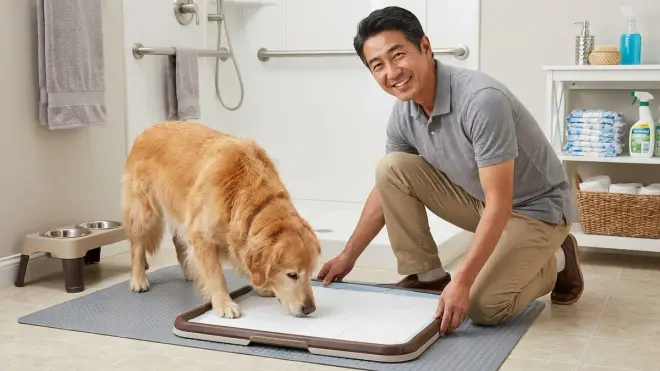
I'll share something Max's owner told me that stuck with me: the worst part of senior dog care isn't the physical modifications—it's watching your dog's visible shame when they have an accident, because they spent years learning that inside elimination is wrong, and cognitive decline or physical limitations rob them of the control they once had.
Closer access to outdoor elimination areas: If your yard is large, consider creating a closer designated potty spot so your dog doesn't have to navigate stairs and trek 50 feet multiple times daily—a small gravel or mulch area near the door works well.
Indoor potty options for limited mobility: Washable pee pads, artificial grass patches on trays, or even a small mulched area in a covered porch can be lifesavers for dogs who can't signal fast enough or navigate stairs during urgent needs.
Doggy door installation at ground level: If your dog can still move independently but struggles with stairs to a deck, a ground-level door to a fenced area maintains their autonomy for bathroom breaks—choose doors with clear flaps so dogs with vision issues can see through.
Frequent bathroom break schedule adjustments: Reduced bladder and bowel control means more frequent trips—every 3-4 hours during the day rather than 2-3 longer intervals, and potentially once overnight.
Waterproof mattress protectors and furniture covers: Accidents on beds and couches happen; waterproof covers (the kind that fully encase like a fitted sheet) protect expensive items while maintaining your dog's access to comfortable resting spots.
Enzymatic cleaners for thorough odor removal: Standard cleaners don't break down urine proteins; enzymatic formulas eliminate odors that might trigger repeated accidents in the same spot—Nature's Miracle and Rocco & Roxie are two reliable options I've heard recommended consistently.
Belly bands or dog diapers for incontinence: Male dogs can wear wrap-style belly bands with absorbent pads; both sexes can use full diapers for more complete protection—measure your dog's waist carefully since poor fit causes leaks and chafing.
Climate Control and Temperature Regulation
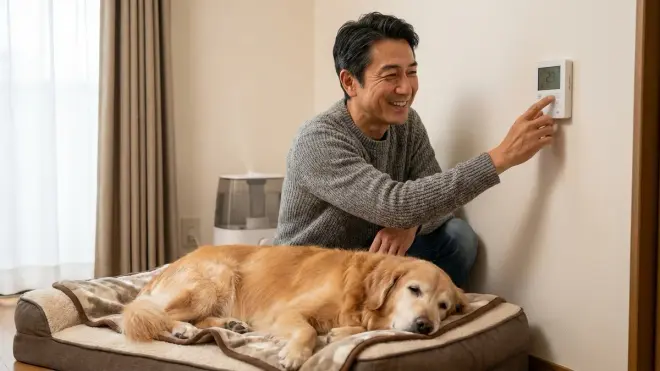
Senior dogs lose some ability to regulate body temperature—I've noticed Max seeking out sunny spots on cold mornings but then panting excessively if he stays too long, like his internal thermostat is slightly off-calibration.
Heated beds or warming pads for cold weather: Arthritis pain intensifies in cold; heated beds maintain therapeutic warmth without the fire risk of space heaters—choose models with chew-resistant cords and automatic shutoff features.
Cooling mats for summer heat management: Pressure-activated gel mats stay 5-10 degrees cooler than ambient temperature without electricity; they're particularly valuable for breeds prone to overheating or dogs with heart conditions that reduce heat tolerance.
Strategic bed placement away from drafts and HVAC vents: Direct airflow creates temperature fluctuations that stress aging bodies; place beds against interior walls away from windows, doors, and air vents.
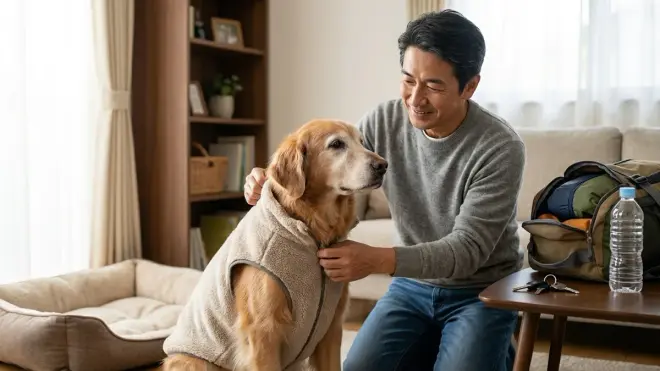
Sweaters or coats for cold-weather bathroom breaks: Short-haired or lean senior dogs lose body heat quickly; fleece or insulated coats for outdoor time reduce stress on their temperature regulation systems and keep arthritic joints warmer.
Increased air conditioning in summer: What was comfortable at age three may be too warm at age twelve; maintaining house temperature around 68-72°F helps seniors with reduced heat tolerance, especially important for brachycephalic breeds.
Breathable, moisture-wicking bedding materials: Some heated beds trap moisture and create hot spots; look for covers with moisture-wicking properties that keep dogs comfortable whether they're warm or cool.
Safety and Navigation Enhancements
The thing about aging is that it sneaks up gradually, and what I've observed with Max is that his spatial awareness has changed—he misjudges distances slightly, bumps into doorframes occasionally, and startles more easily when approached from his blind side.
Corner guards and edge padding on furniture: Foam corner protectors (sold for childproofing) prevent injury if dogs with vision problems or ataxia bump into coffee tables or sharp furniture edges.
Contrasting colored tape on glass doors: Sliding glass doors become invisible to dogs with cataracts or vision loss; placing colored tape or decals at nose height prevents painful collisions.
Consistent furniture layout: Once a blind or cognitively declining dog learns a room layout, moving furniture creates hazardous navigation obstacles—maintain consistency and only rearrange when absolutely necessary.
Secure fencing and exit barriers: Some dogs with cognitive dysfunction wander and become disoriented; check fence integrity regularly and consider self-closing gate springs to prevent accidental escapes.
Pool barriers or covers: Dogs with vision problems or cognitive issues can fall into pools; retractable safety covers, fencing, or alarmed pool safety systems prevent tragic drowning incidents.
Soft ambient sound to reduce startling: Dogs with hearing loss may startle when you approach unexpectedly; leaving a radio on low volume or using a white noise machine masks sudden sounds and creates calming background ambiance.
Final Check Before You Go
Before you start making changes, walk through your home from your dog's perspective—literally get down to their eye level and look for obstacles, slippery spots, and difficult transitions. Here's your quick-reference checklist to verify you've covered the essentials:
Flooring: ☐ Non-slip surfaces in pathways ☐ Traction on stairs ☐ Low-pile rugs with non-skid backing
Feeding: ☐ Elevated bowls at chest height ☐ Multiple water stations ☐ Non-slip bowl mats
Sleeping: ☐ 4+ inch orthopedic bed ☐ Low-entry design ☐ Washable covers ☐ Beds in multiple rooms
Mobility: ☐ Ramps or stairs for furniture/vehicles ☐ Support harness for assistance ☐ Hazard areas gated ☐ Nightlights installed
Bathroom: ☐ Closer outdoor access ☐ Indoor backup option ☐ Waterproof protectors ☐ Enzymatic cleaner on hand
Temperature: ☐ Heated bed for cold weather ☐ Cooling mat for summer ☐ Appropriate clothing for outdoor time
Safety: ☐ Padding on sharp corners ☐ Glass door markers ☐ Consistent room layouts ☐ Pool barriers if applicable
You won't implement everything at once—I certainly didn't help Max's owner do that—but having the full list lets you prioritize based on your specific dog's needs and add modifications as their condition changes, much like adjusting their exercise routines as they age.
Frequently Asked Questions
How much should I expect to spend on senior dog comfort modifications?
Basic senior dog comfort needs can be addressed for around $200-400 initially (orthopedic bed, elevated bowls, non-slip mats, ramp), with most items lasting 2-3 years before needing replacement, though costs increase significantly if you're installing permanent features like flooring or ramps, and dogs with severe mobility issues may need additional equipment like support harnesses or wheelchairs that run $100-300.
At what age should I start making home modifications for my senior dog?
Most dogs show early signs of aging around 7 years for large breeds and 10 years for small to medium breeds, but I've learned through observation that you should start making modifications when you notice behavioral changes—hesitation on stairs, difficulty standing after rest, reduced jumping onto furniture, or signs of mobility issues—rather than waiting for a specific age, since early intervention prevents injury and maintains quality of life longer.
Can these modifications help dogs with specific conditions like arthritis or dementia?
Yes, targeted modifications address specific senior conditions quite effectively—orthopedic beds and ramps reduce joint stress for arthritis sufferers, consistent layouts and nightlights help dogs experiencing cognitive decline, and multiple water stations and cooling mats support dogs with kidney disease or heart conditions, though you should work with your veterinarian to understand your dog's specific diagnosis and customize modifications accordingly for maximum benefit.
Final Thoughts
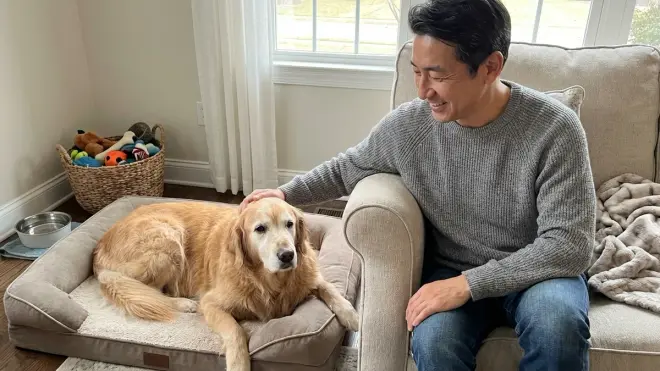
What I've come to understand through watching Max age—and through the parallel experience of maintaining long-term aquarium systems where small environmental factors compound over time—is that senior dog comfort needs aren't really about any single expensive purchase or dramatic renovation. They're about creating an environment where the cumulative effect of dozens of small adjustments removes barriers, reduces pain, and preserves dignity as your dog's body changes in ways they don't fully understand. The carpeted runner that prevents a fall, the elevated bowl that eliminates neck pain during meals, the nightlight that reduces confusion during 2 AM bathroom trips—these modifications might seem modest individually, but together they transform your home from an increasingly difficult obstacle course into a space where your senior dog can still move with confidence, rest comfortably, and maintain the independence that's central to canine wellbeing. Start with the modifications that address your dog's most obvious limitations, and remember that this is an evolving process, not a one-time project—their needs will change as they continue aging, and your home setup should adapt right along with them, just like you would for any family member who's earned that consideration through years of companionship.
For broader context on caring for aging dogs, the complete guide to senior dog care covers nutrition, veterinary care, and behavioral changes beyond home modifications. And if you're also managing specific health concerns, understanding senior dog supplement needs and proper dental care becomes increasingly important as dogs enter their later years—these physical home changes work best when combined with appropriate medical management and nutrition like food formulated for senior dogs. The American Veterinary Medical Association's guidelines on senior pet care provide additional context on age-related changes and when to consult professionals about your dog's changing needs.