


I'll be honest with you—I've spent years learning every tiny detail about guinea pig behavior, so when my neighbor asked me to help her understand what was happening with her aging retriever, I felt a bit out of my depth. But watching her dog pace at night, forgetting where his water bowl was, and staring blankly at familiar doors broke my heart the same way watching any beloved pet struggle would. Cognitive decline in senior dogs is heartbreaking, but recognizing the signs early and implementing management strategies can dramatically improve your dog's quality of life in their golden years.
This guide will walk you through identifying the behavioral changes that signal cognitive dysfunction, understanding what's happening in your dog's aging brain, and implementing practical management strategies that work in real-world homes. You'll learn the difference between normal aging and concerning decline, how to modify your environment for a confused senior, and when veterinary intervention becomes necessary. Expect to spend about 20-30 minutes reading through this guide, then ongoing daily adjustments as you implement these changes—think of it as a gradual shift in how you support your aging companion.
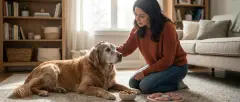
What You'll Need
- A symptom tracking journal or smartphone notes app to document behavior changes over time
- Baby gates or pet barriers to restrict access to stairs and hazardous areas
- Night lights (LED motion-sensor types work beautifully) for hallways and rooms your dog frequents
- Non-slip rugs or mats to create clear pathways through your home
- Puzzle toys appropriate for cognitive support (look for simple, confidence-building designs rather than frustrating advanced puzzles)
- Your dog's complete veterinary history including recent bloodwork results
- A written daily routine schedule posted somewhere visible to keep consistency across all household members
- White noise machine or calming music for anxiety management during confusion episodes
- Veterinary contact information including after-hours emergency numbers
Step 1: Learn to Recognize the DISHAAL Signs of Cognitive Dysfunction
The veterinary community uses the acronym DISHAAL to describe canine cognitive dysfunction syndrome (CDS), which affects an estimated 14-35% of dogs over age 8, according to veterinary behaviorists studying cognitive aging. Let me break this down in plain language, because the technical terms can feel overwhelming when you're already worried about your dog.
D stands for Disorientation. Your dog might get lost in familiar rooms, stand on the wrong side of doors waiting for them to open, or stare blankly at walls. I remember my neighbor describing how her retriever would walk into the closet and then just... stand there, as if he'd forgotten why he went in.
I is Interactions (changes in social behavior). Dogs with cognitive decline in senior dogs often stop greeting family members enthusiastically, seem less interested in petting, or fail to recognize familiar people. Some become clingy and anxious, while others withdraw completely.
S represents Sleep-wake cycle disturbances. Nighttime pacing, vocalization, and daytime lethariness are hallmark signs. Your dog might sleep all day then wander restlessly all night—it's exhausting for everyone.
H means House soiling. A previously house-trained dog might eliminate indoors, sometimes right after coming back from outside, because they've forgotten they just went.
A is Activity level changes. This includes both aimless wandering and decreased interest in previously enjoyed activities like fetch or walks. The wandering feels purposeless—not exploring, just... moving.
A stands for Anxiety. Increased fear of familiar things, separation anxiety, or generalized nervousness often accompany cognitive decline.
L represents Learning and memory deficits. Your dog might forget learned commands, fail to respond to their name, or seem unable to remember where their food bowl is located.
Document specific examples of these behaviors with dates and times. "Acting weird" won't help your veterinarian—but "stood in front of the pantry door for 15 minutes on Tuesday evening, then again Wednesday morning" gives them actionable information.
Step 2: Rule Out Medical Causes That Mimic Cognitive Decline

Before attributing behavior changes to cognitive decline in senior dogs, you absolutely must rule out physical health issues that can look identical. Senior dogs are prone to conditions that directly affect behavior, and treating the underlying problem can completely resolve what appears to be dementia.
Schedule a comprehensive senior dog health evaluation that includes complete bloodwork (checking kidney function, liver enzymes, thyroid levels, and blood glucose), urinalysis, blood pressure measurement, and a thorough physical examination. Pain from arthritis or joint issues causes behavior changes that perfectly mimic cognitive problems—a dog in pain might avoid the water bowl because walking hurts, not because they've forgotten where it is.
Hypothyroidism (low thyroid function) is incredibly common in aging dogs and causes lethargy, disorientation, and mental dullness. It's also easily treatable with daily medication. Diabetes can cause increased urination (leading to house soiling), confusion from blood sugar fluctuations, and vision changes that make dogs seem disoriented.
Hearing or vision loss makes dogs appear unresponsive to their names or confused about their environment—they're not cognitively impaired, they simply can't see or hear you. Brain tumors, infections, and kidney disease can all alter mental status. Even urinary tract infections in senior dogs can cause sudden house soiling that has nothing to do with cognitive function.
I know it feels like one more stressful vet visit when you're already worried, but this step is non-negotiable. You need baseline health data to understand what you're actually dealing with. Your veterinarian should reference the Senior Dog Health Checklist to ensure nothing gets missed during the examination.
Step 3: Establish Rigid Routines and Environmental Consistency
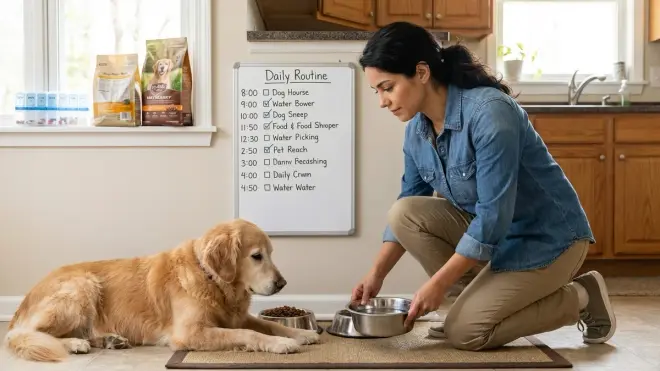
Dogs with cognitive dysfunction desperately need predictability because their ability to adapt to change has diminished. Think of it like creating a supportive framework that does the remembering for them. This isn't about being inflexible—it's about reducing the cognitive load your dog faces every single day.
Feed meals at exactly the same times daily, in the same location, using the same bowls. Take potty breaks on a strict schedule (every 2-3 hours for many senior dogs)—set phone alarms if needed. Walk the same routes at the same times. Keep furniture arrangements static; moving a couch can genuinely disorient a dog with memory issues.
Create clear, well-lit pathways through your home using those non-slip rugs I mentioned in the supplies list. Line them up to form visual "roads" from sleeping areas to water bowls, food stations, and doors. Use baby gates to block off stairs and rooms you don't want your dog accessing—they'll reduce anxiety by simplifying choices.
Establish bedtime routines that signal "time to settle." Dimming lights, playing the same calming music, and guiding your dog to their bed at the exact same time each night helps reset disrupted sleep-wake cycles. Some dogs respond beautifully to weighted anxiety wraps or calming supplements as part of this routine.
Post a written schedule where everyone in your household can see it. When your dog has had three walks, two meals, and four bathroom breaks all at different times depending on who's home, their confusion intensifies. Consistency across all caregivers matters enormously.
Step 4: Implement Cognitive Enrichment and Environmental Modifications
Here's where I get excited, because this mirrors what I do for my guinea pigs—environmental enrichment that's appropriate for their current cognitive abilities. The key phrase there is "appropriate." A frustrated dog isn't being enriched; they're being stressed.
Choose puzzle toys designed for beginners or cognitive support, not advanced problem-solvers. The KONG Classic stuffed with soft, easily-accessible treats provides gentle engagement without frustration. Snuffle mats where treats are hidden in fabric strips encourage natural foraging behaviors using scent (which typically remains strong even when other senses decline).
Short, positive training sessions using familiar commands help maintain neural pathways. Five minutes twice daily of simple "sit," "down," and "touch" exercises with high-value treats keeps your dog mentally engaged. Always end on success—cognitive decline in senior dogs means frustration tolerance is low.
Increase sensory enrichment through scent exposure. Take your dog to different locations (keep routes consistent, but destinations can vary) so they encounter new smells. Scent work is phenomenally valuable because olfactory processing often remains intact longer than other cognitive functions.
Social interaction matters, but adapt it to your dog's current tolerance. Some cognitively impaired dogs become overwhelmed by chaos; others thrive on gentle companionship. Short visits with one calm friend might be perfect, while a busy dog park could trigger anxiety.
Add environmental modifications that reduce confusion: motion-sensor night lights in hallways (seriously, these are magic for nighttime wandering), contrasting-colored mats around food and water bowls so they're easier to locate, and removing mirrors if your dog seems bothered by their reflection.
Step 5: Adjust Diet and Consider Veterinary Supplements
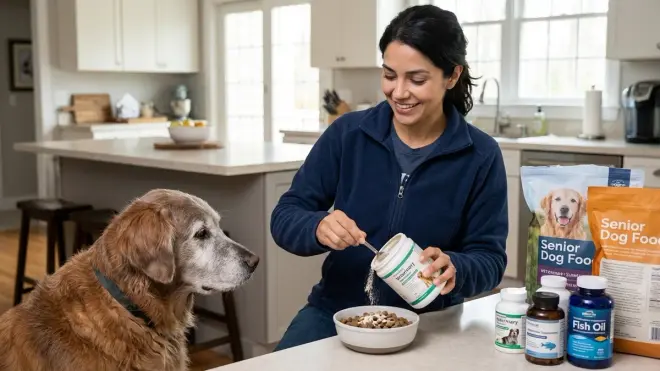
Nutrition plays a direct role in cognitive function, and several dietary modifications show genuine promise for managing cognitive decline in senior dogs. This isn't about miracle cures—it's about supporting brain health through evidence-based interventions.
Look for senior dog foods formulated with medium-chain triglycerides (MCTs), omega-3 fatty acids (especially DHA and EPA), and antioxidants like vitamin E, vitamin C, and selenium. MCTs provide an alternative energy source for aging brains that may struggle to efficiently use glucose. The Hill's Prescription Diet b/d was specifically formulated for canine cognitive dysfunction and contains these targeted nutrients.
Omega-3 fatty acids from fish oil support brain cell membrane health and may slow cognitive decline. Look for supplements providing at least 40mg/kg of EPA and DHA combined for your dog's weight. Antioxidants combat oxidative stress—essentially rust that accumulates in aging brain tissue.
Discuss these supplements with your veterinarian: S-Adenosylmethionine (SAMe), phosphatidylserine, and Ginkgo biloba have varying levels of research support for cognitive function. SAMe in particular (dosing typically 18-20mg/kg daily) has decent evidence for improving mental alertness in dogs with CDS.
Some veterinarians prescribe selegiline (Anipryl), an FDA-approved medication for canine cognitive dysfunction that increases dopamine availability in the brain. It doesn't work for every dog, but when it does work, the improvements can be remarkable—think increased awareness, better sleep patterns, and reduced anxiety.
Before adding any supplements, especially if your dog takes other medications, get veterinary approval. Drug interactions are real, and choosing the right nutritional support requires professional guidance based on your specific dog's health status.
Step 6: Manage Sleep Disruptions and Nighttime Anxiety
Nighttime pacing and vocalization are absolutely exhausting for everyone, and they're among the most challenging aspects of cognitive decline in senior dogs. I've watched my neighbor turn into a sleep-deprived shell of herself because her dog wandered and whined from midnight until dawn. Let's talk about practical management strategies that actually work.
First, increase daytime activity and mental stimulation to promote natural tiredness at bedtime. This seems counterintuitive for a senior dog, but appropriate exercise (adapted to their physical abilities—check out exercise modifications for elderly dogs) helps regulate sleep-wake cycles. Think short, frequent walks rather than one long trek.
Create a comfortable, secure sleeping area that reduces anxiety. Some dogs do beautifully in crates that feel den-like and safe; others need open beds in quiet corners. Use orthopedic bedding (genuinely supportive memory foam, not thin padding) to address any pain that might disrupt sleep.
Establish that bedtime routine I mentioned earlier with religious consistency: same time, same sequence, same environmental cues. Consider a white noise machine or calming music specifically designed for canine anxiety—the constant, predictable sound can soothe restless brains. Through a Dog's Ear and iCalmPet produce research-backed calming music that actually works for many dogs.
Night lights throughout your home prevent disorientation when your dog wakes confused in darkness. Motion-sensor varieties are perfect because they automatically illuminate when your dog stands up, without leaving bright lights on all night that might interfere with melatonin production.
If behavioral interventions aren't enough, discuss melatonin supplementation (typical dosing 3-9mg depending on weight, given 30-60 minutes before bedtime) or prescription anxiety medications with your veterinarian. There's no badge of honor for suffering through sleepless nights—pharmaceutical support is completely valid when quality of life is suffering.
Step 7: Monitor Progression and Know When to Reassess Quality of Life
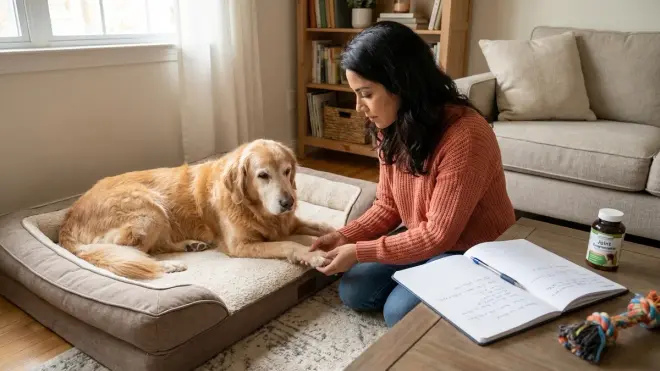
Cognitive decline in senior dogs is progressive, meaning it will worsen over time. Your management strategies need regular reassessment to ensure they're still meeting your dog's needs. This is the hardest part of this guide to write, because it touches on the questions no pet parent wants to face.
Keep that symptom journal updated weekly. Note frequency of concerning behaviors, successful management techniques, and your dog's overall quality of life. Are they still enjoying food? Responding positively to gentle affection? Experiencing more good hours than bad ones? These data points matter enormously.
Schedule veterinary rechecks every 3-6 months (more frequently if decline is rapid) to adjust medications, discuss new interventions, and openly address progression. Bring your journal to these appointments—your veterinarian can't assess what's happening at home without your observations.
Watch for signs that current management isn't adequate: escalating nighttime disturbance that's destroying your family's wellbeing, house soiling that's become constant despite scheduled breaks, complete loss of recognition of family members, or persistent distress and anxiety that doesn't respond to interventions.
Quality of life assessments should be honest and ongoing. There's a veterinary quality of life scale that evaluates hurt, hunger, hydration, hygiene, happiness, mobility, and "more good days than bad." When the balance tips toward more suffering than contentment, it's time for the most compassionate conversation with your veterinarian about senior dog care options, including end-of-life planning.
This isn't giving up—it's recognizing that our responsibility to our dogs includes protecting them from prolonged suffering. I've learned from years with guinea pigs that knowing when to let go is the final, most loving act of responsible pet ownership.
Step 8: Build Your Support Network and Practice Self-Care
Caring for a dog with cognitive dysfunction is genuinely exhausting, and you cannot do this alone without burning out completely. I mean that—you need support systems in place, or you'll crumble under the weight of sleepless nights and constant vigilance.
Connect with other pet parents managing cognitive decline through online forums, local support groups, or veterinary behavior practice communities. People who haven't experienced this cannot fully understand the unique grief of watching a beloved companion slowly forget you while still being physically present.
Consider hiring a professional dog walker or pet sitter who has experience with senior dogs to give yourself breaks. Even two afternoons per week when someone else handles potty breaks and monitoring can preserve your sanity. Look for sitters through Rover or Care.com who specifically mention senior dog experience in their profiles.
Set realistic expectations for yourself and your household. You cannot prevent all accidents, eliminate all anxiety, or stop disease progression. What you can do is provide compassionate management, safe environments, and quality veterinary care. That's enough. It has to be enough.
Establish quiet time for yourself daily, even if it's just 15 minutes. Caregiver burnout is absolutely real, and it serves no one—not you, not your dog—when you're depleted. Practice the same self-compassion you extend to your aging companion.
Communicate openly with family members about responsibilities, challenges, and emotions. This journey affects everyone in the household, and resentment builds fast when one person carries the entire burden. Use that posted routine schedule to distribute tasks fairly.
When things feel overwhelming (and they will), remember that you're providing your senior dog with dignity, comfort, and love during a confusing, frightening time for them. That matters more than perfect execution of every management strategy.
Pro Tips & Common Mistakes
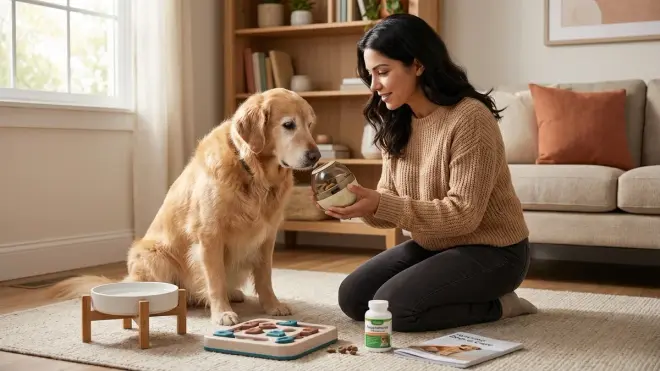
The biggest mistake I see (from watching my neighbor and chatting with the veterinary behaviorist she eventually consulted) is waiting too long to seek professional help. Cognitive decline in senior dogs progresses faster when left unmanaged—early intervention with appropriate supplements, environmental modifications, and sometimes medications can genuinely slow decline and preserve quality time.
Don't assume every behavior change is "just old age." Old dogs absolutely can learn, respond to training, and maintain enthusiasm—if they can't, something's wrong that deserves investigation. This dismissive attitude leads to missed diagnoses of treatable conditions.
Pro tip: Use different textured flooring or rugs to create sensory pathways your dog can feel through their paw pads. Smooth tile leading to textured bathroom rugs creates a tactile guide to the door, which works brilliantly when vision is failing.
Avoid punishment or frustration responses when your dog has accidents or seems to forget commands. They're not being stubborn or spiteful—their brain literally isn't processing information correctly. Anger only increases their anxiety and makes symptoms worse.
Here's a game-changer: Install door chimes (like the ones people use for home security) on doors to outside. Ring them before every potty break. The auditory cue can help confused dogs remember the association between "door chime" and "time to eliminate outside," even when other memories are fading.
Don't overstimulate with too many new enrichment activities at once. I know the temptation to throw everything at the problem, but cognitive decline means reduced capacity to process novel information. Introduce one new element weekly, not five simultaneously.
Finally, photograph and video your good moments together—the times they wag when you come home, the peaceful afternoon naps, the gentle walks. You'll want these memories later, and they'll help you remember the connection you maintained despite the confusion.
Frequently Asked Questions
At what age should I start watching for cognitive decline in senior dogs?
Most dogs begin showing early signs of cognitive decline between 7-11 years of age, depending on breed size—large breed dogs age faster and may show signs as early as 6-7 years, while small breeds might not show symptoms until 10-12 years old. Begin monitoring behavior changes closely once your dog enters their senior years (generally considered the last 25% of expected lifespan for their breed), but know that some dogs never develop significant cognitive dysfunction while others decline rapidly. Regular veterinary wellness exams every 6 months for senior dogs help catch early changes you might not notice during daily interactions.
Can cognitive decline in senior dogs be reversed or only slowed?
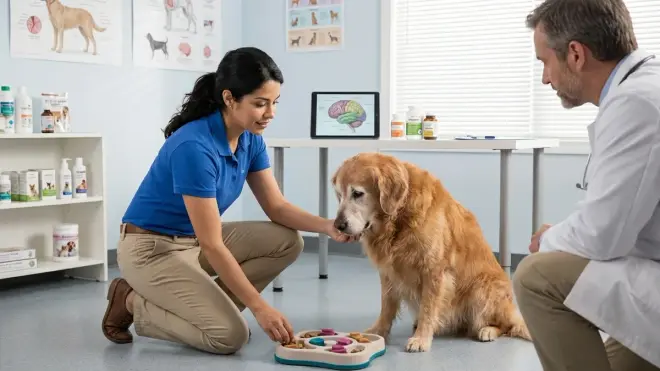
Cognitive decline in senior dogs cannot be reversed—the brain changes associated with canine cognitive dysfunction syndrome are degenerative and progressive, similar to Alzheimer's disease in humans. However, early intervention with appropriate diet changes, supplements, environmental modifications, and sometimes medications can significantly slow progression and improve quality of life for months or years. Some dogs show remarkable improvement in symptoms with treatment, even though the underlying disease continues advancing. The goal is managing symptoms and maximizing good days, not curing the condition.
Is cognitive decline in dogs the same as dementia in humans?
Yes, canine cognitive dysfunction syndrome is remarkably similar to Alzheimer's disease and other dementias in humans, including comparable brain pathology like beta-amyloid plaques and neurofibrillary tangles. Dogs experience memory loss, disorientation, sleep disturbances, personality changes, and progressive decline in cognitive function just like human dementia patients. This similarity makes dogs valuable research models for studying human Alzheimer's disease, and treatments that work for human dementia are often tested in dogs first. The emotional experience for caregivers is also comparable—watching a loved one slowly forget while still being physically present is profoundly difficult regardless of species.
Should I get a companion dog to help my senior dog with cognitive decline?
Generally no—introducing a new dog to a household when your senior dog is experiencing cognitive decline in senior dogs typically increases stress and confusion rather than providing comfort. Your cognitively impaired dog has reduced ability to adapt to change, learn new social dynamics, or tolerate the energy of a younger dog. The disruption to established routines and the competition for resources usually worsens anxiety symptoms. If companionship seems beneficial, consider very brief, supervised visits with a calm, familiar dog rather than adding a permanent household member. Focus your energy on environmental management and maintaining your senior dog's comfort rather than adding complexity to their declining world.
Summary
Recognizing and managing cognitive decline in senior dogs requires patience, consistency, and realistic expectations, but the effort dramatically improves your dog's quality of life during their final years. Start by learning the DISHAAL signs of cognitive dysfunction, then work with your veterinarian to rule out treatable medical conditions and develop a comprehensive management plan including environmental modifications, dietary support, appropriate medications, and behavioral interventions.
The journey of supporting a dog through cognitive decline is emotionally challenging and physically exhausting—I've watched my neighbor transform into an expert advocate for her aging retriever, learning to read subtle cues and adapt her home in ways she never imagined. Your dog's personality might fade, their memory might fail, but your consistent presence and compassionate management provide comfort during their confusion. That's what love looks like in the final chapter—showing up, making adjustments, and prioritizing their dignity even when they can no longer remember your name.