


I'll be honest—writing about senior dog health feels like stepping outside my usual guinea pig wheelhouse. But after spending years creating care checklists for my own cavies (because nothing prepares you for the sheer volume of details involved in keeping small pets healthy), I recognize that same need among dog parents watching their companions age. This senior dog health checklist is designed to help you stay organized as your dog transitions into their golden years, typically around age 7-10 depending on breed size. We'll cover veterinary appointments, at-home monitoring, mobility assessments, and nutrition considerations—all the pieces that make comprehensive senior care manageable rather than overwhelming.
If you're looking for broader context on caring for aging dogs, our guide to Senior Dog Care: Complete Guide to Caring for Your Aging Dog covers everything from behavior changes to environmental modifications.

Twice-Annual Veterinary Examinations
Your senior dog health checklist should start with the foundation: regular veterinary visits every six months instead of the annual schedule you maintained during their adult years. Here's what those appointments should include:
Complete physical examination – Your veterinarian should palpate the abdomen, check heart and lung sounds with a stethoscope, assess body condition score, and examine lymph nodes for any abnormalities or asymmetry.
Comprehensive bloodwork panel – A full chemistry panel and complete blood count (CBC) establishes baseline values for kidney function (BUN, creatinine), liver enzymes (ALT, AST, ALP), blood glucose, and red/white blood cell counts—critical for catching organ decline before symptoms appear.
Thyroid function testing – Hypothyroidism becomes increasingly common in senior dogs, particularly in Golden Retrievers, Dobermans, and Cocker Spaniels, causing weight gain, lethargy, and coat changes that owners often mistake for "just getting old."
Urinalysis with sediment examination – This simple test detects urinary tract infections, kidney disease, diabetes, and bladder stones before your dog shows obvious signs of discomfort or inappropriate urination.
Blood pressure measurement – Systemic hypertension affects roughly 10% of senior dogs according to veterinary cardiology research, and can cause organ damage if left undetected and untreated.
Dental evaluation with periodontal charting – Your vet should assess each tooth individually for mobility, recession, and periodontal pockets deeper than 3mm, which indicate infection below the gumline requiring professional cleaning under anesthesia.
Body condition and muscle mass assessment – Beyond just weight, your veterinarian should evaluate muscle wasting over the spine, hips, and skull—an early indicator of inadequate protein intake, kidney disease, or chronic pain limiting movement.
Eye examination with pupillary light reflex – Cataracts, nuclear sclerosis (normal age-related lens hardening), glaucoma, and progressive retinal atrophy all become more prevalent with age, and early detection preserves remaining vision longer.
I learned with my guinea pigs that twice-yearly vet visits catch problems I'd never notice at home—the slight heart murmur, the early dental spur formation, the subtle weight loss hidden under all that fur. Dogs are even better at hiding discomfort than cavies, making these scheduled check-ins non-negotiable.
Daily At-Home Health Monitoring
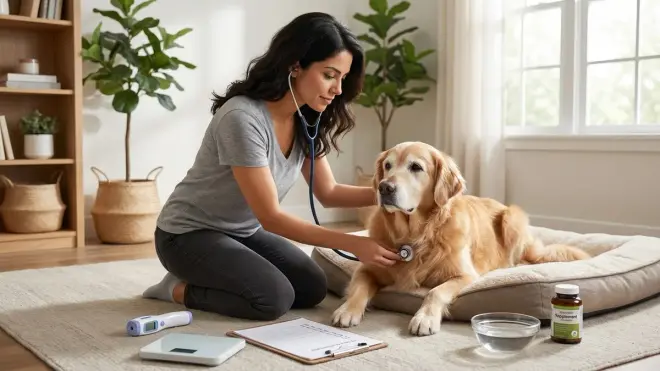
Between those veterinary appointments, your senior dog health checklist needs a daily observation routine. Think of it as your early warning system—small changes compound into patterns that signal trouble.
Appetite and water consumption tracking – Notice if your dog suddenly becomes pickier, leaves food in the bowl, or drinks significantly more water than usual (polydipsia can indicate diabetes, kidney disease, or Cushing's syndrome).
Elimination habits documentation – Monitor frequency, volume, color, consistency, and any straining during urination or defecation—changes often precede formal diagnosis of gastrointestinal, urinary, or prostate issues.
Respiratory rate at rest – Count breaths per minute while your dog sleeps peacefully (normal is 10-30 breaths per minute); consistently elevated rates above 35-40 may indicate heart disease, pain, or respiratory compromise.
Gait and mobility observation – Watch for limping, reluctance to climb stairs, difficulty rising from lying down, bunny-hopping on back legs, or decreased willingness to jump into the car—all signs of arthritis or orthopedic pain.
Behavioral changes and mental alertness – Note any confusion, disorientation, staring at walls, forgetting familiar commands, changes in sleep-wake cycles, or increased anxiety—potential indicators of cognitive decline in senior dogs.
Skin and coat condition checks – Run your hands over your dog's entire body daily, feeling for new lumps, bumps, hot spots, thinning coat, excessive dandruff, or areas of tenderness that weren't there before.
Nail and paw pad inspection – Reduced activity means slower nail wear, requiring more frequent trimming to prevent overgrowth that alters gait and causes joint stress; check pads for cracks, cuts, or foreign objects.
Oral health quick-checks – Lift the lips weekly to look for red, swollen gums, loose teeth, unusual growths, or that unmistakable smell of advanced periodontal disease (it's distinct—trust me, you'll know it).
This daily hands-on time doubles as bonding and quality-of-life assessment. I do something similar with my guinea pigs during lap time, running my fingers along their spines and bellies while they rumblestrut contentedly. With dogs, those daily pets and cuddles become diagnostic opportunities.
Specialized Geriatric Screening Tests
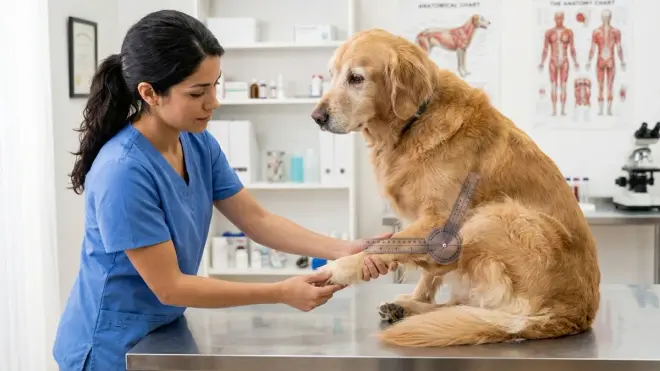
Beyond routine wellness exams, your senior dog health checklist should include age-specific screenings that aren't standard for younger adults. These tests catch breed-predisposed conditions early.
Cardiac evaluation with chest radiographs – X-rays reveal heart size (an enlarged heart suggests cardiomyopathy or valve disease), lung field changes, and early pulmonary edema before your dog shows exercise intolerance or coughing.
Abdominal ultrasound examination – Imaging visualizes organ architecture, detecting masses, cysts, gallbladder sludge, enlarged lymph nodes, and structural changes in the liver, spleen, kidneys, and adrenal glands that bloodwork alone might miss.
Orthopedic evaluation for arthritis – Veterinary assessment includes joint palpation, range of motion testing, and potentially radiographs to document degenerative changes in hips, elbows, knees (stifles), and spine—essential for developing appropriate pain management protocols.
Cognitive function assessment tools – Your veterinarian may use standardized questionnaires like the Canine Cognitive Dysfunction Rating Scale to objectively measure changes in disorientation, social interactions, sleep patterns, and house-training consistency.
Fecal examination and intestinal parasite screening – Even indoor dogs can harbor parasites that tax their immune systems; senior dogs with compromised immunity need regular fecal testing even if you're diligent about monthly preventatives.
Tick-borne disease panel – Testing for Lyme disease, ehrlichiosis, anaplasmosis, and Rocky Mountain spotted fever becomes critical if your dog shows vague symptoms like lethargy, joint pain, or fever—these diseases damage organs over time if untreated.
Breed-specific cancer screenings – Golden Retrievers benefit from annual splenic ultrasounds (hemangiosarcoma risk), Bernese Mountain Dogs need thorough lymph node palpation (lymphoma prevalence), and Boxers require careful monitoring for mast cell tumors.
Some of these tests aren't cheap—I won't pretend otherwise. But catching problems early usually costs less than treating advanced disease. (That's been my experience with guinea pig care too: investing in proper diet and housing from day one beats emergency vet visits for preventable conditions.)
Nutritional Assessment and Dietary Modifications
Aging changes nutritional needs substantially. Your senior dog health checklist must include regular dietary evaluations with adjustments based on activity level, body condition, and any diagnosed conditions.
Caloric intake adjustment based on metabolism – Most senior dogs need 20-30% fewer calories than they did in their prime adult years due to decreased activity and slower metabolism; continuing the same portions leads to obesity and joint stress.
High-quality protein content evaluation – Contrary to old advice about restricting protein, healthy senior dogs actually need more bioavailable protein (around 25-32% on a dry matter basis) to maintain muscle mass and immune function.
Joint-supporting supplements incorporation – Glucosamine (typically 500-1500mg depending on size), chondroitin, MSM, and omega-3 fatty acids from fish oil support cartilage health and reduce inflammatory responses in arthritic joints.
Digestive health optimization – Senior dogs benefit from easily digestible protein sources like chicken, turkey, or fish rather than complex grains, plus prebiotic fiber and probiotics to support the gut microbiome that often shifts with age.
Hydration monitoring and moisture content – Many senior dogs don't drink enough water, especially those with kidney disease; switching from dry kibble to wet food or adding water/bone broth to meals increases moisture intake significantly.
Dental-appropriate food texture – Dogs with missing teeth, painful periodontal disease, or oral tumors need softened kibble, canned food, or specially formulated senior textures that don't require aggressive chewing.
Cognitive support through diet – Foods containing medium-chain triglycerides (MCTs), antioxidants (vitamins E and C), omega-3 DHA, and potentially prescription therapeutic diets designed for cognitive dysfunction show measurable benefits in mental clarity.
For specific recommendations on what to feed, check out our article on Best Dog Food for Senior Dogs: Top Nutrition for Aging Canines. If your older dog has packed on extra pounds (common when activity drops but portions don't), our guide on How to Help Your Senior Dog Lose Weight Safely walks through gradual, healthy reduction strategies.
The shift from all-life-stages food to senior formulations isn't just marketing—though I'll admit I was skeptical at first. The protein-to-fat ratios, calorie density, and added supplements genuinely address age-related changes. It's similar to how my guinea pigs needed timothy hay instead of alfalfa once they matured: same species, different life stage, different requirements.
Mobility and Pain Management Monitoring
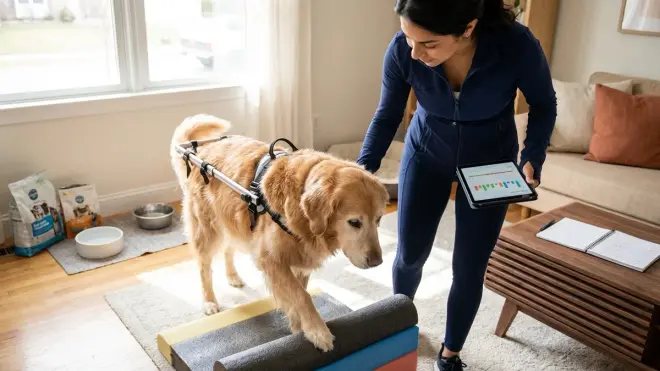
Senior dog mobility issues often develop gradually, making them easy to dismiss as "slowing down." Your checklist needs objective markers to catch decline early.
Stairs and elevation change assessment – Time how long it takes your dog to climb a standard flight of stairs, or note if they begin refusing stairs entirely, bunny-hopping, or yelping during ascent or descent.
Rising difficulty and time tracking – Measure seconds from lying position to standing; healthy seniors should rise smoothly within 3-5 seconds, while arthritic dogs often rock forward multiple times or need 10+ seconds to stand.
Exercise tolerance and recovery time – Note whether your dog pants excessively after normal walks, takes longer to recover, or shows next-day stiffness (delayed-onset soreness indicates overdoing activity for their current condition).
Gait abnormalities and limb use – Watch for head bobbing (indicating forelimb lameness—the head lifts when the painful leg bears weight), hip sway, toe dragging, or avoidance of putting full weight on a limb.
Cold weather and morning stiffness patterns – Many arthritic dogs show pronounced stiffness after sleeping or in cold/damp weather that improves with gentle movement as joints warm up—this "warm-up" phenomenon strongly suggests osteoarthritis.
Pain behavior recognition – Subtle signs include reluctance to be touched in certain areas, sleeping more, decreased enthusiasm for previously enjoyed activities, changes in facial expression (tightened brow, squinting), or unusual vocalizations.
Medication effectiveness evaluation – If your dog takes NSAIDs like carprofen or meloxicam, anti-inflammatory supplements, or pain medications like gabapentin, document whether symptoms improve and watch for side effects (vomiting, diarrhea, decreased appetite).
For practical modifications that reduce pain and improve quality of life, our Everything You Need for Senior Dog Comfort: Home Modifications Checklist covers ramps, orthopedic beds, and environmental changes that make daily living easier. If you're trying to keep your senior moving safely, How to Adjust Exercise Routines for Elderly Dogs provides age-appropriate activity guidelines.
Pain management has been one of the toughest learning curves in my own pet care journey. Guinea pigs hide pain instinctively (prey animal survival), so I've learned to read incredibly subtle signals. Dogs are somewhat more obvious, but still—they're stoic creatures who'd rather push through discomfort than complain. You have to advocate for them by noticing what they won't tell you.
Dental Health Maintenance and Monitoring
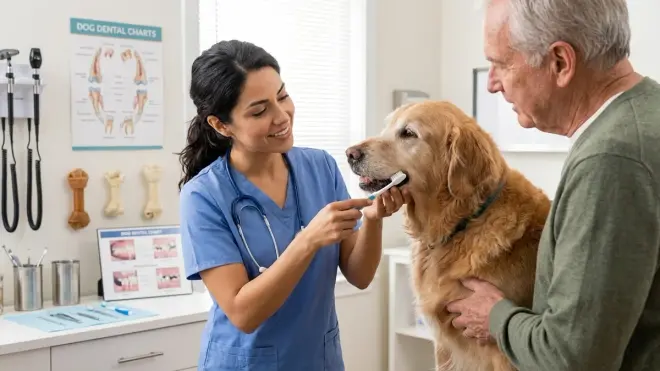
Senior dog dental care deserves its own section on your health checklist because oral disease doesn't just affect the mouth—it seeds bacteria throughout the bloodstream, damaging heart valves, kidneys, and liver over time.
Professional dental cleaning under anesthesia – Most senior dogs need cleanings every 1-2 years to remove calculus below the gumline, though frequency depends on breed (small dogs accumulate tartar faster), diet, and at-home care consistency.
Pre-anesthetic bloodwork and cardiac clearance – Before any dental procedure, senior dogs need updated chemistry panels, CBC, and potentially ECG or echocardiogram to ensure safe anesthesia—age itself isn't an anesthesia contraindication, but undiagnosed disease is.
Daily tooth brushing with enzymatic paste – Mechanical removal of plaque before it mineralizes into tartar prevents periodontal disease progression; aim for 30 seconds per side using pet-specific toothpaste (never human formulations containing xylitol).
Dental-specific chews and water additives – Products bearing the Veterinary Oral Health Council (VOHC) seal of acceptance have demonstrated efficacy in reducing plaque and tartar, though they supplement rather than replace brushing.
Broken tooth and root exposure monitoring – Check for fractured teeth (especially the large carnassial teeth in back), exposed roots indicating recession, or loose teeth that create pockets where bacteria thrive and cause painful abscesses.
Oral tumor surveillance – Senior dogs develop oral melanomas, squamous cell carcinomas, and fibrosarcomas; any new growths, asymmetric swellings, or bleeding from the mouth warrant immediate veterinary examination.
Bad breath as a diagnostic indicator – While "dog breath" is common, genuinely foul odor (different from normal canine mouth smell) indicates active infection, necrotic tissue, kidney disease producing uremic breath, or diabetic ketoacidosis.
I'll confess that I initially underestimated dental care importance until one of my guinea pigs developed a dental spur that prevented proper eating. The emergency filing procedure wasn't cheap, and the whole thing was preventable with better monitoring. Teeth matter—for every species.
Cognitive Function and Mental Enrichment
Your senior dog health checklist isn't complete without mental health considerations. Cognitive decline in senior dogs (canine cognitive dysfunction or "dog dementia") affects an estimated 14-35% of dogs over age 8, with prevalence increasing significantly after age 11.
House-training consistency tracking – Increased accidents indoors, especially in previously reliable dogs, can indicate cognitive dysfunction, urinary tract infections, kidney disease, or diabetes—distinguishing the cause requires veterinary workup.
Sleep-wake cycle disruption documentation – Note if your dog paces at night, seems awake and alert at 2 AM, sleeps excessively during the day, or shows reversed day-night patterns (sundowner's syndrome).
Social interaction changes observation – Watch for decreased interest in greeting family members, withdrawal from previously enjoyed social activities, confusion about household members, or increased clinginess and separation anxiety.
Spatial disorientation incidents – Getting stuck in corners, standing on the hinge side of doors, forgetting the location of food bowls, or failing to navigate familiar rooms suggests cognitive mapping problems.
Response to commands and learned behaviors – If your dog suddenly "forgets" previously reliable commands, doesn't respond to their name, or seems confused about familiar routines, cognitive decline may be progressing.
Enrichment activities and puzzle feeders – Mental stimulation through scent work, gentle training sessions, food-dispensing toys, and novel experiences supports cognitive health—the "use it or lose it" principle applies to canine brains too.
Prescription cognitive support medications – Your veterinarian may recommend selegiline (Anipryl), which increases dopamine levels and shows modest benefit for some dogs with diagnosed cognitive dysfunction, or dietary supplements like SAMe and phosphatidylserine.
For deeper coverage of what cognitive decline looks like and management strategies, our comprehensive article on How to Recognize and Manage Cognitive Decline in Senior Dogs is worth reading through. Senior Dog Supplement Checklist: Vitamins, Joint Support and Cognitive Health also covers the evidence (or lack thereof) behind various cognitive supplements.
Watching mental decline is heartbreaking—there's no sugarcoating it. But environmental management, routine consistency, and gentle enrichment genuinely help maintain quality of life longer than doing nothing. Even when my guinea pigs enter their senior years (around 4-5 for cavies), I notice they appreciate familiar routines more and startle more easily at changes. Stability becomes comfort.
Preventative Care and Vaccinations
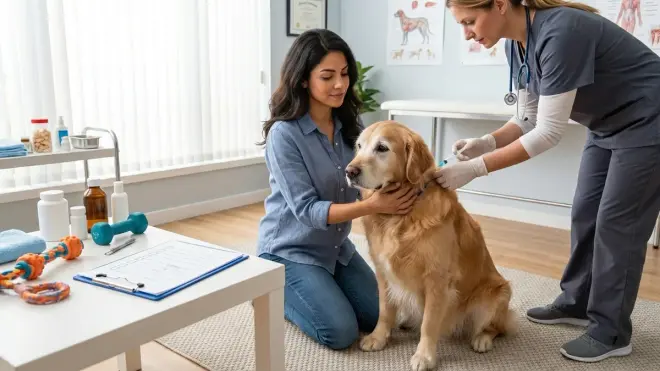
Your senior dog health checklist should include a conversation with your veterinarian about age-appropriate vaccination protocols—not every dog needs every vaccine annually into old age.
Core vaccine titer testing instead of automatic boosters – Measuring antibody levels for distemper and parvovirus tells you whether your dog still has protective immunity, potentially eliminating unnecessary vaccines in seniors with adequate titers.
Rabies vaccination per legal requirements – While rabies is legally mandated, some jurisdictions accept exemptions for senior dogs with documented health conditions that make vaccination risky—discuss options with your vet if your dog has immune-mediated diseases.
Non-core vaccines based on lifestyle risk – Leptospirosis, Bordetella, canine influenza, and Lyme vaccines should be evaluated based on exposure risk (boarding facilities, dog parks, tick-endemic areas) rather than given automatically.
Parasite prevention year-round – Monthly heartworm, flea, and tick preventatives remain essential throughout your dog's life; senior dogs are not immune to parasites and may be more susceptible to complications from infestations.
Annual fecal testing for intestinal parasites – Even dogs on regular preventatives can harbor hookworms, roundworms, whipworms, or giardia—testing catches infections before they cause clinical disease or zoonotic transmission to humans.
Immune system support through nutrition – Antioxidants including vitamins E and C, beta-carotene, selenium, and omega-3 fatty acids support immune function that naturally declines with age.
Vision and Hearing Monitoring
Sensory decline affects how your senior dog navigates the world. Your checklist should track these changes and accommodate them.
Vision assessment using obstacle courses – Set up unfamiliar furniture arrangements in dim and bright lighting to see if your dog navigates confidently or bumps into objects, indicating vision loss.
Cataract development monitoring – Nuclear sclerosis (normal age-related lens cloudiness) doesn't significantly impair vision, but true cataracts appear as dense, white opacities that may eventually require surgical removal for functional blindness.
Hearing loss recognition and testing – Clap behind your dog when they're not looking, use high-pitched and low-pitched sounds separately (dogs often lose high frequencies first), and watch whether they startle when you approach from behind.
Environmental adaptations for sensory deficits – Keep furniture arrangements consistent, use nightlights to help dogs with poor night vision, approach deaf dogs from the front where they can see you, and use vibration collars or stomping for attention.
The sensory decline progression reminds me of watching my oldest guinea pig, Whiskers, lose his hearing around age six. He stopped responding to the treat bag rustle but still wheek-wheeked at the sight of vegetables. Dogs adapt remarkably well to gradual vision and hearing loss—it's the sudden losses that disorient them.
Weight and Body Condition Management

Your senior dog health checklist must include monthly weight tracking and body condition scoring because both obesity and unintentional weight loss signal problems.
Monthly weigh-ins at home or clinic – Establish baseline weight during health and track changes; losses of 10% or more over 2-3 months warrant investigation for cancer, kidney disease, diabetes, or hyperthyroidism.
Body condition score assessment using palpation – You should feel ribs easily under a thin fat layer without pressing hard, see a waist when viewed from above, and observe an abdominal tuck when viewed from the side—anything less indicates overweight/obesity.
Muscle condition score over bony prominences – Run hands over the spine, hips (iliac crests), and skull; visible bones with no muscle coverage indicate muscle wasting (sarcopenia) even if overall weight seems stable.
Obesity-related health complications screening – Excess weight exacerbates arthritis, increases anesthesia risks, predisposes to diabetes mellitus, causes respiratory compromise, and shortens lifespan—it's the most common preventable disease in senior dogs.
If weight has crept up over the years, our guide on How to Help Your Senior Dog Lose Weight Safely provides gradual reduction strategies that preserve muscle while trimming fat. And for choosing appropriate nutrition to support healthy weight, Best Senior Dog Food for Older Dogs reviews formulations designed for aging metabolisms.
Weight management feels like a constant balancing act—I get it. My guinea pigs are chonky little potatoes who'd happily eat themselves into obesity if I let them. But carrying extra weight genuinely impacts quality of life when joints already hurt and hearts already work harder.
Laboratory Value Baselines and Trends
Numbers matter on your senior dog health checklist. Establishing baselines in healthy senior years helps identify concerning trends early.
Kidney function markers tracking over time – Creatinine and BUN (blood urea nitrogen) rise as kidney function declines, but values must increase substantially before appearing "abnormal" on standard ranges—tracking trends catches problems earlier.
Liver enzyme patterns and ALKP elevation – Alkaline phosphatase (ALKP) often increases with age, Cushing's disease, or certain medications; persistently high values (especially with concurrent clinical signs) warrant further investigation including bile acid testing or ultrasound.
Complete blood count changes – Anemia (low red blood cells), thrombocytopenia (low platelets), or leukopenia (low white blood cells) can indicate bone marrow disease, immune-mediated conditions, or chronic disease processes requiring additional diagnostics.
Glucose monitoring for diabetes screening – Fasting blood glucose should remain between 70-120 mg/dL; consistently elevated values above 200 mg/dL plus glucosuria (glucose in urine) confirm diabetes mellitus diagnosis requiring insulin therapy.
Thyroid hormone (T4) level establishment – Total T4 below normal range suggests hypothyroidism, but sick euthyroid syndrome (low T4 from non-thyroidal illness) complicates diagnosis—additional testing with free T4 and TSH may be needed.
Electrolyte balance assessment – Sodium, potassium, chloride, and phosphorus imbalances indicate kidney disease, Addison's disease, or medication side effects that require management adjustments.
Understanding bloodwork has definitely been my learning curve—both for guinea pigs and now researching dogs. Those reference ranges exist for a reason, but the trends within "normal" often tell more than single values. Vets worth their salt explain what numbers mean rather than just saying "everything's fine."
End-of-Life Planning and Quality-of-Life Assessment

The hardest part of any senior dog health checklist: preparing for the inevitable while maximizing remaining good days. Avoiding this conversation doesn't make it easier when the time comes.
Quality-of-life scale documentation – Use objective assessment tools like the HHHHHMM Scale (Hurt, Hunger, Hydration, Hygiene, Happiness, Mobility, More good days than bad) to track whether your dog still experiences more positive than negative moments.
Pain management effectiveness honest evaluation – If pain medications at maximum safe doses no longer provide relief, if your dog can't rest comfortably, or if they vocalize frequently in distress, quality of life has declined significantly.
Mobility and independence considerations – Dogs who can no longer stand without assistance, have lost bowel/bladder control entirely, or cannot reach food and water independently may have crossed the threshold where dignity outweighs longevity.
Advanced directive discussions with your veterinarian – Talk about what interventions you would or wouldn't pursue (CPR, hospitalization, feeding tubes, intensive care), what quality-of-life non-negotiables exist, and how you'll know when it's time.
Hospice and palliative care options – Some veterinarians specialize in end-of-life care, providing at-home support focused on comfort rather than cure, including pain management, sedation for anxiety, and guidance through the final weeks.
Euthanasia planning and at-home services – Many veterinarians offer peaceful at-home euthanasia in your dog's familiar environment, allowing them to pass surrounded by family rather than in a clinic—discussing logistics ahead of time reduces stress when the moment arrives.
I won't pretend I have personal experience with this—my guinea pigs are still young-ish. But I've watched friends navigate these decisions, and the common thread is always: they wished they'd talked about it sooner. Having the conversation while your dog is still happy gives you framework for recognizing when they're not anymore.
Final Check Before You Go
Here's your condensed senior dog health checklist for quick reference:
Every Six Months:
- Complete veterinary examination with bloodwork, urinalysis, thyroid testing, blood pressure
- Dental evaluation and professional cleaning as recommended
- Weight and body condition score documentation
- Updated pain assessment and medication review
Monthly:
- Home weight check
- Comprehensive lump-and-bump body palpation
- Nail trimming as needed
- Documented mobility assessment
Weekly:
- Oral health quick-check (gums, teeth, breath)
- Thorough coat, skin, and paw pad inspection
Daily:
- Appetite and water consumption monitoring
- Elimination habits observation
- Gait and mobility watch
- Behavioral and cognitive function notes
- Pain behavior recognition
Frequently Asked Questions

How often should senior dogs see the veterinarian for check-ups?
Senior dogs should visit the veterinarian every six months rather than annually, as aging dogs experience physiological changes more rapidly and conditions can progress quickly between yearly appointments—twice-annual examinations with bloodwork, urinalysis, and physical assessment catch organ dysfunction, cancer, and metabolic diseases in earlier, more treatable stages.
What are the most important blood tests for senior dogs?
The most critical blood tests for senior dogs include a complete chemistry panel measuring kidney function (BUN and creatinine), liver enzymes (ALT, AST, and ALKP), blood glucose, and electrolytes, plus a complete blood count assessing red and white blood cells, along with thyroid function testing (total T4) and urinalysis—these baseline values tracked over time reveal developing organ disease, diabetes, hypothyroidism, anemia, and infection before clinical symptoms appear.
When is a dog considered a senior and how does that vary by breed size?
Dogs are generally considered senior when they reach approximately the last 25% of their expected lifespan, which varies significantly by size: giant breeds like Great Danes become seniors around age 5-6, large breeds like German Shepherds around age 7-8, medium breeds like Beagles around age 8-10, and small breeds like Chihuahuas around age 10-11—larger dogs age faster and have shorter lifespans due to accelerated cellular aging and increased cancer rates. Our article on Understanding Geriatric Dogs: When Your Dog Becomes a Senior breaks down these age ranges in detail.
Final Thoughts
This senior dog health checklist probably feels overwhelming—trust me, I get it. When I first started creating care schedules for my guinea pigs, the sheer volume of daily, weekly, and monthly tasks seemed impossible to maintain. But here's what I learned: checklists aren't about perfection. They're about creating sustainable routines that catch problems early, when they're easier (and cheaper) to address.
Your senior dog isn't asking for perfection either. They're asking for attention to the details that make their golden years comfortable rather than painful. The twice-yearly vet visits, the daily observations, the nutritional adjustments, the mobility monitoring—none of it reverses aging, but all of it maximizes the quality of whatever time remains.
And honestly? That hands-on daily monitoring becomes precious time together. Those moments checking paws and running your hands along their body, noticing the new gray hairs on their muzzle, watching how they rise from their bed—that's not just healthcare. That's love expressed through attention. Your senior dog has given you years of companionship. This checklist is how you return the favor.