
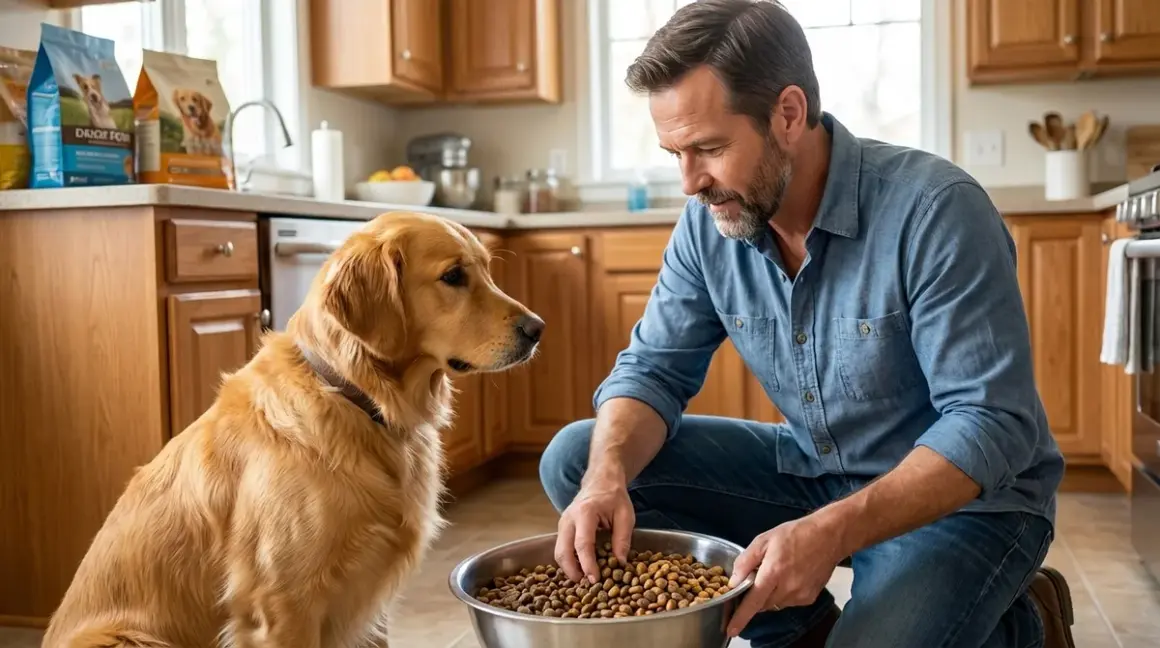

Switching your dog's food isn't as simple as dumping a new bag into their bowl. I've seen this a hundred times—well-meaning owners make the change overnight, and within a day or two, they're dealing with diarrhea, vomiting, or a dog that suddenly refuses to eat. Learning how to switch dog food properly can save you both from that miserable experience.
The good news? A smooth transition is completely achievable when you follow a gradual process. In this guide, I'll walk you through exactly how to introduce new food without upsetting your dog's digestive system. Whether you're switching because of allergies, life stage changes, or simply wanting better nutrition, this method works for dogs of all ages—from puppies to seniors—and all sizes, from Chihuahuas to Great Danes.
Time estimate: 7-10 days for a standard transition (14 days for sensitive stomachs)
Skill level: Beginner—no special knowledge required, just patience and consistency
What You'll Need
Before you start the transition, gather these items:
- Your dog's current food (enough to last through the transition period)
- The new dog food you're switching to—verify it meets AAFCO nutritional standards for your dog's life stage
- Measuring cups or a kitchen scale for accurate portioning
- Two separate containers for storing each food type (airtight to maintain freshness)
- A notebook or phone app to track the transition schedule and any digestive changes
- Your dog's regular food bowls (no need for anything special)
- Pumpkin puree (plain, not pie filling) as a backup if mild digestive upset occurs
- Your veterinarian's contact information in case you need guidance
Step 1: Choose the Right Time to Switch
Here's what usually works: pick a week when your household routine is predictable. Don't start switching food right before you travel, during the holidays, or when major changes are happening at home.
Dogs are creatures of habit, and stress compounds digestive issues. I've watched dogs handle a food transition beautifully at home, then have the same owner try switching during a move and deal with constant stomach upset. The food wasn't the problem—the timing was.
Avoid transitions during:
- Travel or boarding situations
- Right after vaccinations or medical procedures
- During training classes or other new experiences
- When introducing a new pet or family member
- If your dog is currently experiencing any digestive issues
If your dog already has diarrhea or is vomiting, wait until they're fully recovered before starting a food switch. Get your vet's approval if your dog has any chronic health conditions, especially digestive sensitivities, food allergies, or conditions requiring prescription diets.
For puppies under six months, talk to your vet before switching foods. Their nutritional needs are specific, and they're more vulnerable to digestive upset. The same goes for senior dogs with established health issues—what works for a healthy three-year-old Lab might not be appropriate for a twelve-year-old one with kidney concerns.
Step 2: Calculate Your Transition Ratios
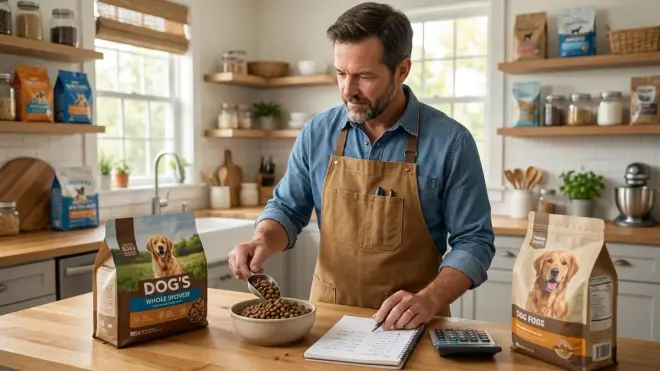
The standard transition schedule spans seven days, but I always recommend stretching it to ten days for better results, and fourteen days if your dog has a sensitive stomach.
Here's the breakdown I use:
Days 1-2: 75% old food + 25% new food
Days 3-4: 50% old food + 50% new food
Days 5-6: 25% old food + 75% new food
Days 7+: 100% new food
For sensitive dogs, slow it down:
Days 1-3: 85% old food + 15% new food
Days 4-6: 70% old food + 30% new food
Days 7-9: 50% old food + 50% new food
Days 10-12: 30% old food + 70% new food
Days 13-14: 100% new food
The key is accuracy. Eyeballing portions leads to inconsistent ratios, which can trigger digestive upset even when you think you're being gradual. Use measuring cups or, even better, a kitchen scale to get the ratios right.
When you're choosing your new food, make sure it's appropriate for your dog's life stage. If you're switching a puppy to adult food, wait until they've reached physical maturity—that's around 12 months for most breeds, but 18-24 months for large breed puppies. Going the other direction, transition to senior formulas around age seven for most dogs, earlier for giant breeds.
Step 3: Mix Foods Thoroughly and Serve at Regular Times
This seems obvious, but it matters more than you'd think. Don't just dump the two foods into the bowl side by side—actually mix them together. Dogs are opportunistic eaters. Given the choice, many will pick out whichever food tastes better and leave the rest.
I've watched dogs carefully eat around the new kibble, defeating the entire purpose of a gradual transition. When you thoroughly combine the foods, they have to eat both.
Feed at the same times you normally do. If your dog eats twice a day at 7 AM and 6 PM, keep that schedule. Consistency helps their digestive system anticipate and prepare for meals, which makes processing the new food easier.
Keep portion sizes the same as before. You're not changing how much they eat—just what they're eating. Check the feeding guidelines on the new food package, because different formulas have different caloric densities. If the new food is more calorie-dense, you might need to reduce the total volume slightly once you're fully transitioned. But during the switch, maintain their current portions.
Room temperature food is easiest to digest. If you store food in the refrigerator (like some fresh or wet foods), let it sit out for 15-20 minutes before serving. Cold food can be harder on the stomach, especially for dogs with sensitive digestion.
For dogs eating both dry and wet food, maintain that ratio through the transition. If they normally eat 75% kibble and 25% wet food, keep that split while you gradually change the brands or formulas.
Step 4: Monitor Stool Quality and Eating Behavior Daily
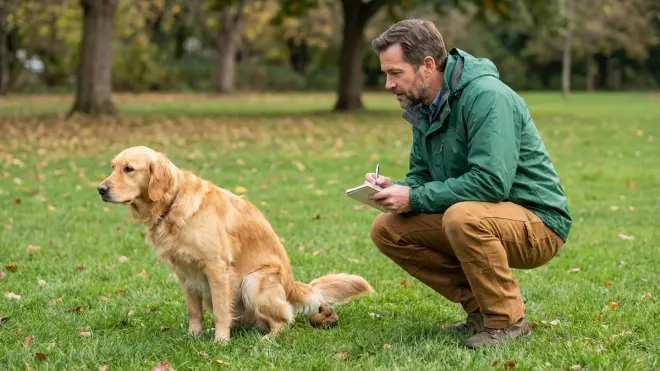
Your dog's stool tells you everything about how the transition is going. This is where that notebook comes in handy.
Normal stools during a food transition should be:
- Firm but not hard
- Log-shaped and well-formed
- Easy for your dog to pass
- Brown (shade varies by food ingredients)
Warning signs to watch for:
- Loose or watery stools
- Mucus coating
- Blood (even small streaks)
- Excessive gas
- Straining during defecation
- More frequent bowel movements than normal
A single slightly softer stool isn't necessarily cause for alarm. But if loose stools continue for more than one day, or if you see blood or mucus, pause the transition. Go back to the previous ratio (or even 100% old food) until stools normalize, then restart more gradually.
Watch their eating behavior too. Most dogs transition without missing a beat, but some become pickier when you introduce new food. If your dog hesitates or walks away from their bowl, give them 15-20 minutes, then remove the food. Don't leave it out all day or offer alternatives—that teaches them they can hold out for something better.
Complete refusal to eat for more than one meal deserves a call to your vet. Same goes for vomiting more than once, lethargy, or signs of abdominal pain like hunching, whining, or reluctance to move.
Increased water consumption is normal when switching to a drier food, and decreased water intake can happen when moving to a wetter formula. But excessive thirst or refusing water altogether needs veterinary attention.
Step 5: Adjust the Pace Based on Individual Response
Here's the reality: not every dog fits the standard schedule. Some breeze through in five days with zero issues. Others need three weeks.
I worked with a Basset Hound whose owner was switching from a chicken-based food to a fish-based formula due to allergies. We followed the ten-day schedule, and on day six, the dog developed loose stools. We paused at the 50/50 ratio for three extra days until his digestion settled, then continued. The entire transition took seventeen days instead of ten, but he never had another issue.
If you see mild digestive upset:
- Pause the transition at the current ratio for 2-3 days
- Add a tablespoon of plain pumpkin puree to meals (fiber helps firm stools)
- Ensure your dog has constant access to fresh water
- Resume the transition once stools normalize
If digestive issues are moderate to severe:
- Return to the previous ratio that didn't cause problems
- Let their system stabilize for 3-4 days
- Restart the transition at an even slower pace—maybe 10% increments instead of 25%
- Consider whether the new food is actually appropriate for your dog
Some dogs simply can't tolerate certain ingredients. If you've slowed the transition to a crawl and your dog still has ongoing issues, the food itself might not be a good fit. Common culprits include specific protein sources (chicken, beef, fish), grains (corn, wheat), or legumes.
This is especially true if you're switching to a grain-free formula. While some dogs thrive on grain-free diets, others don't handle the alternative carbohydrate sources well. Your vet can help determine if the formula is the issue or if your dog needs testing for food sensitivities.
Puppies and senior dogs often need slower transitions than healthy adults. Their digestive systems are either still developing or less efficient than they used to be. Plan for at least fourteen days with these age groups, and don't hesitate to stretch it longer if needed.
Step 6: Complete the Transition and Monitor for Two Weeks
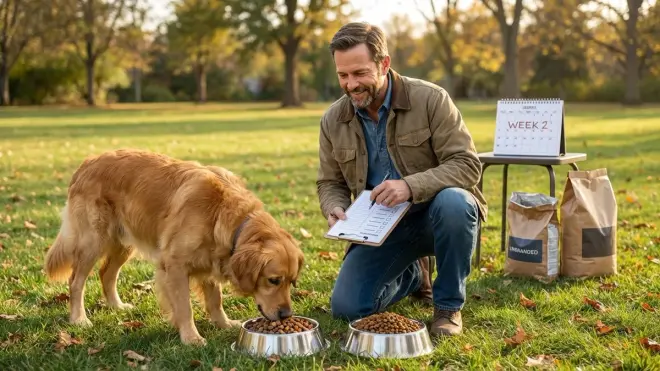
Once you're feeding 100% new food, you're not quite done yet. The next two weeks are crucial for confirming your dog tolerates the new formula long-term.
Continue monitoring stool quality, energy levels, appetite, and coat condition. Some reactions don't show up immediately—they develop over days or weeks of consistent exposure to an ingredient.
Signs your dog is thriving on the new food:
- Consistent, well-formed stools
- Good energy and normal activity levels
- Healthy appetite without begging excessively
- Shiny coat (this takes 4-6 weeks to fully show)
- Clear eyes and healthy skin
- Maintaining appropriate body weight
Red flags after completing the transition:
- Persistent loose stools or diarrhea
- Excessive gas or bloating
- Itching, scratching, or hot spots
- Dull, dry, or thinning coat
- Low energy or lethargy
- Vomiting (even occasionally)
- Rapid weight loss or gain
If you notice any red flags, the food might not be right for your dog. Sometimes you do everything correctly, and the formula just doesn't work for that individual dog. That's not a failure on your part—it's normal. Different dogs have different nutritional needs and tolerances.
Keep feeding guidelines in mind, but adjust portions based on your dog's body condition. You should be able to feel their ribs without pressing hard, but not see them prominently. There should be a visible waist when viewed from above and a tummy tuck when viewed from the side. If your dog is gaining or losing weight, adjust portions by about 10% and reassess in two weeks.
For dogs with specific dietary needs—like puppies on growth formulas or seniors on joint-support diets—make sure the new food meets those requirements. When you're choosing dog food, verify it's formulated and AAFCO-approved for your dog's life stage and health status.
Step 7: Maintain Digestive Health Long-Term
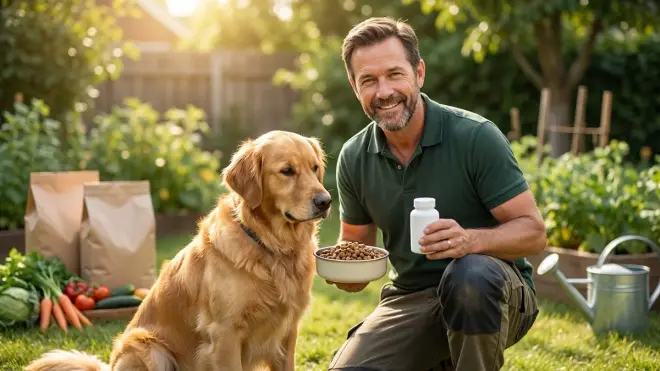
Once the transition is complete and your dog is doing well, keep their digestive system happy with consistent practices.
Feed on a predictable schedule. Two meals per day works well for most adult dogs. Puppies need three to four meals daily, and some small breeds do better with three smaller meals throughout their lives to prevent blood sugar dips. If you're busy and need help maintaining consistency, an automatic dog feeder can help, though you'll need to transition your dog to using it properly.
Store food properly. Exposure to air, light, and moisture degrades nutrients and can lead to rancidity. Keep kibble in an airtight container in a cool, dry place. Don't pour the food directly into the container—keep it in the original bag (which is designed to protect freshness) and place the entire bag in the container. This also lets you reference feeding guidelines and batch numbers if needed.
Dry food typically stays fresh for six weeks after opening. If you buy large bags and your dog is small, the food might go stale before you finish it. In that case, consider buying smaller quantities more frequently.
Limit treats and table scraps. When treats make up more than 10% of your dog's daily calories, you risk unbalancing their nutrition and upsetting their digestion. During training, use low-calorie training treats so you can reward frequently without overdoing it.
Be cautious with sudden additions. Even though your dog has successfully transitioned to new food, their digestive system is now accustomed to that specific formula. Adding new items suddenly—whether that's a different treat, a supplement, or table scraps—can cause the same digestive upset you worked to avoid. Introduce anything new gradually.
Stick with the food once you've transitioned. Constantly switching foods "for variety" isn't necessary for dogs and can lead to chronic digestive sensitivity. Unlike humans, dogs don't need menu variety to be happy. They need consistent, nutritionally complete food that their system tolerates well. If the current food is working, there's no reason to change it unless circumstances require it—like a health condition developing or the manufacturer discontinuing the formula.
Pro Tips & Common Mistakes
Pro tips from two decades of food transitions:
The "bland diet buffer" works wonders for dogs with super sensitive stomachs. On days 1-2 of the transition, add a small amount of plain boiled chicken or white rice to the food mixture. This gives their digestive system something easily processed while they adjust. Gradually reduce the bland addition as you increase the new food ratio.
Buy small bags first. Even if the large bag is more economical, get the smallest size available when trying a new food. You don't want forty pounds of food sitting around if your dog doesn't tolerate it well. Once you know it works, then stock up.
Keep a stool sample handy if you're switching due to digestive issues. If problems continue with the new food, your vet can test the sample for parasites, bacteria, or other issues that food alone won't resolve.
Consider switching at the same time as a routine vet visit, especially for puppies or dogs with health conditions. Your vet can establish baseline health markers, and you'll have professional guidance readily available if issues arise.
Common mistakes that cause problems:
Switching too fast is the number one issue. I understand the temptation—you want your dog on the healthier food now, or you've run out of the old food sooner than expected. But rushing causes the exact digestive issues you're trying to avoid, which means starting over anyway. Slow and steady always wins.
Switching foods constantly never lets your dog's digestive system stabilize. Some owners switch every few months thinking variety is healthier. It's not. It creates chronic digestive sensitivity and makes it impossible to identify whether a food actually works for your dog.
Mixing in too many extras during transition muddies the waters. If you add the new food plus new treats plus some table scraps all in the same week, you won't know what's causing digestive issues if they occur. Change one thing at a time.
Ignoring ingredient quality means you might switch to a food that's not actually better. Just because a bag has nice marketing doesn't mean the ingredients are high-quality. Learn to read labels and understand what you're actually feeding.
Frequently Asked Questions
How long does it take to switch dog food safely?
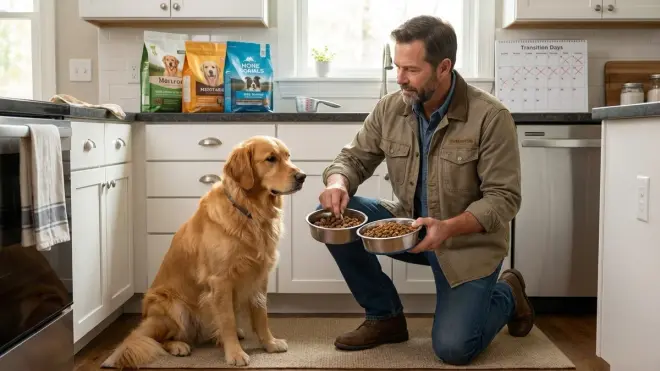
A safe food transition typically takes seven to ten days for most healthy adult dogs, but you should extend it to fourteen days if your dog has a sensitive stomach or is a puppy or senior. The process involves gradually increasing the proportion of new food while decreasing the old food in specific ratios—start with 75% old and 25% new, move to 50/50, then 25% old and 75% new, and finally transition to 100% new food. If your dog shows any digestive upset during the transition, pause at the current ratio for a few days before continuing, even if that means the process takes three weeks or longer.
Can you switch dog food without mixing?
No, you should never switch dog food abruptly without mixing the old and new foods together gradually. An immediate switch can cause digestive upset including diarrhea, vomiting, gas, and loss of appetite because your dog's gut bacteria and digestive enzymes are adapted to their current food and need time to adjust to new ingredients. The only exception is if your veterinarian specifically instructs you to make an immediate switch due to a food-related medical emergency, such as a severe allergic reaction or contamination recall, and even then they'll likely prescribe medications to help manage the transition.
What are the signs my dog isn't tolerating the new food well?
The primary signs your dog isn't tolerating new food include loose stools or diarrhea lasting more than one day, vomiting (especially if it happens more than once), excessive gas or bloating, straining during bowel movements, mucus or blood in stool, and refusing to eat for more than one meal. Additional signs that may develop over several days or weeks include excessive scratching or itching, developing hot spots or skin irritation, dull or thinning coat, lethargy or decreased energy, and noticeable weight loss or gain. If you observe any of these symptoms, pause the transition and return to the previous food ratio that didn't cause problems, and contact your veterinarian if symptoms persist or are severe.
Should I switch my dog's food if they're doing fine on their current food?
You don't need to switch your dog's food if they're thriving on their current formula—meaning they have consistent healthy stools, good energy levels, a shiny coat, healthy skin, and are maintaining an appropriate weight. Dogs don't require dietary variety the way humans do, and unnecessary switching can actually create digestive sensitivity over time. However, you should consider switching if your dog's life stage changes (puppy to adult, adult to senior), if they develop health conditions requiring specialized nutrition, if the current food has quality or safety concerns, or if your veterinarian recommends a change based on your dog's specific health needs.
Summary
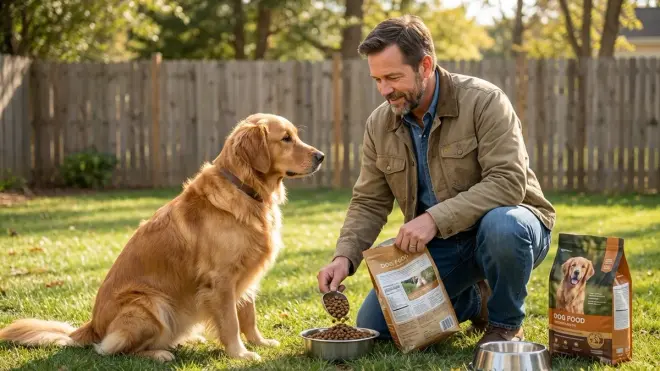
Learning how to switch dog food properly protects your dog from unnecessary digestive upset and sets them up for long-term health on their new formula. The process isn't complicated—it just requires patience and attention to detail.
Start with the right timing when your household is stable, calculate accurate ratios for a gradual seven-to-ten-day transition (longer for sensitive dogs), mix the foods thoroughly, and monitor your dog's stool quality and behavior daily. Adjust the pace based on your individual dog's response, and continue monitoring for two weeks after completing the transition.
Your dog's digestive system will thank you for taking the time to do this right. And honestly, a week and a half of careful mixing is a lot easier than dealing with days of cleaning up diarrhea or making emergency vet visits because you rushed the process.
Follow these steps, trust the process, and you'll both come through the transition successfully.