
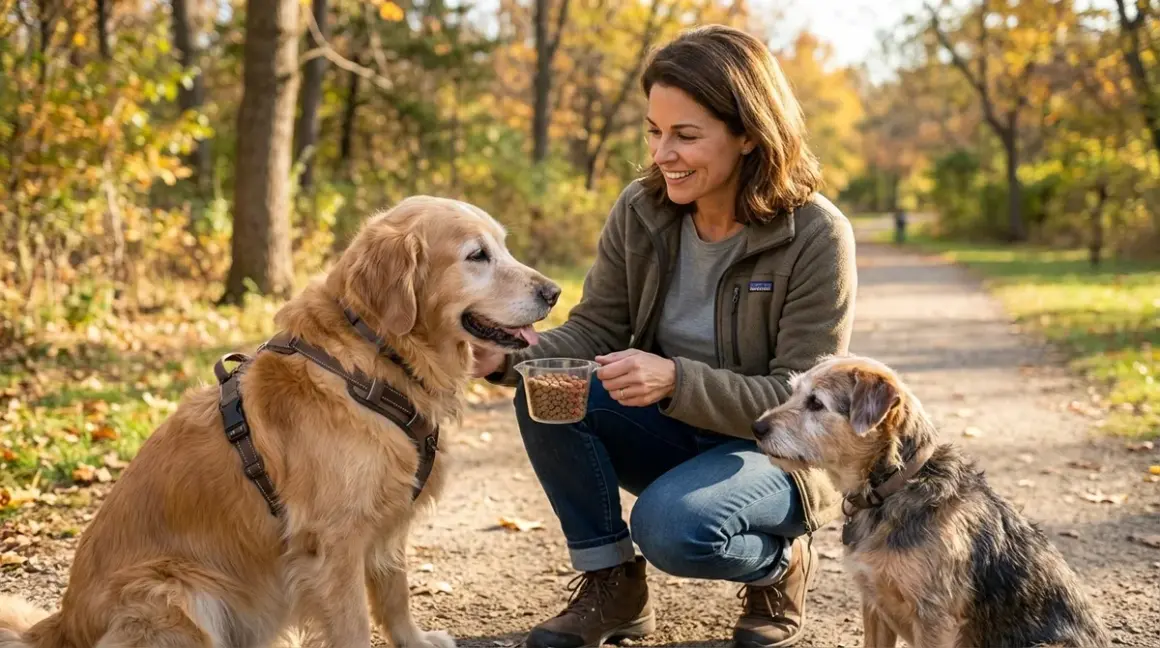

I've been grooming a sixteen-year-old Labrador named Murphy for the past four years, and his owner Lisa came in last spring with a question I hear often: how do you tackle weight loss in elderly dogs without making them miserable? Murphy had packed on fifteen pounds after arthritis slowed his walks, and Lisa was worried—rightfully so—that crash dieting might do more harm than good. Weight loss in elderly dogs requires a completely different approach than what works for younger adults, because senior metabolism, joint health, and medical conditions all change the game. In this guide, I'll walk you through ten practical, vet-informed strategies to help your aging dog shed pounds safely while protecting their quality of life.
1. Start With a Full Veterinary Workup Before Changing Anything
Before you touch a food bowl or leash, book a comprehensive senior wellness exam. Your vet needs to rule out hypothyroidism, Cushing's disease, diabetes, and other conditions that cause weight gain or complicate safe weight loss in elderly dogs.
I learned this the hard way through my own senior shepherd, Bear. I assumed his weight gain was pure lifestyle, but bloodwork revealed thyroid issues that explained everything. The exam should include a complete blood panel, urinalysis, and ideally a body condition score assessment—your vet will palpate ribs, spine, and waist to determine how much weight your dog actually needs to lose. Some dogs look heavy but only need to drop three pounds; others need fifteen. Guessing leads to either inadequate results or dangerous restriction. Ask your vet to calculate a target weight and a realistic timeline—most senior dogs should lose no more than 1-2% of body weight per week, which feels glacially slow but protects muscle mass and organ function. If your dog has mobility challenges from arthritis or joint degeneration, rapid weight loss can actually worsen muscle wasting before the reduced load benefits the joints.
2. Switch to a Veterinary-Formulated Senior Weight Management Food
Generic "light" kibble isn't enough for elderly dogs—you need formulas specifically designed for senior weight loss. These foods balance reduced calories with higher protein to prevent muscle loss, plus added joint support and age-appropriate fiber.
I recommend looking for foods that meet AAFCO standards for senior maintenance while offering 15-20% fewer calories than standard adult formulas. The Hill's Science Diet Perfect Weight Small & Toy Breed Dry Dog Food🛒 Amazon has been my go-to recommendation for clients with smaller seniors—it uses chicken meal and peas for protein density, includes glucosamine and chondroitin for joints, and has a calorie content around 291 kcal per cup, which gives you more volume to work with than ultra-concentrated formulas. For larger breeds, I've seen excellent results with formulas in the 320-340 kcal/cup range that keep protein at 25% or higher. The protein piece matters enormously—senior dogs lose muscle mass naturally through sarcopenia, and calorie restriction accelerates that unless protein intake stays robust. Check the guaranteed analysis on any weight management food and confirm crude protein hits at least 20%, ideally 25-30%. You'll find more guidance on reading labels and choosing appropriate formulas in our complete guide to senior dog nutrition.
One frustration: many weight management foods rely heavily on fiber to create fullness, which can cause gas and loose stools in sensitive seniors. If your dog's digestion gets messy, you may need to trial two or three formulas before finding the right balance.
3. Measure Every Single Meal With a Kitchen Scale, Not a Cup
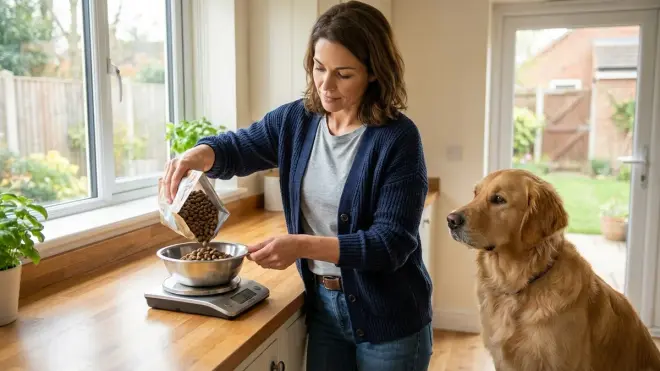
Volumetric measuring cups are wildly inaccurate—you need a digital kitchen scale to portion food by weight. Even careful scooping can lead to 20-30% overfeeding, which completely derails weight loss in elderly dogs.
I keep a cheap digital scale right next to my dogs' food bin, and I weigh every meal to the gram. Here's why it matters: a "cup" of kibble can vary by thirty grams depending on how densely you scoop, and for a twenty-pound senior dog, that's the difference between appropriate calories and a 15% overfeed. When your vet calculates daily calorie needs—let's say 400 kcal for a moderately active senior—you convert that to grams using the food's calorie density. If your kibble is 350 kcal per cup (roughly 100 grams), you'd feed about 114 grams daily, split across two or three meals. Splitting meals helps manage hunger and keeps energy more stable throughout the day, which I've found especially helpful for dogs who get anxious or demanding when food-focused. An automatic feeder with portion control can help if your schedule makes consistent meal timing difficult, though I'd only introduce one after your dog is comfortable with the new food routine—adding too many changes at once creates stress.
4. Replace Half of Training Treats With Fresh Vegetables
Treats are the silent saboteur of canine weight loss—most owners don't count them, but they can add 100-200 calories a day. Swap half your treat volume for low-calorie vegetables to keep training and enrichment alive without blowing the calorie budget.
I use green beans, carrots, cucumber slices, and small chunks of bell pepper for my own dogs during grooming sessions when I need frequent rewards. My terrier mix thinks green beans are premium currency—she'll work just as hard for a crunchy bean as she would for a freeze-dried liver treat. For every ten calories you save on treats, you preserve calories for actual meals, which keeps your dog more satisfied and reduces begging. If your dog needs softer options due to dental issues common in seniors, try steamed sweet potato cubes (cooled) or canned green beans drained and chopped. The key is keeping pieces small—pea-sized for tiny dogs, thumbnail-sized for larger breeds—so you can reward frequently without adding significant volume.
When you do use commercial treats, choose options explicitly formulated as low-calorie training rewards. Look for treats under 3 calories per piece for small dogs, under 5 for medium breeds. Avoid anything with added sugars, molasses, or excessive fat—senior dogs don't need the insulin spike or digestive upset.
5. Spread Meals Across Three or Four Smaller Portions Daily
Feeding one or two large meals leaves senior dogs hungry for long stretches, which increases begging, scavenging, and stress. Dividing the same daily calories into three or four smaller meals stabilizes blood sugar and reduces perceived deprivation.
This was a game-changer for Murphy, the Lab I mentioned earlier. Lisa switched from twice-daily feeding to four small meals—breakfast, late morning, late afternoon, and evening—and within a week, his constant kitchen hovering dropped by half. Smaller, more frequent meals also support dogs with conditions like diabetes or pancreatitis, where blood sugar stability matters. I follow this pattern with Bear, my senior shepherd, and the difference in his demeanor is obvious—he's calmer between meals and less fixated on food.
Practically, this means doing math upfront: if your dog gets 120 grams of kibble daily, you'd portion four 30-gram servings. I prep the next day's meals the night before using small containers, so I'm not measuring multiple times a day. If you're home irregularly, a programmable automatic feeder works, though be aware that some dogs (especially food-motivated breeds) will obsess over the machine between meals. For a detailed walkthrough of introducing automatic feeders to anxious or routine-dependent dogs, our transition guide is helpful.
6. Incorporate Low-Impact Movement Tailored to Joint Limitations
Weight loss in elderly dogs requires movement, but high-impact exercise damages arthritic joints—you need activities that burn calories without grinding cartilage. Swimming, slow leash walks on soft surfaces, and controlled indoor activity work best.
The single best exercise for overweight senior dogs is swimming or underwater treadmill work. Water supports body weight while providing resistance, so your dog gets cardiovascular benefit and calorie burn without joint compression. Many canine rehab centers and some grooming facilities (including the one where I work) offer swim sessions—fifteen to twenty minutes, two to three times weekly, makes a measurable difference. If water access isn't possible, focus on multiple short walks instead of one long trek. Three ten-minute walks spread across the day total the same duration as one thirty-minute walk but allow for rest between sessions and keep metabolic rate elevated longer. Choose grass, dirt trails, or rubberized surfaces over concrete when possible—the cushioning reduces impact.
For dogs with significant mobility restrictions, even standing exercises help. I have clients whose dogs can't walk far but will stand and shift weight from paw to paw for treats, which engages core muscles and burns a few extra calories. You'll find detailed modifications and exercise progressions in our guide on adjusting activity for elderly dogs with physical limitations.
7. Eliminate Free-Feeding and Household Food Scraps Completely
Leaving food available all day or supplementing meals with table scraps makes controlled weight loss impossible. Every bite must be accounted for, and free-feeding prevents that.
This is the hardest change for many families, especially multi-dog households where one dog needs restriction and others don't. I manage this at home by feeding my four dogs in separate spaces—crates, different rooms, or behind baby gates—so I control exactly who eats what. My senior shepherd gets his measured portions; my younger dogs get theirs. No sharing, no stealing. If your household includes people who habitually slip food to the dog (I'm looking at you, well-meaning grandparents and kids), you need a family meeting. Explain that even small scraps—a piece of toast here, a cheese cube there—add up to hundreds of calories weekly and directly harm your dog's health.
When it comes to human food, nothing goes in the dog's bowl unless it's already calculated into the daily calorie budget. If you want to give a special treat, remove an equivalent amount of kibble from the next meal. My rule: every tablespoon of peanut butter (roughly 90 calories) costs about a quarter-cup of kibble for a medium-sized senior formula.
8. Track Progress With Weekly Weigh-Ins and Body Condition Reassessment
Daily weight fluctuations mean nothing—you need weekly tracking to identify real trends in weight loss for elderly dogs. Use the same scale, same time of day, and same feeding state (morning before breakfast works best).
I weigh Bear every Sunday morning before his first meal, logging the number in a simple notebook. Over four weeks, I can see if we're hitting the target 1-2% weekly loss or if I need to adjust intake. For small dogs under twenty pounds, home bathroom scales often lack precision—consider a pet scale or use your vet's scale during regular visits. Beyond the number, reassess body condition monthly by running your hands along ribs, spine, and hips. You should feel ribs easily under a thin fat layer, see a visible waist when viewed from above, and notice an abdominal tuck when viewed from the side. These tactile and visual markers sometimes change before the scale does, especially if your dog is building muscle from increased activity.
If weight plateaus for three consecutive weeks despite strict adherence to the plan, consult your vet before cutting calories further. Plateaus can signal metabolic adaptation, insufficient activity, or undiagnosed conditions. For comprehensive monitoring beyond weight—including dental health, coat quality, and cognitive function—our senior dog health checklist covers the full spectrum.
9. Consider Joint Supplements to Support Increased Activity
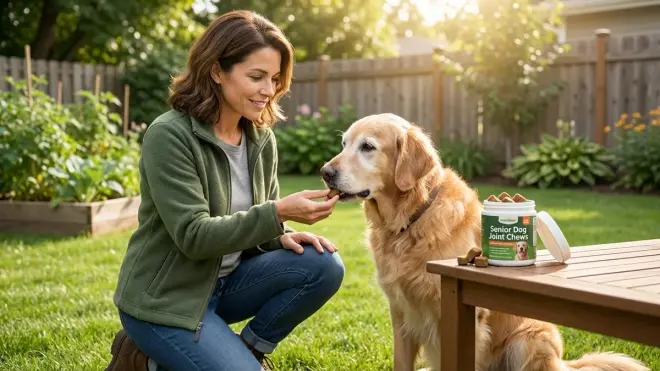
Losing weight helps arthritic joints long-term, but the process of moving more can cause short-term discomfort. Glucosamine, chondroitin, MSM, and omega-3 fatty acids support cartilage health and reduce inflammation during the transition.
I give Bear a daily joint supplement containing glucosamine hydrochloride (500mg), chondroitin sulfate (400mg), and MSM (300mg), plus a separate fish oil capsule for omega-3s. His mobility noticeably improved within six weeks—he's more willing to take the stairs and doesn't limp after morning walks. Many prescription weight management foods already include joint ingredients, but concentrations vary. Check the guaranteed analysis; if glucosamine is below 400mg per cup and your dog eats only one cup daily, supplementation makes sense. The Nutramax Cosequin Maximum Strength Plus MSM Joint Supplement🛒 Amazon is veterinarian-recommended and comes in soft chews most dogs accept readily, though some seniors with severe dental disease may need capsules opened and mixed into food.
One caution: omega-3 supplements add calories—usually 25-40 per capsule—so factor that into the daily budget. I remove about ten grams of kibble to offset the fish oil calories, which still leaves Bear satisfied. More detail on which supplements genuinely help aging dogs (and which are marketing hype) is available in our senior dog supplement breakdown.
10. Adjust Expectations for Dogs With Cognitive Decline or Medical Complexity
Some senior dogs simply can't achieve ideal body weight without compromising quality of life. If your dog has moderate to severe cognitive dysfunction, terminal illness, or conditions requiring corticosteroids, prioritize comfort over numbers.
I groom a fourteen-year-old Cocker Spaniel named Sadie who has canine cognitive dysfunction. Her owner tried a weight loss plan, but Sadie's confusion and anxiety worsened when meal routines changed—she'd pace for hours, unable to settle. Her vet ultimately recommended maintaining current weight rather than pursuing reduction, because the stress outweighed the benefit. Similarly, dogs on prednisone for immune conditions or cancer often experience increased appetite and metabolic changes that make weight loss nearly impossible without severe restriction that tanks their well-being. In these cases, focus on joint support, pain management, and environmental modifications like orthopedic bedding and ramps that reduce physical strain regardless of weight.
This doesn't mean giving up entirely—it means recalibrating goals. Maybe your fifteen-year-old with heart disease won't reach the vet's ideal target, but losing five of the needed fifteen pounds still reduces cardiac workload meaningfully. Work with your vet to define what "good enough" looks like for your specific dog's situation, and give yourself permission to prioritize their remaining time over perfect metrics.
How We Made Our Picks
I built this list from nearly a decade of hands-on grooming work with senior dogs across dozens of breeds, combined with practical experience managing weight and mobility issues in my own senior shepherd. Every recommendation here reflects strategies I've either implemented personally with my four dogs or coached clients through during the hundreds of senior grooming appointments I handle yearly. I prioritized approaches that balance measurable health outcomes—actual weight loss, improved mobility, better bloodwork—with realistic sustainability for everyday owners who don't have unlimited time or budgets.
I cross-referenced my grooming-floor observations with veterinary guidance on senior canine nutrition and current research on age-related metabolism changes. The product recommendations focus on formulas and tools I've watched deliver consistent results without causing digestive upset, refusal to eat, or behavioral regression. I intentionally avoided trendy or extreme approaches—raw feeding, intermittent fasting, boutique grain-free formulas—that lack solid evidence for senior weight management and sometimes introduce risks like nutrient imbalances or cardiac issues. This is about safe, incremental change that respects your dog's age and physical limitations while producing genuine results over weeks and months.
Frequently Asked Questions
How much weight should a senior dog lose per week?
A senior dog should lose no more than 1-2% of their total body weight per week to protect muscle mass and organ function. For a fifty-pound dog, that's half a pound to one pound weekly; for a twenty-pound dog, it's three to six ounces. Faster weight loss risks muscle wasting, metabolic stress, and gallbladder issues, especially in dogs over eight years old or those with existing health conditions.
Can I use puppy food to help my senior dog lose weight?
No, puppy food is inappropriate for senior weight loss because it contains significantly higher calories, fat, and different nutrient ratios designed for growth rather than maintenance. Senior dogs need controlled calories with elevated protein to preserve muscle, plus joint support ingredients like glucosamine—none of which puppy formulas provide in the right balance. Instead, choose a veterinary-formulated senior weight management food that meets your dog's age-specific needs.
How long does it take for a senior dog to lose weight safely?
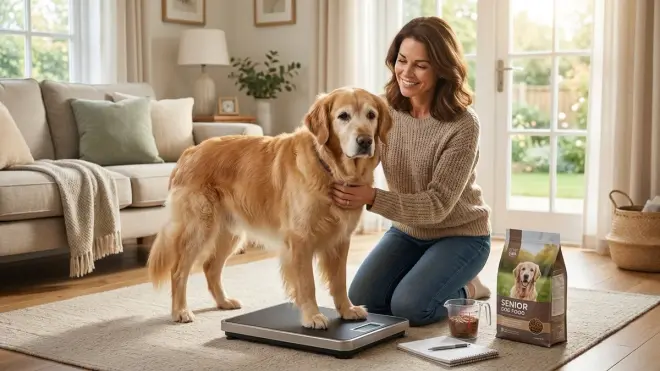
Safe weight loss in elderly dogs typically takes three to six months depending on how much they need to lose and their activity capacity. A dog needing to drop ten pounds might require four to five months at the recommended 1-2% weekly loss rate, while a dog losing five pounds might achieve their goal in two to three months. Slower timelines protect joint health and allow metabolic adjustment without stress.
Should I cut my senior dog's food in half to speed up weight loss?
Absolutely not—cutting food by half creates dangerous caloric restriction that causes muscle loss, nutrient deficiencies, extreme hunger, and potential behavioral problems in senior dogs. Instead, work with your veterinarian to calculate appropriate daily calories based on target weight and activity level, typically reducing intake by 20-30% from current consumption while ensuring minimum protein and nutrient thresholds are met. Gradual, controlled reduction produces sustainable results without harming your dog.
Final Thoughts
Weight loss in elderly dogs demands patience that most of us don't naturally possess—we want to see results next week, not next quarter. But the reality I've witnessed over and over in the grooming shop and at home with Bear is that slow, steady restriction paired with gentle movement gets dogs to healthier weights without destroying their joy or their muscle mass. Murphy, the Lab who started this conversation, took seven months to lose his excess weight, but at the end he was hiking short trails again and playing with toys he'd ignored for a year. Lisa told me it felt glacial while it was happening, but looking back, those seven months bought Murphy better mobility and likely extra time. Your senior dog deserves that same careful, loving approach—not a crash diet that saves time but costs quality of life. For ongoing support as you navigate the full spectrum of senior care beyond weight, our complete guide to aging dog care ties together nutrition, mobility, cognitive health, and comfort modifications into one comprehensive resource.