


I'll be honest with you—when my friend Sarah brought home her rescue lab mix, Rex, she texted me in a panic on day three. "He won't eat, he hides under the bed, and he looks terrified. Did I make a mistake?" I had to gently remind her that new dog behavior first month is almost never the real personality you'll eventually know. Those first thirty days? They're a roller coaster of adjustment, decompression, and trust-building for every dog, whether you've adopted a puppy, an adult, or a senior.
What Is New Dog Behavior in the First Month?
New dog behavior first month refers to the collection of behavioral patterns, emotional responses, and adjustment phases that dogs experience during their initial 30 days in a new home environment. This period represents a critical transition window where dogs are simultaneously processing environmental changes, establishing social bonds, learning household rules, and recovering from whatever stress preceded the move—whether that's shelter life, a previous home, or separation from their mother and littermates.

You'll see behaviors during this time that might never appear again, from extreme shyness to surprising boldness. A dog who seems confident on day one might suddenly become clingy on day seven. Another who barely made eye contact initially might transform into your shadow by week three. This isn't inconsistency—it's the natural process of a dog moving through what behavioral researchers call the decompression period.
The first month isn't just one long adjustment. It's actually several distinct phases that dogs move through at different speeds depending on their age, previous experiences, temperament, and even breed characteristics. Understanding these phases helps you distinguish between temporary adjustment behaviors and potential long-term issues that might need professional intervention.
How New Dog Behavior Unfolds: The First Month Timeline
The adjustment process follows a somewhat predictable pattern, though every dog moves through it at their own pace. Here's what I've learned from watching friends navigate this period (and trust me, as someone who's never owned a dog but has cared for probably two dozen during transitions, I've seen the pattern repeat).
Week One: Shutdown and Observation
The first three to seven days are typically marked by what looks like exceptional behavior—but it's often a dog being too overwhelmed to show their real personality. Many dogs arrive home and immediately seem "perfect": they don't bark, they barely move, they accept whatever you offer without protest. Sarah's Rex spent his first two days under furniture, emerging only for bathroom breaks.
This isn't compliance. It's sensory and emotional overload. Your new dog is processing an entirely new world: different smells (every home has a distinct scent profile that dogs register immediately), new sounds (your refrigerator hum, traffic patterns, neighbor noise), changed routines, and unfamiliar humans. According to the American Veterinary Medical Association, dogs rely heavily on routine and familiar sensory cues for emotional regulation, and the absence of those cues creates significant stress.
Puppies under four months often show less shutdown behavior because they haven't developed the same fear responses as adult dogs, but they'll still be disoriented. You might see excessive sleeping (normal—stress is exhausting), refusal to eat (common for the first 24-48 hours), and minimal interaction with toys or family members.
Week Two: Testing Boundaries
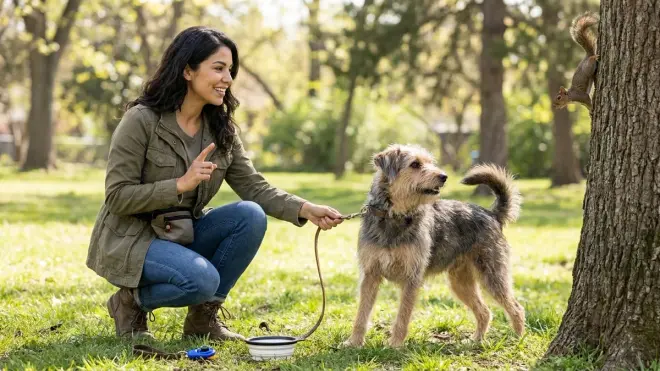
Somewhere around days 7-14, most dogs start showing their actual personality—and this is where things get interesting. The extreme "good" behavior often disappears. Dogs who seemed housetrained might have accidents. The quiet dog might start barking. The one who never jumped on counters suddenly discovers your kitchen.
This is exploratory behavior, not defiance. Your dog is finally comfortable enough to investigate their environment and test what's acceptable. When Rex started this phase, Sarah called me again: "He pulled everything out of the trash! He never did that before!" Well, no—before, he was too stressed to act like himself.
This is actually a positive sign. It means your dog feels safe enough to exhibit natural behaviors. The challenge is that you need to start establishing boundaries without undermining that emerging sense of security. Harsh corrections during this window can send a dog right back into shutdown mode—and many new adopters make this mistake because they panic, thinking they've adopted a "bad" dog.
Week Three: The Honeymoon Might End
Here's the part nobody warns you about adequately: around days 14-21, many dogs show a temporary behavior dip. This is when you might see increased anxiety, reactivity, or stubbornness. A dog who seemed to be settling in beautifully might suddenly regress—more accidents, more barking, more destructive behavior.
Behavioral veterinarians believe this happens because dogs have processed enough of their new reality to realize it's permanent, and that triggers a secondary stress response. It's like when you start a new job and feel fine the first week because you're running on adrenaline, then week three hits and suddenly you're exhausted and overwhelmed because the reality sinks in.
This phase is temporary but requires patience. If you're working on training, you might see your dog "forget" commands they seemed to understand. You might notice increased clinginess (separation anxiety symptoms) or, conversely, more independence and ignoring you. Both are normal. For guidance on basic training during this period, our article on how to train a new dog during the first week covers foundation commands that work even during adjustment phases.
Week Four: Finding Equilibrium
By days 21-30, most dogs start finding their rhythm in your household. This doesn't mean they're fully adjusted (that actually takes closer to three months—check out our explanation of the 3-3-3 rule for rescue dogs), but you'll see more consistent behavior patterns. The personality you see emerging now is much closer to your dog's true temperament.
You'll notice your dog developing routines: they know when meals happen, when walks occur, where they're supposed to sleep. They've figured out the household "rules" even if you haven't explicitly taught them all. They're bonding more noticeably with specific family members (dogs often pick a primary person within the first month, though they can bond with everyone).
This is when training really starts to stick. The dog's stress hormones—primarily cortisol—have dropped enough that their brain can actually process and retain new information effectively. Before this point, you can train, but don't be surprised if progress feels slow or inconsistent.
Why Understanding New Dog Behavior First Month Matters

Here's why this knowledge isn't just interesting trivia—it's genuinely protective for both you and your dog.
First, it prevents premature returns. Shelters report that a significant percentage of adopted dogs are returned within the first month, often with reasons like "not a good fit" or "behavioral issues we didn't expect." Many of those dogs were simply exhibiting normal adjustment behaviors that would have resolved with time. When Sarah understood that Rex's trash-diving was exploration, not a character flaw, she stopped considering returning him and instead managed the environment (securing the trash) while he settled.
Second, it helps you distinguish temporary adjustment behaviors from genuine behavioral concerns that might need professional intervention. A dog who won't eat for two days? Normal adjustment. A dog who won't eat for seven days? Time to consult your veterinarian. A dog who's reactive on leash during week two? Probably stress. A dog who's progressively more reactive by week four? Might need a certified behavior consultant.
Third, it protects the bond you're building. If you misinterpret adjustment behaviors as disobedience or personality traits, you might respond with corrections or frustration that damage your dog's emerging trust. Understanding that your dog isn't being "bad"—they're overwhelmed—changes how you respond, and that patience during the first month creates a foundation for your entire relationship.
Fourth, it informs your training timeline. Knowing that weeks one through three are primarily about decompression helps you set realistic expectations. You can introduce basic routines and boundaries, but expecting complex training or perfect behavior is unfair to your dog. Our guide to puppy training tools can help you identify age-appropriate equipment, and if you're working with a new puppy, our article on how many treats you can safely give during training prevents overfeeding during those frequent early training sessions.
Common Behavioral Patterns in the First 30 Days
Different dogs show different adjustment patterns, but these are the most common behavior categories you'll encounter:
Sleep Disruption and Changes
Expect weird sleep patterns. Your new dog might sleep excessively for the first week (stress exhaustion), then barely sleep during week two (exploratory energy), then struggle with nighttime sleeping during week three (anxiety). Some dogs develop temporary sleep locations—under your bed, in the closet, behind the couch—before finally settling into the bed you've provided. This is normal. They're finding safe spaces while they adjust.
If nighttime barking becomes an issue, our article on why dogs bark at nothing at night covers the surprising reasons behind this behavior, and how to stop dog barking at night offers proven methods that work during the adjustment period.
Appetite Fluctuations

It's completely normal for a new dog to refuse food for 24-48 hours. Their stress response suppresses appetite. By day three or four, most dogs start eating, though they might be pickier than they'll eventually be. Some dogs go the opposite direction and eat ravenously—this is often resource guarding behavior from dogs with previous food insecurity.
If you need to transition your new dog to a different food, our guide on how to switch dog food without digestive issues provides a timeline that works even during the adjustment period, and our article on choosing the right dog food for your dog's needs helps you understand nutritional requirements if your new dog is a puppy, adult, or senior.
Housetraining Regression or Confusion
Even "fully housetrained" adult dogs often have accidents during the first month. New environment means new bathroom cues—they don't know where the door is, they don't know your routine, and their stress might be affecting their digestive system (diarrhea is common in the first week). Puppies under six months obviously won't be reliably housetrained yet anyway.
If you're working on potty training, our articles on dog potty training aids and how to use puppy training spray for success provide tools that can speed up the process, though remember that real consistency usually doesn't emerge until after the first month.
Attachment Behaviors
Your new dog might become your shadow, following you from room to room. Or they might seem indifferent to your presence. Both are normal. Some dogs attach quickly (especially puppies and dogs with previous positive human relationships), while others need weeks to develop trust. Don't take aloofness personally during this period—it's not about you.
Reactivity and Stress Responses
Expect your new dog to be more reactive than they'll eventually be. Noises that won't bother them in three months might cause startle responses now. Other dogs, people, or vehicles might trigger fear or overexcitement. Their stress threshold is lower because they're already operating at a higher baseline stress level.
Frequently Asked Questions
Is it normal for my new dog to hide for the first few days?
Yes, hiding is one of the most common new dog behaviors in the first week. Dogs often seek enclosed, protected spaces when overwhelmed—under beds, in closets, behind furniture, or in crates if provided. This behavior typically peaks in the first 72 hours and gradually diminishes as your dog becomes familiar with household routines and realizes they're safe. Don't force interaction during this phase; instead, ensure your dog has access to water, food, and a bathroom area, and allow them to emerge at their own pace. Most dogs transition from hiding to cautious exploration within 5-7 days, though particularly anxious dogs or those with shelter trauma might need up to two weeks.
When should I start training my new dog?

You can begin establishing basic routines and simple commands from day one, but keep expectations modest during the first two weeks while your dog is still in the primary decompression phase. Focus on teaching your dog their name, establishing feeding and bathroom schedules, and introducing one or two basic commands like "sit" or "come" using positive reinforcement. Avoid intensive training sessions until week three or four when your dog's stress hormones have dropped enough for effective learning. If you're using treats for training, understanding how to use treats effectively prevents confusion and overfeeding during this period. For dogs who seem ready earlier, start with foundation commands, but if your dog seems overwhelmed or struggles to focus, scale back and give them more adjustment time.
My new dog seemed perfect for a week but now has behavior problems—what happened?
This is the classic "two-week shutdown" phenomenon where dogs are initially too overwhelmed to display their actual personality and behaviors. During the first 7-10 days, many dogs are in survival mode, exhibiting unusually compliant behavior because they're uncertain about their environment and too stressed to act naturally. Around days 10-14, as stress decreases and comfort increases, dogs begin showing their real temperament—which includes normal dog behaviors like exploring, testing boundaries, vocalizing, and exhibiting breed-typical traits. This isn't your dog "changing" or revealing hidden problems; it's your dog finally feeling secure enough to be themselves. This phase requires patience and consistent, gentle boundary-setting rather than harsh corrections that could undermine your dog's emerging sense of security.
Should I take my new dog to the vet right away or wait until they're settled?
Schedule a veterinary visit within the first week regardless of adjustment stress, ideally within the first 3-5 days of bringing your dog home. This initial examination establishes baseline health, updates vaccinations if needed, screens for parasites, and allows your vet to identify any medical issues that might be contributing to behavioral concerns (pain, illness, and parasites can all affect behavior during adjustment). Our first vet visit checklist for new dogs covers exactly what to expect and how to prepare. The brief stress of a vet visit is worth the health information you'll gain, and catching medical problems early prevents them from complicating the adjustment process.
How do I know if my new dog's behavior is normal adjustment or a serious problem?

Normal adjustment behaviors improve gradually or fluctuate over the first month, respond to patience and routine, and don't pose safety risks. Warning signs that suggest you need professional help include: aggression that intensifies rather than decreases (biting, lunging, or threatening behavior toward people or other pets), complete refusal to eat for more than 72 hours, inability to be touched or handled without extreme fear responses after two weeks, severe separation anxiety that leads to self-injury or property destruction, or compulsive behaviors like constant pacing, tail-chasing, or excessive licking. If you're unsure, consult a certified professional dog trainer (CPDT) or veterinary behaviorist—it's always better to get guidance early than to wait until behaviors become entrenched. For dogs over seven years old, understanding senior dog behavior patterns can help you distinguish age-related issues from adjustment stress.
Supporting Your Dog Through the First Month
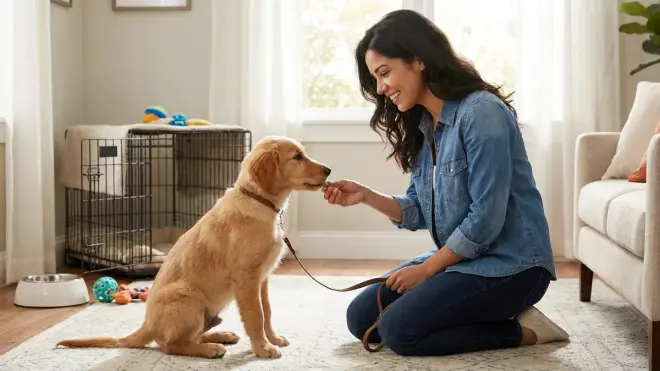
So what do you actually do with all this information? Here's what makes the biggest difference based on what I've watched work (and fail) for friends navigating this period.
Create predictable routines immediately. Dogs find enormous comfort in consistency. Same feeding times, same walk schedule, same bedtime. Even if your dog seems too stressed to care about routines, establish them anyway—their brain is registering the patterns even when they seem disconnected.
Manage the environment rather than correcting the dog. Can't trust your dog around the trash? Put it somewhere inaccessible. Dog chewing furniture? Provide appropriate chew items and block access to tempting areas. Environmental management prevents rehearsal of unwanted behaviors without creating conflict during this sensitive period.
Keep things low-key. I know you're excited about your new dog, but week one isn't the time for dinner parties where everyone meets the dog, trips to the busy dog park, or marathon training sessions. Quiet household, limited visitors, short outings. Think "gentle exposure" rather than "exciting adventures."
Prepare your supplies before your dog arrives. Our new dog checklist covers everything from food bowls to identification tags, and having these items ready reduces your stress, which in turn reduces your dog's stress (they absolutely pick up on your emotional state). For ongoing feeding, if you travel frequently or have an unpredictable schedule, understanding how to transition your dog to an automatic feeder can provide consistency even when your routine isn't.
Focus on trust over training. Yes, introduce basic rules, but your primary goal this first month is building a relationship where your dog sees you as safe and reliable. Every positive interaction—calm petting, gentle play, successful bathroom trips, meals provided on schedule—is a deposit in that trust bank.
Be boringly consistent. Dogs don't need variety during adjustment; they need predictability. Use the same door for bathroom trips. Feed in the same location. Use the same words for the same actions. It feels monotonous to you, but it's deeply reassuring to your dog.
Know when to get help. If you're feeling overwhelmed, if your dog's behavior concerns you, or if you're not seeing any improvement by week four, reach out to professionals. Certified dog trainers, veterinary behaviorists, or even your regular veterinarian can provide guidance tailored to your specific situation. The American Kennel Club maintains directories of certified professionals if you're not sure where to start.
The first month with a new dog isn't always easy—Sarah will tell you that even now, two years later, she remembers those first weeks as stressful and uncertain. But Rex? He's sleeping on her couch right now, completely confident, fully integrated, and showing zero signs of the anxious dog who hid under furniture on day one. That transformation happens for almost every dog, but it requires understanding that new dog behavior first month is temporary, normal, and not a reflection of your dog's eventual personality.
Those thirty days are a bridge between your dog's past and their future with you. Cross it with patience, and you'll find your real dog waiting on the other side.