
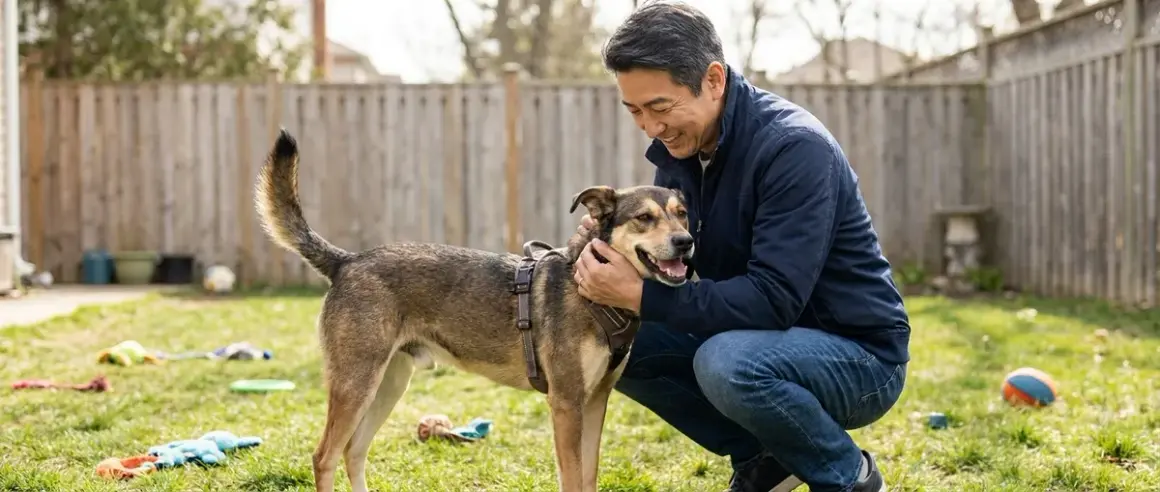

I'll admit upfront—I'm primarily an aquarium guy, and my expertise lives in the world of water chemistry and fish behavior rather than canine psychology. But about eight years ago, my neighbor adopted a skittish border collie mix from a local shelter, and watching that dog transform over the first few months taught me something fundamental that applies across species: adjustment takes time, and it follows predictable patterns. The 3-3-3 rule for rescue dogs is a framework that maps out what to expect during those critical first days, weeks, and months after bringing home an adopted dog. Understanding this timeline can save you from unnecessary worry and help you set realistic expectations as your new companion settles into their forever home.
What Is the 3-3-3 Rule for Rescue Dogs?
The 3-3-3 rule for rescue dogs is a guideline developed by animal behaviorists and shelter professionals to describe the typical adjustment timeline for newly adopted dogs. It breaks down into three phases: three days to decompress and feel overwhelmed, three weeks to start settling into the routine, and three months to fully feel at home and build trust.

This isn't a rigid scientific law—dogs are individuals, after all—but in my experience watching my neighbor's rescue and talking to friends who've adopted, the pattern holds remarkably well. The first three days are usually marked by confusion, stress, and shutdown behavior. The dog is processing an enormous amount of change: new smells, new people, new sounds, new rules. They might not eat much, might hide, or might seem shut down emotionally. It's the canine equivalent of that feeling you get when you move to a completely new city and everything feels foreign.
By three weeks, you'll typically see the dog start to relax. They're learning the household routine—when meals happen, where the water bowl is, which door leads outside. They might start showing more of their actual personality, which can include both positive traits and behavioral challenges that weren't visible during the initial shutdown phase. This is when many adopters get surprised—the quiet, well-behaved dog suddenly starts testing boundaries or showing anxiety behaviors they'd been too stressed to display earlier.
The three-month mark is when most rescue dogs truly settle in. They've learned to trust you, understand the house rules, and feel secure in their environment. The bond you've been building becomes solid, and you start seeing the dog they're going to be long-term.
How the 3-3-3 Rule Works in Practice

Understanding how the 3-3-3 rule for rescue dogs actually plays out day by day helps you respond appropriately instead of panicking when your new dog doesn't immediately act like the family pet you imagined.
The First Three Days: Decompression and Overwhelm
During this initial period, your rescue dog is essentially in survival mode. They've been removed from the shelter environment—which itself was stressful—and dropped into completely unfamiliar territory. Even if your home is objectively wonderful, from the dog's perspective, everything is uncertain.
What I've heard from adopters is that dogs in this phase often refuse food, won't make eye contact, and spend a lot of time hiding or sleeping. Some dogs go the opposite direction and seem hyperactive or overly attached, following their new owner everywhere because they're anxious about being abandoned again. Both reactions are normal stress responses. This is the worst time to introduce the dog to every family member, neighbor, and friend who wants to meet your new pet. The dog needs quiet, predictable interactions, and a safe space where they can retreat.
In my experience with aquariums, this reminds me of how fish behave when you first add them to a new tank—even if the water parameters are perfect, they hide, refuse food, and display stress behaviors until they acclimate. You can't rush it; you just maintain stable conditions and give them time. The same applies here. Keep the environment calm, stick to a simple routine, and don't take it personally if the dog seems indifferent to you.
The First Three Weeks: Settling and Testing Boundaries
Around the two-week mark, most rescue dogs start showing significant behavioral shifts. They're eating reliably, responding to their name, and beginning to understand the household schedule. This is typically when adopters think, "Great, we're through the hard part!"—right before the dog's true personality emerges.
Here's what catches people off guard: behaviors that were suppressed by stress in the first few days often surface now. A dog who seemed perfectly housetrained might have accidents. A dog who was quiet might start barking at sounds outside. Separation anxiety often becomes apparent during this phase. This doesn't mean you got a "bad" dog or that the shelter misrepresented the animal—it means the dog finally feels safe enough to express their actual needs, fears, and behavioral patterns.
This phase is critical for establishing training routines and setting consistent boundaries. The dog is watching and learning constantly: what gets rewarded, what gets ignored, and what the rules are. If you're inconsistent now, you're creating confusion that will persist. On the flip side, this is when positive reinforcement training really starts to stick because the dog is mentally present enough to learn.
It's also when you should schedule that first veterinary visit if you haven't already. Many health or behavioral issues that weren't obvious in the shelter environment become apparent once the dog is in a home setting.
The First Three Months: Building Trust and Showing True Personality
By month three, the dog you're living with is much closer to the dog you'll have long-term. They trust that you're not going anywhere, they understand the household routine, and they've formed attachments to family members. Behavioral issues that are going to be persistent challenges are now clearly visible, which means you can address them with appropriate training tools and professional help if needed.
What I found interesting talking to adopters is that this is often when the dog starts showing affection in ways they didn't before—wanting to cuddle, bringing toys for play, or displaying excited greetings when you come home. The emotional bond solidifies. It's also when many dogs finally relax enough to sleep deeply, play freely, and show joy in their environment.
That said, three months isn't a magic finish line. Some dogs—especially those with significant trauma histories or those adopted as adults with ingrained behavioral patterns—may take six months or even a year to fully settle. Senior dogs often adjust faster because they're typically calmer and less reactive than younger animals, but they may also bring age-related health considerations that affect their adjustment. Puppies are a different category entirely; their adjustment involves not just acclimation but also developmental stages that extend well beyond three months.
Why the 3-3-3 Rule Matters for Adopters

The practical value of understanding the 3-3-3 rule for rescue dogs is that it prevents two common mistakes adopters make: giving up too soon and enabling problematic behaviors by avoiding boundaries.
Managing Your Expectations
If you don't know that the first few days are typically rough, you might interpret normal stress behaviors as signs that you made a bad match. I've heard stories of people returning dogs to shelters within the first week because the dog "wasn't friendly" or "seemed unhappy"—when in reality, the dog was just overwhelmed and needed time. Understanding that decompression takes days, not hours, helps you ride out that initial rough patch.
Similarly, knowing that behavioral challenges often emerge around week two prevents panic when the "perfect" dog you brought home suddenly starts showing issues. It's not that the dog changed—it's that they finally feel secure enough to be themselves. This is actually progress, even though it feels like a setback.
Creating an Appropriate Environment
The 3-3-3 framework guides how you structure the dog's environment during each phase. In the first three days, you're prioritizing safety and calm: limited interactions, a consistent routine, and a quiet space. By three weeks, you're introducing training, socialization, and more normal household activity. At three months, you're fine-tuning the relationship and addressing any persistent challenges with the understanding that this is who your dog is.
Without this framework, many adopters make the mistake of overwhelming a new dog immediately with too much stimulation, thinking they're showing love and welcome. Or they go the opposite direction and tiptoe around the dog indefinitely, never establishing structure. Both approaches can delay adjustment or create behavioral problems.
Building Realistic Bonds
One thing I've learned from fishkeeping is that you can't force a relationship with a living creature—you create conditions where trust can develop naturally over time. The same applies to rescue dogs. The behavioral science behind positive reinforcement training shows that trust and bonding happen through consistent, positive interactions repeated over time, not through grand gestures or forced affection.
The 3-3-3 rule reminds adopters that bonding is a process, not an event. Your rescue dog won't love you on day one, and that's okay. They might not even seem to like you much during that first week. But if you're patient, consistent, and responsive to their needs, the bond develops on its own timeline.
Variations and Individual Differences
While the 3-3-3 rule for rescue dogs is a useful general guideline, real dogs don't read the manual. Several factors can significantly alter the adjustment timeline.
Dog's History and Temperament
A dog who was surrendered by a loving owner due to life circumstances will typically adjust faster than a dog rescued from a hoarding situation or one with a history of abuse. The former already knows what home life looks like and just needs to learn your specific household; the latter may be learning basic concepts like "hands don't hurt" and "food appears regularly."
Similarly, temperament plays a huge role. Confident, resilient dogs bounce back faster. Anxious or reactive dogs may need months longer to decompress fully. Age matters too—senior dogs often settle in quickly because they're past the high-energy testing phase, while adolescent dogs (roughly 6-18 months) can be more challenging as they navigate both adjustment and developmental behavior changes simultaneously.
Your Household Environment
A quiet household with one or two adults and a predictable routine makes adjustment easier than a busy household with multiple children, other pets, and irregular schedules. That doesn't mean high-activity homes can't successfully adopt—it means the 3-3-3 timeline might stretch longer, and you'll need to be more intentional about creating calm spaces and consistent routines.
If you have other dogs, the adjustment involves not just adapting to you but also negotiating social dynamics with resident pets. This can accelerate bonding (if the dogs get along well) or complicate it (if there's tension). Proper introductions and management become critical.
Breed and Energy Level
High-energy breeds like border collies, Australian shepherds, and working-line German shepherds often struggle more with the decompression phase because inactivity stresses them. They need mental and physical outlets even during that first week, which seems contradictory to the "keep things calm" advice. Finding the balance—providing exercise without overwhelming the dog with too many new environments—takes some finesse.
Conversely, lower-energy breeds or mixed breeds with mellow temperaments may sail through the first three days and settle in faster overall. What I've found works, drawing a parallel to my aquarium experience, is observing the individual animal and responding to what you see rather than following a script rigidly.
Frequently Asked Questions
What should I do if my rescue dog isn't eating during the first three days?
It's completely normal for rescue dogs to refuse food or eat very little during the first few days due to stress. Continue offering meals at regular times, but don't force the issue or panic if the dog skips a meal or two. Provide fresh water and consider offering a slightly more enticing option like plain boiled chicken mixed with their regular food. If the dog goes more than 72 hours without eating anything, or if they're lethargic and showing other concerning symptoms, contact your veterinarian immediately as this could indicate illness beyond simple stress.
Can I start training my rescue dog immediately or should I wait?

You should begin establishing structure and basic household rules from day one—things like where the dog is allowed, that jumping on people isn't acceptable, and that calm behavior gets attention. However, intensive training sessions for commands and tricks should generally wait until around the two-week mark when the dog has decompressed enough to actually focus and learn. Light positive reinforcement (rewarding calm behavior, teaching their name, using treats appropriately) can start immediately as long as you're reading the dog's stress signals and not overwhelming them.
What if my rescue dog's behavior gets worse after the first week instead of better?
This is actually a sign of the 3-3-3 rule working as described—the dog feels secure enough to show their true personality, which includes fears, triggers, and behavioral issues that were suppressed by stress initially. Behaviors like separation anxiety, resource guarding, reactivity to other dogs, or house-training failures often emerge around week two or three because the dog finally has enough emotional bandwidth to express them. This doesn't mean you made a mistake; it means you're seeing who your dog actually is, which allows you to address real issues rather than managing a shut-down, stressed animal. Consider consulting with a certified dog behaviorist or trainer if challenging behaviors persist.
Do puppies follow the same 3-3-3 rule as adult rescue dogs?
Puppies have an additional layer of developmental stages happening simultaneously with adjustment, so while they experience a settling-in period, it doesn't follow the same pattern as adult dogs. Young puppies (under 16 weeks) are typically more adaptable and less traumatized by change, but they're also going through critical socialization windows that require active intervention. Adolescent dogs (6-18 months) often follow something closer to the 3-3-3 timeline but with added behavioral challenges from hormones and developmental testing. Puppy-specific considerations around training, socialization, and nutritional needs complicate the adjustment period significantly.
How can I tell if my rescue dog is adjusting normally or if there's a problem?
Normal adjustment includes gradual improvement over time—the dog eating more consistently, showing interest in their environment, responding to their name, and displaying moments of relaxation even if they're still nervous overall. Red flags that warrant professional evaluation include complete refusal of food past 72 hours, aggressive behavior toward household members, self-harm behaviors like excessive licking or chewing to the point of injury, complete inability to settle or constant pacing beyond the first few days, or extreme panic responses to normal household activities. Trust your instincts—if something feels genuinely wrong rather than just "still adjusting," consult your veterinarian or a certified behaviorist.
Summary

The 3-3-3 rule for rescue dogs provides a realistic framework for understanding what to expect during your adopted dog's adjustment period: three days of decompression and overwhelm, three weeks of settling into routine and showing true personality, and three months to build deep trust and fully adapt to their new home. While individual dogs vary based on history, temperament, age, and your household environment, this timeline helps adopters avoid the twin pitfalls of giving up too soon or failing to establish appropriate boundaries. What I've seen work consistently—both in my neighbor's experience and in others' adoption stories—is patience paired with structure: giving the dog time to decompress while maintaining consistent rules and expectations. Your rescue dog didn't become themselves in a day, and they won't become your dog in a day either, but if you understand the process and respect their timeline, you'll build something solid that's worth the initial uncertainty.