
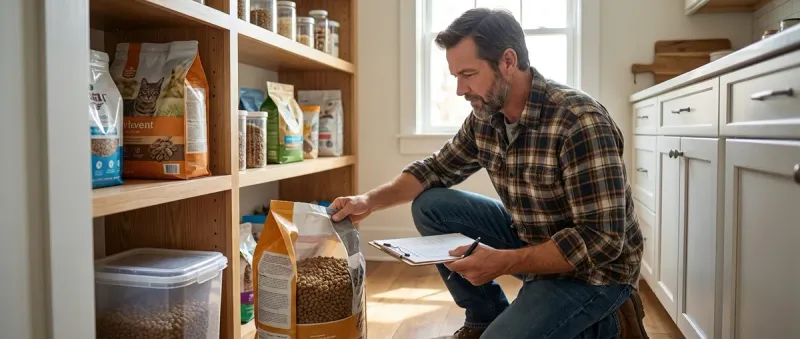

I've spent two decades working with pet nutrition, and here's something that surprises most cat owners: the way you store food matters just as much as what you buy. You can pick the best premium kibble or wet food, but if you're not storing it properly, those essential nutrients start breaking down the moment you open the bag or can. This cat food storage checklist walks you through everything you need to keep your cat's meals fresh, safe, and nutritionally complete—whether you're feeding dry food, wet food, or a combination of both.
This guide is for every cat owner, from those feeding kittens their first solid meals to folks caring for senior cats who need every bit of nutrition they can get. We'll cover the practical stuff that actually makes a difference in your daily routine.
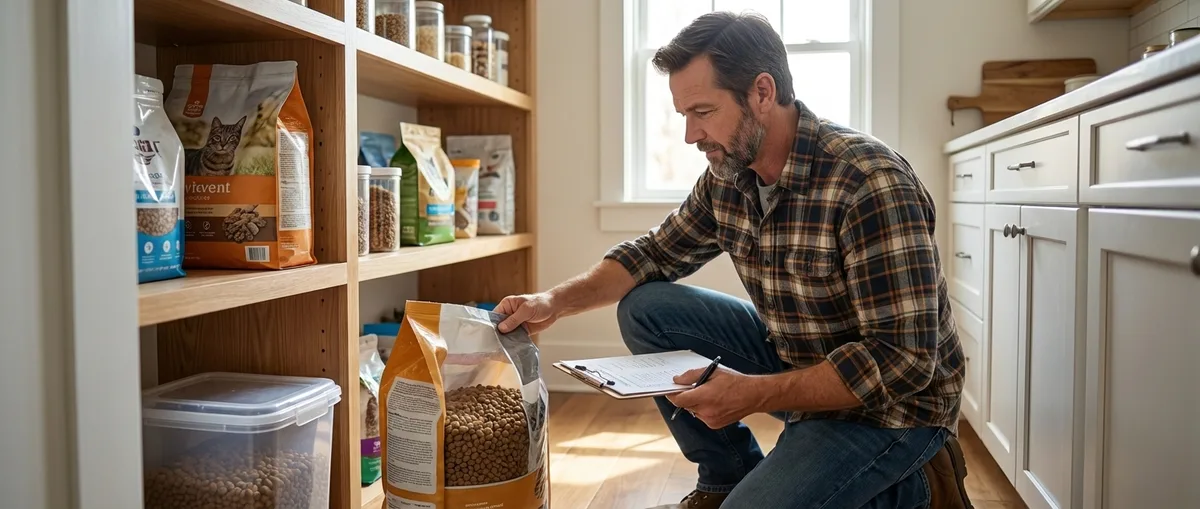
Storage Container Essentials
The container you choose sets the foundation for everything else on this cat food storage checklist.
Airtight seal with gasket or locking mechanism: Look for containers with silicone gaskets or rubber seals that create a true barrier against air and moisture—a loose-fitting lid lets oxygen in, which degrades fats and makes kibble go rancid faster than you'd think.
BPA-free food-grade plastic, stainless steel, or glass construction: These materials won't leach chemicals into your cat's food, and they resist odor absorption better than standard plastics (stainless steel is my top pick because it's nearly indestructible and doesn't hold smells).
Size matches your purchase quantity: If you buy a 15-pound bag, get a container that holds 15-20 pounds—too much empty space means more air exposure, while cramming food into a too-small container can crush kibble and create dust.
Opaque or UV-blocking material: Clear containers look nice on your counter, but light exposure breaks down vitamins A, D, and E along with omega fatty acids—opaque containers protect against this photodegradation.
Wide opening for easy scooping: Narrow openings force you to tilt or shake the container, which breaks kibble into smaller pieces and creates fine particles that oxidize quickly.
Wheels or handles for larger containers: If you're storing 20+ pounds of food, mobility matters—I've seen too many people strain their backs dragging heavy containers across kitchen floors.
Measuring cup clip or built-in scoop holder: Keeping your scoop attached to the container prevents cross-contamination from using it for other purposes and helps you maintain consistent portion sizes.
When you're choosing which cat food formula to stock up on, think about storage from the start. The AAFCO guidelines ensure nutritional adequacy when the food is fresh, but improper storage undermines those standards.
Location and Environmental Controls
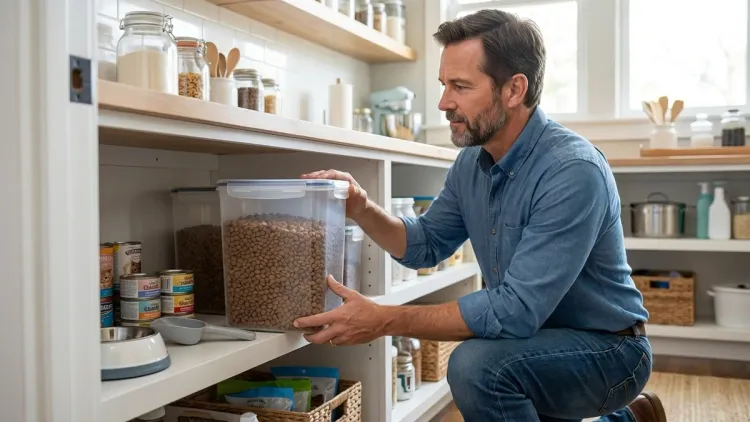
Where you keep your cat's food affects its shelf life more than most people realize.
Cool area between 50-70°F: Heat accelerates fat oxidation and nutrient degradation—storing food near your stove, dishwasher, or in a hot garage can cut freshness time in half.
Away from direct sunlight and heat sources: Even if your container is opaque, ambient heat from nearby appliances or sun-warmed walls raises the internal temperature and creates condensation when temperatures fluctuate.
Low humidity environment (below 60% relative humidity): Moisture is the enemy of dry cat food—it causes mold growth, clumping, and makes kibble soft and unappealing (basements and laundry rooms are usually too humid unless you run a dehumidifier).
Elevated off the floor: Ground-level storage exposes food to temperature swings, potential pest access, and cleaning product splashes—keep containers at least 6 inches off the floor on a shelf or pallet.
Separate from household chemicals: Cat food absorbs odors from nearby cleaners, pesticides, and automotive products through container seams—store in a dedicated pantry or cabinet away from anything with strong chemical smells.
Climate-controlled indoor space: Garages, sheds, and porches experience extreme temperature swings that create condensation inside containers and dramatically shorten shelf life.
The principles here apply whether you're feeding dry kibble or stocking up on wet food—environmental control matters for both formats.
Dry Food Specific Guidelines
Kibble has unique storage needs that many cat owners overlook.
Keep food in original bag inside storage container: The bag's inner lining provides an extra barrier against oxygen and moisture—pouring kibble directly into a container exposes it to residual oils from previous bags that can go rancid.
Fold bag top tightly and secure with clip: Before placing the bag in your container, squeeze out as much air as possible, fold the top three times, and secure with a large binder clip or bag clip.
Use within 4-6 weeks of opening: Once you break the factory seal, oxidation begins—even perfectly stored kibble loses nutritional value and palatability after six weeks (buy sizes your cat will finish in this timeframe).
Check for rancid smell weekly: Fresh kibble has a mild, grain-like smell—if you notice a strong, paint-like odor or your cat suddenly refuses food they normally eat, fats have oxidized and the food should be discarded.
Avoid extreme size bags unless you have multiple cats: Those 30-pound economy bags seem cost-effective, but if you have one or two cats, the last third of the bag will be stale before you reach it—smaller bags cost more per pound but maintain better quality.
Wipe container interior between bags: Before adding a new bag, empty any remaining kibble dust, wash the container with mild soap, rinse thoroughly, and dry completely—this prevents old oils from contaminating fresh food.
Record open date on bag or container: Write the date you opened the bag with a permanent marker—this simple step prevents you from keeping food past its prime freshness window.
Understanding essential nutrients in cat food helps you appreciate why storage matters—proteins, fats, and vitamins are all vulnerable to degradation when exposed to air, light, and heat.
Wet Food Storage Protocols
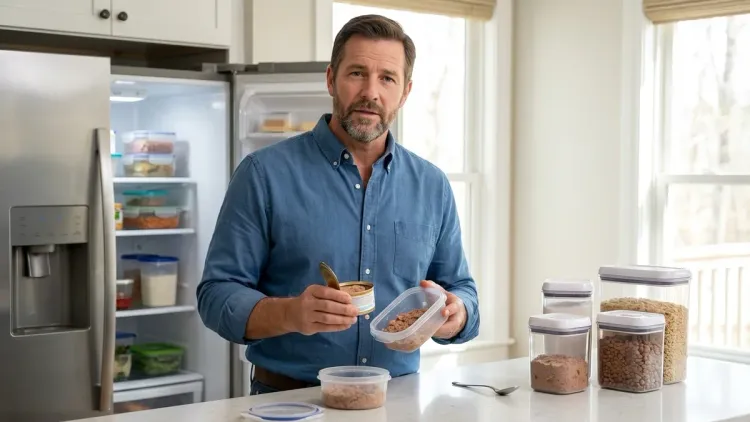
Canned and pouch food requires different handling than dry kibble.
Unopened cans stored in cool, dry pantry: Intact cans are shelf-stable for years when kept at room temperature away from heat sources—check the "best by" date and rotate stock so you use oldest cans first.
Refrigerate opened cans immediately: Transfer unused portions to an airtight container and refrigerate within 30 minutes—wet food left at room temperature becomes a bacterial breeding ground after two hours.
Glass or BPA-free plastic storage for leftovers: Don't leave wet food in the opened can—the exposed metal surface can affect taste and potentially transfer metallic compounds (glass containers with snap-on lids work perfectly).
Use refrigerated portions within 3-5 days: Mark the container with the date you opened the can—wet food loses palatability and develops off-odors after five days even when properly refrigerated.
Bring to room temperature before serving: Cold food from the fridge can upset sensitive cats' stomachs and reduces aroma—let refrigerated portions sit out for 15-20 minutes or add a tablespoon of warm water.
Check can integrity before opening: Dented, bulging, or rusty cans may have compromised seals that allow bacterial contamination—when in doubt, throw it out.
Store pouches upright in shallow bins: Pouches can develop leaks if stacked haphazardly—keep them upright in a container that prevents them from falling over and potentially puncturing.
When you're comparing wet versus dry food for your cat, factor in the storage differences—wet food requires more refrigerator space and daily handling, while dry food needs proper containers and environmental control.
Safety and Quality Monitoring
Regular checks catch problems before they affect your cat's health.
Inspect for insects, webbing, or larvae: Pantry moths, weevils, and other pests can infest dry cat food—check corners and seams monthly for tiny moths, webbing, or moving specks (if you spot any, discard the entire bag immediately).
Feel for clumping, moisture, or texture changes: Kibble should flow freely and feel dry—sticky clumps, soft pieces, or moisture in the bag indicate humidity exposure and potential mold growth.
Verify "best by" dates at purchase and before feeding: Don't buy bags that expire within 6-8 weeks unless you have multiple cats who'll finish it quickly—check dates on your current supply monthly.
Watch for color fading or unusual discoloration: Kibble that's turned pale, developed dark spots, or looks different from fresh food may have oxidized fats or mold growth.
Monitor your cat's eating behavior: Sudden food refusal, eating less than normal, or picking through their bowl can signal that the food has gone off—cats have more sensitive smell than we do and detect rancidity before we notice it.
Clean food bowls daily with hot soapy water: Residual oils from wet food or kibble turn rancid in bowls and can spoil fresh food—use separate bowls for wet and dry food if you feed both.
Replace storage containers every 2-3 years: Even with regular cleaning, food oils saturate plastic containers over time and eventually go rancid—stainless steel lasts longer but check gaskets and seals annually.
Photograph or keep packaging for ingredient reference: If your cat has a reaction or the formula changes, having the original packaging helps your veterinarian and the manufacturer identify potential issues—snap a photo of the ingredient panel and production codes before recycling.
This monitoring approach works for any feeding strategy, including when you're transitioning between foods—watch for changes in your cat's response to the food throughout the bag.
Purchase and Rotation Strategies
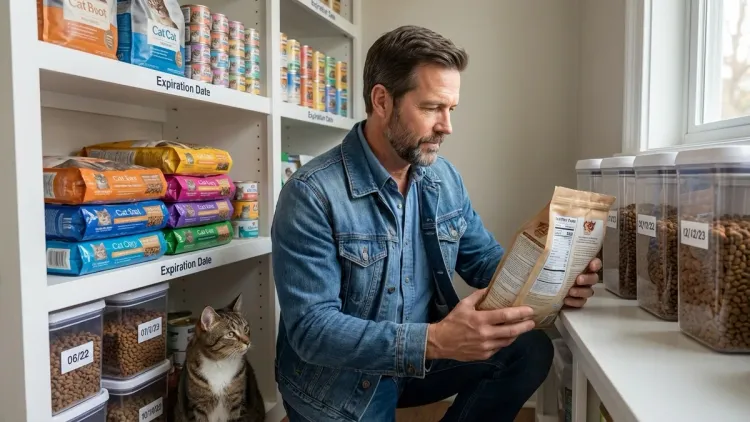
Smart buying habits extend freshness before you even open the bag.
Buy quantities your cat consumes in 4-6 weeks: Calculate your cat's daily intake and choose bag sizes accordingly—a 10-pound adult cat eating 1/2 cup daily needs about 12-15 pounds per month (accounting for feeding variations).
Check manufacturing date codes, not just "best by" dates: Production dates are usually stamped or printed near the expiration date—fresher is better, so choose bags manufactured most recently.
Rotate stock using "first in, first out" method: When you buy new bags, move older stock to the front—this prevents accidentally keeping food past its prime while newer bags sit unused.
Purchase from high-turnover retailers: Stores that sell lots of cat food rotate inventory faster—small pet shops or low-traffic stores may have bags sitting on shelves for months.
Inspect bags for tears, holes, or compromised seals before buying: A small puncture you don't notice at checkout lets air in and starts the oxidation clock—check seams and corners carefully.
Consider smaller bags for variety feeding: If you rotate between formulas to provide dietary variety (a strategy some veterinary nutritionists recommend), buy 3-5 pound bags of each—this keeps all formulas fresher than opening multiple large bags simultaneously.
When you're deciding between grain-free and grain-inclusive formulas, factor in storage time—some grain-free foods with higher fat content may have shorter optimal freshness windows than grain-inclusive formulas.
Final Check Before You Go
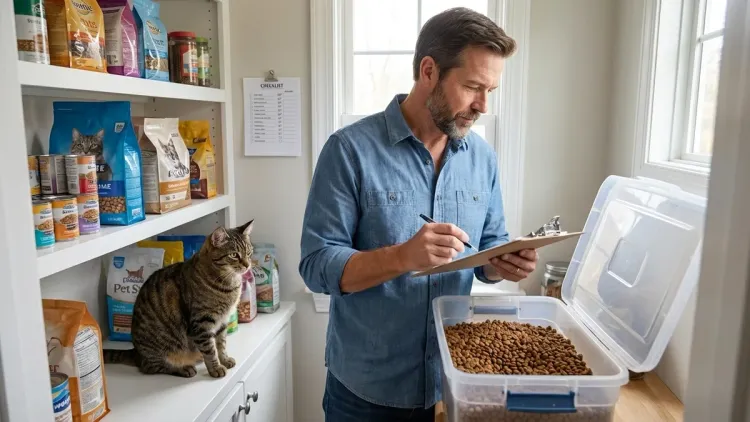
Here's your cat food storage checklist in quick-reference format. Run through these points monthly:
Container Setup
- ✓ Airtight seal with intact gasket
- ✓ BPA-free, food-grade material
- ✓ Correct size for purchase quantity
- ✓ Opaque or UV-blocking
- ✓ Clean interior with no residual oils
Storage Location
- ✓ Temperature between 50-70°F
- ✓ No direct sunlight exposure
- ✓ Humidity below 60%
- ✓ Elevated off floor
- ✓ Away from chemicals and heat sources
Dry Food Management
- ✓ Original bag inside container
- ✓ Bag top folded and clipped
- ✓ Open date recorded
- ✓ Will be used within 4-6 weeks
- ✓ No rancid smell or texture changes
Wet Food Handling
- ✓ Unopened cans in cool pantry
- ✓ Opened portions in airtight containers
- ✓ Refrigerated within 30 minutes
- ✓ Use within 3-5 days
- ✓ Warmed to room temperature before serving
Quality Monitoring
- ✓ No pests, webbing, or insects
- ✓ No clumping or moisture
- ✓ "Best by" dates checked
- ✓ Cat eating normally
- ✓ Bowls cleaned daily
Understanding how to read cat food labels helps you make informed choices at the store, but proper storage ensures those quality ingredients actually reach your cat in optimal condition.
Frequently Asked Questions
How long can cat food stay fresh in an opened bag?
Dry cat food maintains optimal freshness for 4-6 weeks after opening the bag, provided you store it in an airtight container in a cool, dry location away from heat and light—beyond six weeks, fats begin to oxidize noticeably, vitamins degrade, and palatability decreases even when the food appears fine. For wet food, unopened cans or pouches remain shelf-stable until the "best by" date, but once opened, you must refrigerate unused portions in an airtight container and use them within 3-5 days for safety and quality.
Can I freeze cat food to extend its shelf life?
You can freeze wet cat food in airtight containers or freezer bags for up to 3-4 months, which works well if you buy in bulk or your cat doesn't finish portions—thaw frozen wet food overnight in the refrigerator and use within 24 hours after thawing. Freezing dry cat food is not recommended because the freeze-thaw cycle creates condensation that introduces moisture into the kibble, promoting mold growth and texture degradation—proper dry storage in airtight containers at room temperature is more effective for kibble.
What's the best way to tell if cat food has gone bad?
Fresh cat food should have a mild, grain-like smell for kibble or a meaty aroma for wet food—if you notice a sharp, paint-like, or sour smell, the fats have oxidized or bacterial growth has begun and you should discard the food immediately. Visual signs include mold (fuzzy spots in any color), unusual discoloration, moisture or clumping in dry food, or separation and film development in wet food, and behavioral cues like your cat suddenly refusing food they normally eat often indicates spoilage before human senses detect it.
Final Thoughts
Storage might not seem as exciting as picking the perfect formula or shopping for new bowls, but it's the bridge between buying quality nutrition and actually delivering it to your cat. I've worked with enough pet owners to know that the small details—the right container, the cool storage spot, the weekly smell check—add up to real health benefits over your cat's lifetime.
Your cat food storage checklist doesn't have to be complicated. Start with a good airtight container, find a cool spot away from heat and light, and pay attention to how your cat responds to their food throughout each bag. Those three things alone will put you ahead of most cat owners.
The cats I've known over the years—including my own—have taught me that they notice quality. They might not be able to tell you when food's gone a bit stale, but they'll show you by eating less or walking away from their bowl. Give them the fresh, nutritionally complete meals they deserve by putting these storage practices into place starting today.