
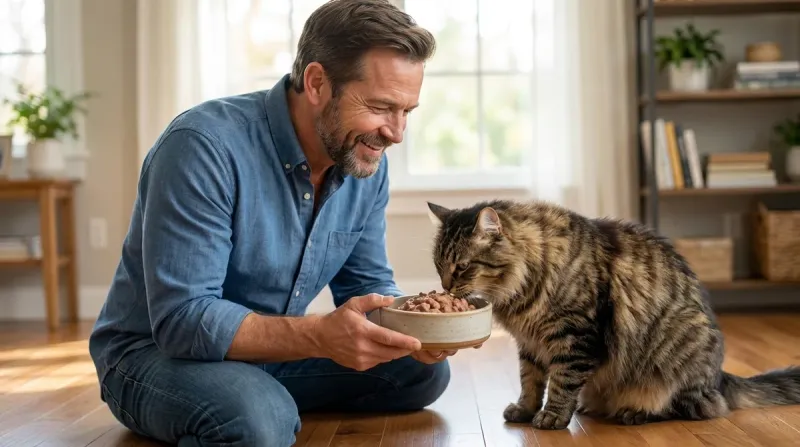

You've probably seen your cat turn up their nose at a perfectly good bowl of food more times than you can count. I work mostly with dogs, but I've spent enough time around cats—and cat owners—to know that choosing the best wet cat food isn't just about nutrition. It's about finding something your feline will actually eat, day after day, while giving them the moisture and protein their bodies need. Quick verdict: Look for formulas with real meat as the first ingredient, AAFCO certification, and moisture content above 75%, and you'll be on the right track.
Here's what usually works. Cats are obligate carnivores—they need animal protein to thrive, not fillers or plant-based substitutes. Wet food delivers that protein along with hydration that many cats don't get enough of, especially if they're picky about drinking water. The right wet food can support kidney health, maintain healthy weight, and keep your cat's coat shiny.
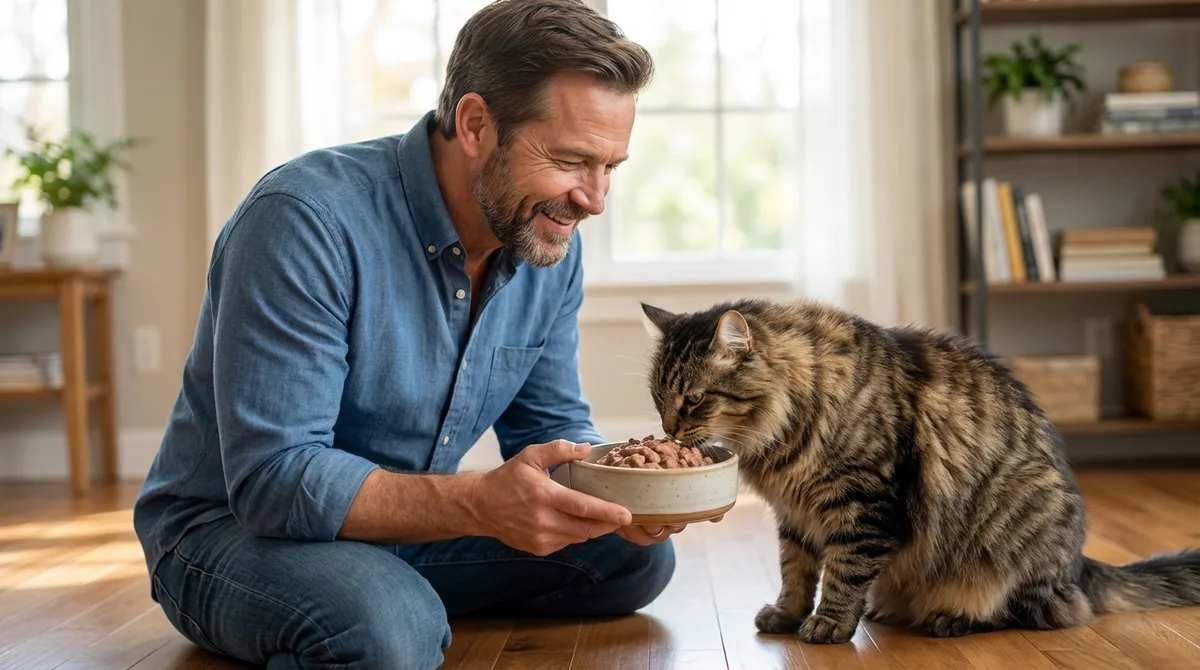
The challenge? The pet food market is flooded with options, and not all wet cat foods are created equal. Some are packed with quality ingredients and transparent sourcing. Others are mostly gravy and mystery meat. Let's break down what actually matters when you're standing in that pet food aisle trying to make the best choice for your cat.
What to Look For in the Best Wet Cat Food
Protein Source and Content
The first ingredient on the label should be a named animal protein—chicken, turkey, salmon, beef, or another specific meat. Not "meat by-products" or "animal digest." You want to know exactly what your cat is eating.
Most quality wet cat foods contain 10-12% protein on a guaranteed analysis basis, which translates to about 40-50% protein on a dry matter basis once you account for moisture. That's what cats need as obligate carnivores. Their bodies are designed to extract energy from animal protein and fat, not carbohydrates.
I've seen cats transform when their owners switch from low-quality food to protein-rich formulas. Their energy improves, their coats get shinier, and they actually seem more satisfied after meals. That's because they're getting nutrients their bodies can actually use.
Moisture Content and Hydration Benefits
Wet cat food typically contains 70-85% moisture, which is a huge advantage for cats who don't drink enough water. Chronic dehydration is common in cats and can lead to kidney disease, urinary tract issues, and crystals in the bladder.
Cats evolved in desert environments, getting most of their water from prey. Dry food just doesn't match their natural hydration needs. Wet food does. Even if your cat drinks from their water bowl regularly, the moisture in wet food adds an extra layer of protection for their urinary and kidney health.
Look for formulas with moisture content above 75% if hydration is a priority—and honestly, it should be for every cat, especially senior cats or those with a history of urinary issues.
AAFCO Certification and Nutritional Adequacy
The Association of American Feed Control Officials (AAFCO) sets nutritional standards for pet food. You want to see a statement on the label that says the food meets AAFCO nutritional profiles for your cat's life stage—kitten, adult, or senior.
This certification means the food has either passed feeding trials or meets formulated nutritional profiles. It's not a perfect system, but it's the baseline standard in the industry. Foods without AAFCO certification should be used only as treats or toppers, not as complete meals.
For more on what AAFCO means for your cat's diet, check out our guide on what is AAFCO certification and why it matters for cat food.
Ingredient Quality and Additives
Read past the first few ingredients. Quality wet cat foods avoid artificial colors, flavors, and chemical preservatives like BHA, BHT, or ethoxyquin. Instead, they use natural preservatives like mixed tocopherols (vitamin E) or rosemary extract.
Carrageenan is a common thickener in wet cat food, but some studies suggest it may cause inflammation in sensitive cats. Not every cat reacts to it, but if your cat has digestive issues, choosing carrageenan-free options might help.
Grain-free isn't necessarily better for cats—unlike dogs, there's no proven link between grain-free diets and heart disease in felines. What matters more is the overall protein content and ingredient quality. Some cats do have grain sensitivities, but most can handle small amounts of rice or other digestible grains just fine. For a deeper dive on this topic, see our comparison of grain-free vs grain-inclusive cat food.
Texture and Palatability
Cats are notoriously picky. Some prefer pâté, others like shredded meat in gravy, and some only eat flaked textures. There's no universal "best" texture—it's about what your cat will actually eat consistently.
Pâté is smooth and uniform, often easier for senior cats or those with dental issues. Shredded or flaked formulas have more texture and can be more appealing to cats who like to "hunt" their food. Chunks in gravy offer both textures but can sometimes be mostly gravy with minimal actual meat.
If your cat refuses one texture, don't give up on wet food entirely. Try a different format from the same brand or switch to a different protein source. Sometimes it takes a few tries to find what clicks.
Life Stage Considerations
Kittens need higher calories and specific nutrients like DHA for brain development. Look for formulas labeled specifically for kittens or "all life stages."
Adult cats (1-7 years) need balanced nutrition with moderate calories to maintain healthy weight. Most wet cat foods are formulated for adult maintenance.
Senior cats (7+ years) often benefit from lower phosphorus levels to support kidney health and added joint support ingredients like glucosamine. They may also need softer textures if dental health is declining.
Understanding these nutritional differences helps you choose food that matches your cat's specific needs at each stage of life. For broader guidance on feline nutrition, our article on essential nutrients in cat food breaks down what obligate carnivores really need.
Our Top Picks for the Best Wet Cat Food
Wellness CORE Grain-Free Turkey & Chicken Liver Pâté
The Wellness CORE Grain-Free Turkey & Chicken Liver Pâté Cat Food🛒 Amazon delivers 11% protein and 78% moisture in a smooth pâté texture that most cats find irresistible. Real turkey is the first ingredient, followed by chicken liver for added flavor and nutrients. This formula includes taurine (essential for heart health), omega fatty acids for coat health, and no artificial preservatives.
Wellness CORE is AAFCO-certified for adult cats and uses cranberries to support urinary tract health—a nice bonus for cats prone to crystals or infections. The ingredient list is transparent, and the company has a solid reputation for quality control.
Pros:
- High protein content from named meat sources
- Grain-free without unnecessary fillers
- Smooth pâté texture works for most cats
- Added taurine and omega-3s
- No carrageenan
Cons:
- Pricier than budget options
- The turkey-heavy formula may not appeal to fish-loving cats
- Some cats find pâté less interesting than shredded textures
Tiki Cat Puka Puka Luau Wild Salmon in Salmon Consommé
The Tiki Cat Puka Puka Luau Wild Salmon in Salmon Consommé🛒 Amazon is about as close to whole-food cat nutrition as you'll find in a can. It contains 94% wild-caught salmon with minimal processing—you can literally see flaked fish pieces in the can. The moisture content hits 82%, and there are no grains, potatoes, carrageenan, or gums.
This is a great option for cats who love fish and need extra hydration. The salmon consommé (a fancy way of saying concentrated salmon broth) adds natural flavor without artificial additives. It's AAFCO-certified for adult maintenance.
Pros:
- Extremely high protein and minimal ingredients
- Real, visible pieces of wild salmon
- No thickeners or unnecessary additives
- High moisture content for hydration
- Grain-free and highly digestible
Cons:
- Premium price point reflects the quality
- The thin consistency means less food per can compared to pâtés
- Strong fish smell may bother some owners
Hill's Science Diet Adult 7+ Chicken Recipe
The Hill's Science Diet Adult 7+ Chicken Recipe Canned Cat Food🛒 Amazon is specifically formulated for senior cats with adjusted protein and phosphorus levels to support aging kidneys. It contains real chicken as the first ingredient, plus added vitamins E and C for immune support and omega-6 fatty acids for skin and coat health.
Hill's is a veterinarian-recommended brand with rigorous quality testing. The formula is AAFCO-certified for senior cats and includes glucosamine for joint health—something aging cats genuinely need. The texture is a fine pâté that's easy for older cats to eat even with dental issues.
Pros:
- Tailored nutrition for senior cats
- Lower phosphorus to support kidney function
- Veterinarian-recommended brand
- Added joint support ingredients
- Widely available at most pet stores
Cons:
- Contains some grain ingredients (rice, wheat gluten) which some cats may be sensitive to
- Not as protein-dense as some premium options
- The bland pâté texture may not excite picky eaters
Weruva Cats in the Kitchen Chicken Frick 'A Zee
The Weruva Cats in the Kitchen Chicken Frick 'A Zee Canned Cat Food🛒 Amazon features boneless, skinless white breast chicken in a hydrating au jus. It's human-grade quality—literally made in a facility that processes human food. The ingredient list is refreshingly short: chicken, chicken broth, and a few vitamins and minerals. That's it.
Weruva's shredded texture appeals to cats who like to see and feel real meat pieces. The moisture content is around 80%, and there are no grains, gluten, carrageenan, or gums. It's AAFCO-certified for adult maintenance and comes in BPA-free pouches.
Pros:
- Human-grade ingredients and processing
- Minimal, transparent ingredient list
- Shredded texture appeals to texture-sensitive cats
- High moisture and protein content
- Made in Thailand using human food facility standards
Cons:
- The au jus consistency is thin—some cats eat around it
- More expensive per serving than most competitors
- Not ideal for kittens or seniors needing specific formulations
Fancy Feast Gravy Lovers Poultry & Beef Feast Collection
The Fancy Feast Gravy Lovers Poultry & Beef Feast Collection🛒 Amazon offers variety and affordability without completely sacrificing quality. Each 3-ounce can contains small chunks of chicken, turkey, or beef in gravy with around 10% protein and 78% moisture. It's AAFCO-certified for adult cats and includes essential vitamins and minerals.
This isn't the highest-quality food on the market, but it's a solid middle-ground option for cat owners on a budget who still want to feed wet food. The variety pack helps prevent flavor fatigue, and most cats find the gravy-heavy format palatable.
Pros:
- Budget-friendly for daily feeding
- Variety pack prevents meal boredom
- Widely available at grocery stores
- Most cats enjoy the gravy-rich format
- Smaller 3-ounce cans reduce waste for single-cat households
Cons:
- Contains meat by-products rather than named whole meats
- More gravy than actual protein chunks in many formulas
- Includes artificial coloring (Red 3, Yellow 5, Blue 2) and carrageenan
- Lower protein content than premium brands
Nom Nom Chicken Chow Meow Fresh Cat Food
The Nom Nom Chicken Chow Meow Fresh Cat Food🛒 Amazon arrives refrigerated in pre-portioned pouches. It's made from restaurant-quality chicken breast, chicken liver, asparagus, and carrots with added vitamins and minerals. The food is gently cooked and never frozen, preserving more nutrients than traditional canned foods.
This is the freshest option on our list and shows in the ingredient quality and texture. The chicken pieces look and smell like actual cooked chicken, not processed mystery meat. It's AAFCO-certified and formulated by veterinary nutritionists. The downside? It requires refrigerator space and comes with a subscription model.
Pros:
- Restaurant-quality whole food ingredients
- Fresh, never frozen preparation
- Pre-portioned pouches reduce waste and guesswork
- Formulated by board-certified veterinary nutritionists
- Very high digestibility and palatability
Cons:
- Most expensive option by far (delivered subscription-based)
- Requires refrigerator storage and quick use after opening
- Not available in physical stores—delivery only
- The subscription model won't work for everyone
Frequently Asked Questions
Is wet cat food better than dry food for cats?
Wet cat food is generally better for hydration, which is critical for cats' urinary and kidney health. Cats naturally have a low thirst drive and evolved to get most of their water from prey. Wet food mimics this natural moisture intake with 70-85% water content compared to just 10% in dry kibble. For cats prone to urinary crystals, kidney disease, or those who simply don't drink enough water, wet food provides significant health benefits. That said, some cats do well on a combination of wet and dry food. The key is ensuring your cat gets adequate hydration and high-quality protein, whether from wet food, dry food, or both. For a complete comparison, see our article on wet vs dry cat food.
How much wet cat food should I feed my cat daily?
Most adult cats need approximately 5-6 ounces of wet food daily per 8-10 pounds of body weight, split into two or three meals. A typical 10-pound adult cat would eat around 5-6 ounces total—roughly two 3-ounce cans or one 5.5-ounce can per day. However, this varies based on your cat's age, activity level, metabolism, and whether you're feeding exclusively wet food or combining it with dry kibble. Kittens need more calories per pound since they're growing, while senior or less active cats may need slightly less. Always check the feeding guidelines on your specific food's label and adjust portions based on your cat's body condition. If you're unsure, your veterinarian can help calculate your cat's ideal daily caloric intake.
Can I mix different brands of wet cat food together?
Yes, you can safely mix different brands or flavors of wet cat food as long as both are AAFCO-certified for complete and balanced nutrition. Mixing brands can help prevent flavor fatigue and provide dietary variety, which many cats appreciate. However, when introducing new foods, do it gradually over 7-10 days to avoid digestive upset—mix a small amount of the new food with the old, gradually increasing the ratio of new to old. Some cats have sensitive stomachs and may develop diarrhea or vomiting if you switch foods too abruptly. If you're transitioning foods permanently, our guide on the complete cat food transition checklist walks you through the process step by step. Also, avoid mixing therapeutic prescription foods with regular foods unless your veterinarian specifically approves it.
Should I refrigerate leftover wet cat food?
Yes, always refrigerate opened wet cat food within two hours of serving, and use it within 2-3 days maximum. Cat food left at room temperature for more than 2-4 hours can develop harmful bacteria, especially in warm environments. Store opened cans or pouches in the refrigerator in a sealed container or covered with plastic wrap. Before serving refrigerated food, let it sit at room temperature for 10-15 minutes or warm it briefly in the microwave (5-10 seconds, stirring to eliminate hot spots) since most cats prefer food at or slightly below body temperature. Never leave wet food in your cat's bowl all day—after 30-60 minutes at room temperature, discard any uneaten portion. For more detailed storage guidance, check out our cat food storage and freshness checklist.
Do cats need grain-free wet food?
Most cats don't need grain-free food unless they have a specific grain allergy or sensitivity, which is actually quite rare in felines. Cats are obligate carnivores, meaning they need high animal protein, but small amounts of grains like rice or oats won't harm healthy cats and can provide some digestible carbohydrates. The grain-free trend is largely a marketing response to the (legitimate) concerns about grain-free dog food and heart disease—but that link hasn't been established in cats. What matters far more than grain-free labeling is the overall protein quality and percentage. A grain-inclusive food with 12% high-quality animal protein will serve your cat better than a grain-free food with 8% protein and lots of plant-based fillers. Focus on named meat sources as the first ingredients and appropriate moisture content rather than getting caught up in grain-free marketing. Our comparison of grain-free vs grain-inclusive cat food offers more detail on this topic.
The Verdict
The best wet cat food balances quality protein sources, adequate moisture, AAFCO certification, and—let's be honest—your cat's personal preferences. You can buy the most expensive, perfectly formulated food available, but if your cat won't eat it consistently, it doesn't matter.
Start with one of the options above that fits your budget and your cat's life stage. If your cat is an adult with no specific health concerns, Wellness CORE or Weruva offer excellent quality at reasonable prices. For senior cats, Hill's Science Diet provides targeted nutrition for aging bodies. If budget is tight but you still want wet food, Fancy Feast gets the job done without breaking the bank. And if you're willing to invest in the freshest possible option, Nom Nom delivers restaurant-quality ingredients right to your door.
Watch your cat's body condition, energy levels, coat quality, and litter box habits over the next few weeks. Those signs will tell you if the food is working. If you notice digestive issues, dull coat, or weight changes, it might be time to try a different formula. Remember, feeding cats isn't about perfection—it's about finding what works for your specific feline and sticking with it consistently. Most cats thrive when they get moisture-rich, protein-heavy food that they'll actually eat day after day. That's the real measure of the best wet cat food.