


I'll be honest—I'm a dog groomer through and through, but my grooming shop sees plenty of cat parents who ask me about food when they pick up their dogs. And over the years, I've learned that finding the best cat food isn't that different from choosing quality dog nutrition: you need to understand what your pet actually needs, how to read labels, and which marketing claims matter versus which ones are just noise. Cats have unique nutritional requirements as obligate carnivores, and the right food can mean the difference between a thriving feline and one dealing with preventable health issues.
What Is Quality Cat Food?
Quality cat food is a complete and balanced diet formulated specifically for feline nutritional needs, meeting standards set by the Association of American Feed Control Officials (AAFCO). Unlike dogs, who are omnivores, cats are obligate carnivores—they require nutrients found primarily in animal tissue, including taurine, arachidonic acid, vitamin A in its preformed state, and specific amino acids like arginine that their bodies cannot synthesize adequately from plant sources.
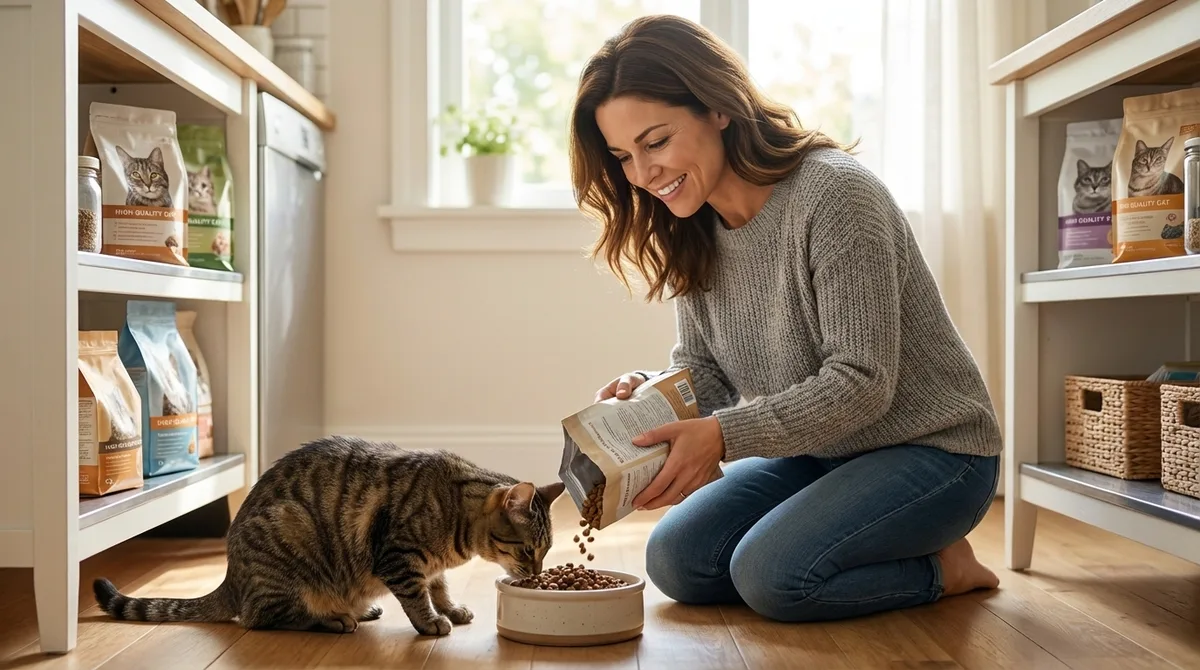
The best cat food delivers these nutrients in bioavailable forms through high-quality animal proteins as the primary ingredient. This means you'll see named meat sources like chicken, turkey, salmon, or beef at the top of the ingredient list, not grain fillers or by-product meals of questionable origin.
AAFCO certification indicates the food has either passed feeding trials or meets nutrient profiles for specific life stages—kitten, adult maintenance, or senior. What Is AAFCO Certification and Why It Matters for Cat Food breaks down exactly what those labels mean, but the short version is this: AAFCO approval is your baseline for nutritional adequacy, not a gold standard for quality. You still need to dig deeper into ingredient sourcing, manufacturing processes, and formulation specifics.
Premium cat foods also consider moisture content (especially critical for cats with low thirst drives), digestibility, palatability, and the absence of controversial additives like artificial colors, excessive carbohydrates from grain fillers, or unnamed animal by-products.
How Cat Nutrition Works
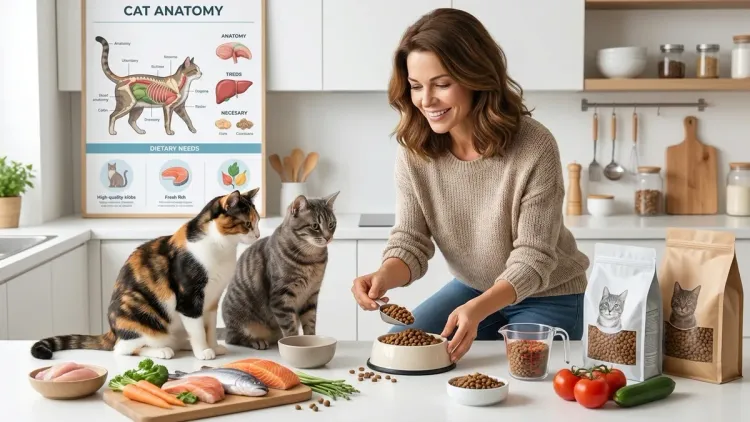
Cats process nutrients fundamentally differently than dogs or humans. Their short digestive tracts and specific enzyme systems evolved to extract nutrients from prey animals—whole mice, birds, and small rodents that provided moisture-rich, protein-dense, moderate-fat nutrition with minimal carbohydrates.
Protein is non-negotiable. Adult cats need minimum 26% crude protein in their diet according to AAFCO standards, though many nutritionists recommend 35-50% for optimal health. But the percentage alone doesn't tell the whole story—the amino acid profile matters enormously. Taurine deficiency, for instance, can cause dilated cardiomyopathy and blindness, and cats cannot produce adequate taurine from plant proteins. Essential Nutrients in Cat Food: What Obligate Carnivores Need covers this in detail, but the takeaway is simple: animal protein should dominate the formula.
Fat provides concentrated energy and essential fatty acids like arachidonic acid, which cats cannot convert from plant-based linoleic acid the way dogs can. Look for minimum 9% fat content, with omega-3 and omega-6 fatty acids from identifiable sources like chicken fat or salmon oil rather than generic "animal fat."
Carbohydrates are where cat food formulations often go sideways. Cats have limited ability to digest carbs and no dietary requirement for them, yet many commercial foods pack in 30-40% carbohydrates from corn, wheat, rice, or potato starch as cheap filler. High-carb diets are linked to obesity, diabetes, and urinary tract issues in cats. The best formulations keep carbs under 10%, focusing instead on animal-based calories.
Moisture content dramatically affects overall health, particularly kidney and urinary tract function. Cats evolved in arid environments and have weak thirst drives—they're designed to get most of their water from prey. Dry foods typically contain 6-10% moisture, while wet foods provide 75-80%. Many cats on kibble-only diets exist in chronic mild dehydration. Wet vs Dry Cat Food: Which Is Better for Your Cat's Health? explores this tension in depth.
Vitamins and minerals round out the picture. Cats need preformed vitamin A (retinol), not plant-based beta-carotene. They require niacin from animal sources since they cannot efficiently convert tryptophan to niacin. Calcium-phosphorus ratios matter for bone health and kidney function. The interplay of nutrients is complex, which is why veterinary nutritionists spend years studying formulation—and why reputable manufacturers employ them full-time.
Why Choosing Quality Cat Food Matters
I see the long-term effects of nutrition every day, even though I mostly work with dogs. The cats that come through my shop for nail trims or the occasional bath fall into two camps: the ones with healthy coats, good energy, and calm temperaments, and the ones with dull fur, flaky skin, and the kind of irritability that suggests they just don't feel great in their bodies.
Poor nutrition shows up in coat quality first. A cat on substandard food—too much grain filler, not enough quality protein, inadequate omega fatty acids—will have a brittle, lackluster coat with excessive shedding and dandruff. Skin issues, dull eyes, and low energy follow. These aren't just cosmetic problems; they're visible markers of systemic nutritional deficiency.
Then there are the chronic health conditions that proper nutrition can prevent or manage: obesity (affecting 60% of domestic cats in the United States according to the Association for Pet Obesity Prevention), diabetes mellitus (strongly correlated with high-carb diets), chronic kidney disease (the leading cause of death in senior cats), and urinary tract issues including crystals and blockages.
Quality food costs more upfront, no question. But the math shifts when you factor in reduced veterinary expenses, longer lifespans, and better quality of life. A cat eating premium nutrition with appropriate protein levels, moisture content, and bioavailable nutrients is simply healthier—fewer infections, better organ function, more stable weight, and that intangible vitality that makes cat ownership rewarding.
For kittens, nutrition is foundational. Growth happens fast in the first year, and inadequate nutrition during this window can cause permanent developmental issues—skeletal problems, immune dysfunction, neurological deficits. For seniors (typically 11+ years), nutritional needs shift toward highly digestible proteins, phosphorus restriction for kidney support, and increased moisture.
Types & Variations of Cat Food
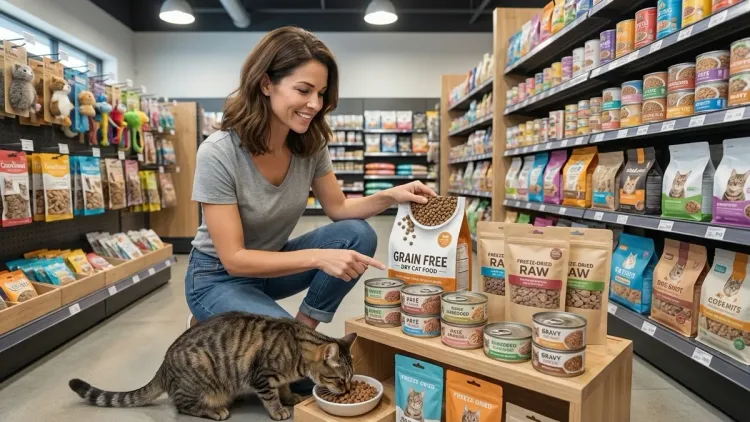
The best cat food for your specific cat depends on format, formulation, and life stage alignment:
Dry food (kibble) offers convenience, lower cost per serving, and dental benefits from mechanical chewing action—though the dental claims are overblown; kibble alone doesn't prevent periodontal disease. The downside is low moisture content (6-10%) and often higher carbohydrate levels (30-40%) due to the extrusion process requiring starch for binding. Best Dry Cat Food: Premium Kibble Options for Adult Cats covers top performers in this category.
Wet food (canned or pouches) delivers 75-80% moisture, typically lower carbs, and often more palatable formulations with recognizable meat chunks or pâté textures. It's closer to a cat's evolutionary diet in moisture and protein density. The trade-offs are higher cost, refrigeration needs after opening, and more packaging waste. Best Wet Cat Food: Top Moisture-Rich Formulas for Felines reviews specific options.
Raw and fresh formulations have gained traction, offering whole-food ingredients and minimal processing. These can be commercially prepared (frozen or freeze-dried) or home-prepared following veterinary nutritionist guidance. Benefits include maximum nutrient bioavailability and natural enzymes; risks include bacterial contamination, nutritional imbalance if not properly formulated, and significant cost.
Grain-free versus grain-inclusive has become a contentious debate. Grain-Free vs Grain-Inclusive Cat Food: Which Should You Choose? examines both sides, but here's my take: cats don't need grains, but the absence of grain isn't automatically better if manufacturers replace corn with potatoes or peas—you've just swapped one high-glycemic carb source for another. Focus on overall macronutrient ratios, not marketing buzzwords.
Life stage formulations matter more than format. Kitten foods provide 30-40% protein and higher calories for growth. Adult maintenance formulas balance nutrition for energy and weight management. Senior formulas often reduce phosphorus and increase antioxidants for kidney and immune support.
Frequently Asked Questions
What is the healthiest food to feed a cat?
The healthiest food to feed a cat is one that provides high-quality animal protein as the primary ingredient, adequate moisture content, and minimal carbohydrate fillers, while meeting AAFCO standards for your cat's life stage. For most cats, this means a combination of wet and dry food—wet for hydration and protein density, supplemented with high-quality kibble if desired for convenience, with total carbohydrate content under 10% of dry matter and protein above 35% from named meat sources like chicken, turkey, or salmon.
How do I know if my cat food is high quality?
You can determine if your cat food is high quality by checking that the first three ingredients are named animal proteins (not by-products or meals from unnamed sources), verifying AAFCO certification for complete and balanced nutrition, confirming moisture content aligns with your cat's hydration needs, and reviewing the guaranteed analysis to ensure protein is above 30% on a dry matter basis with minimal grain or starch fillers. How to Read Cat Food Labels: Understanding Ingredients and Nutritional Information provides a detailed breakdown of label terminology and what specific claims actually mean.
Should I feed my cat wet food, dry food, or both?

Most cats thrive on a combination of both wet and dry food—wet food provides essential moisture for urinary and kidney health (especially critical for cats with low water intake), while dry food offers convenience, dental benefits from chewing action, and cost efficiency for free-feeding households. If you must choose one format, wet food is nutritionally superior for most cats due to its moisture content and typically lower carbohydrate levels, but the best approach is feeding wet food as the primary diet (60-80% of calories) with high-quality dry food as a supplement.
How often should I change my cat's food?
You should only change your cat's food when there's a specific reason—transitioning to age-appropriate formulas, addressing health issues, or improving nutrition quality—because frequent changes can cause digestive upset including vomiting, diarrhea, and reduced appetite. When you do transition, use the gradual method over 7-10 days by mixing increasing proportions of new food with decreasing amounts of old food (start with 25% new food and 75% old, progressing to 100% new by day 10). Complete Cat Food Transition Checklist: Switching Foods Safely walks you through the process step-by-step to minimize gastrointestinal issues.
What ingredients should I avoid in cat food?
You should avoid unnamed meat by-products (chicken by-product meal is acceptable; generic "poultry by-product" is not), artificial colors and flavors (which serve no nutritional purpose and may cause sensitivities), excessive grain fillers like corn gluten meal or wheat middlings that push carbohydrate content above 15%, chemical preservatives like BHA, BHT, and ethoxyquin, and non-specific fat sources listed as "animal fat" without identifying the animal species, since these indicate lower quality control and ingredient sourcing standards that can affect both safety and nutritional value.
Summary
Finding the best cat food comes down to understanding what your cat needs as an obligate carnivore: high-quality animal protein, adequate moisture, minimal carbohydrates, and nutrients in bioavailable forms. I've spent nearly a decade watching pet owners navigate nutrition decisions for their animals—dogs, mostly, but the principles translate—and the ones who invest time in understanding labels, ingredient quality, and life stage requirements end up with healthier pets and lower vet bills.
Start with AAFCO certification as your baseline, then dig into the ingredient list and guaranteed analysis. Prioritize moisture through wet food or mixed feeding. Watch your cat's response—coat quality, energy level, litter box consistency, and body condition tell you more than any marketing claim. And when in doubt, consult a veterinary nutritionist for personalized guidance, especially if you're managing health conditions like kidney disease, diabetes, or food sensitivities.
Your cat's nutrition is the foundation for everything else—their energy, their immune function, the shine in their coat, the years you get together. Make it count.