
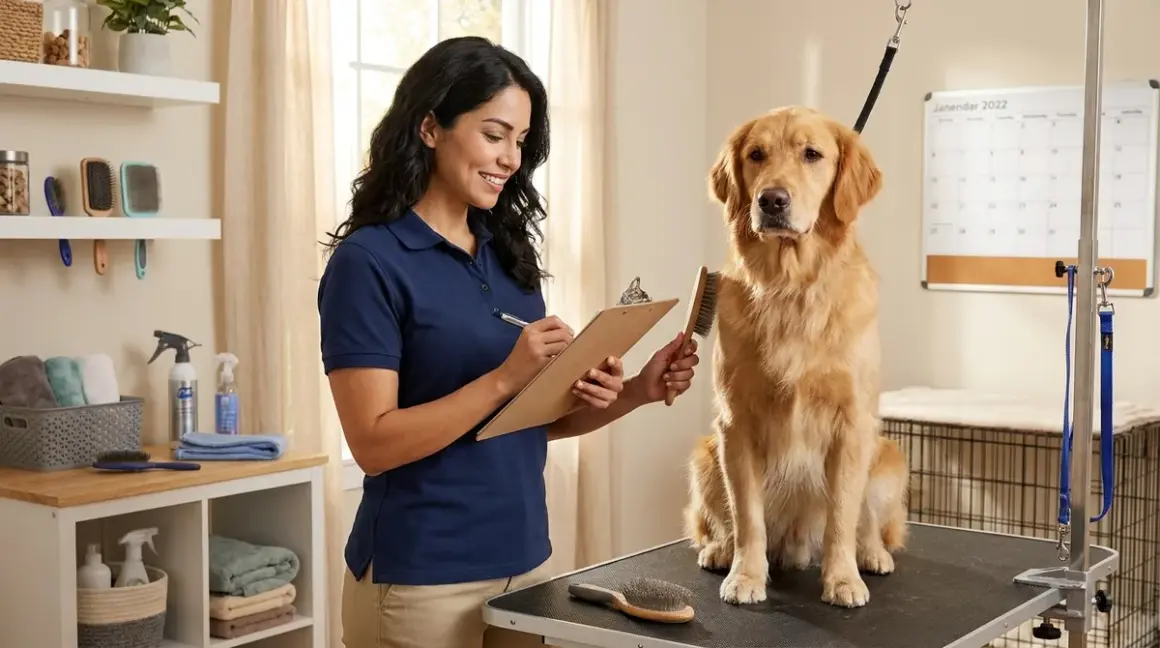

I'll be honest—when I first decided to write this dog show preparation checklist, I had a moment of panic. My expertise is guinea pigs, not grooming tables and gaiting patterns. But after interviewing several professional handlers and conformation exhibitors (and spending way too many evenings watching Westminster footage), I've put together what they all agree is essential the night before your first—or fiftieth—show.
This checklist covers everything you need to verify, pack, groom, and prep the evening before a conformation show. Whether you're a nervous first-timer or a seasoned handler who just wants to make sure nothing falls through the cracks, consider this your pre-show sanity check.
Grooming and Coat Preparation
The night before isn't the time for major coat work—that should've happened days or weeks ago—but it is your last chance to fine-tune presentation and catch any issues that might cost you points in the ring.
Give your dog a final bath if breed standards require it: Breeds with smooth, short coats (like Dobermans or Boxers) often show best when bathed the night before, while wire-coated breeds may need 2-3 days for the coat to "reset." Check your breed club's guidelines—timing matters more than you'd think.
Trim nails and check paw pads for debris: Judges notice overgrown nails immediately, and debris between paw pads can cause limping during gaiting. Use a quality trimmer (I've heard the [Coastal Safari Professional Nail Trimmer](AMAZON: Coastal Safari Professional Nail Trimmer) gets recommended often) and check that the quick isn't visible—pink nails are easier, black nails require more caution.
Clean ears thoroughly with veterinary-approved solution: Dirty ears signal poor grooming to judges. Use a cotton ball dampened with ear cleaner (never Q-tips, which can push debris deeper), and make sure you get into the crevices of folded ears on breeds like Basset Hounds or Cocker Spaniels.
Brush teeth and check for tartar buildup: Bad breath won't disqualify your dog, but judges do get close during examination. A quick brush with enzymatic toothpaste helps, though senior dogs may need more intensive dental work well before show day.
Apply coat conditioning spray or chalk depending on breed requirements: Wire coats and terriers often benefit from texturizing chalk applied the night before and brushed out in the morning, while long-coated breeds like Afghan Hounds may need a light conditioning spray to prevent static. Never use products that leave visible residue—that will get you excused from the ring.
Band or wrap long coats if necessary: Breeds with floor-length coats (Maltese, Yorkshire Terriers, Shih Tzus) often need their hair wrapped in protective bands overnight to prevent breakage. If you're new to this, practice wrapping weeks before your first show—it's fiddly work that takes time to master.
Check for mats, tangles, or coat damage: Run a comb through the entire coat, checking behind ears, under "armpits," and around the tail. Finding a mat the morning of the show is a nightmare scenario. For detailed breed-specific techniques, see our guide on how to groom your dog for a conformation show.
Verify eye staining is minimal and tear ducts are clean: White-coated breeds are especially prone to visible tear staining. Gently wipe around the eyes with a damp cloth—some exhibitors use tear stain removers, but make sure they're safe and fully rinsed before the show.
Equipment and Supply Packing
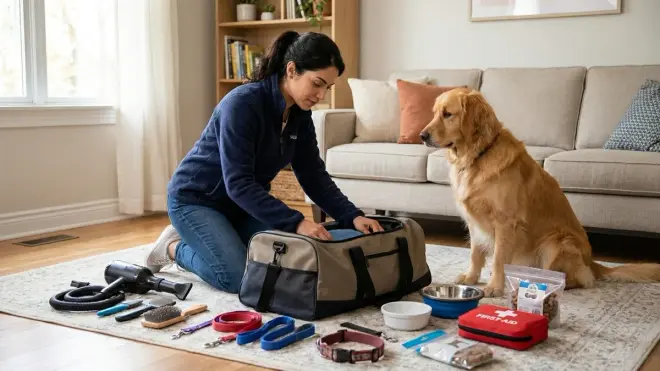
Forgetting a critical piece of equipment is the kind of stress you don't need on show day. Pack everything the night before, double-check it, and load your vehicle so you're not scrambling at 5 a.m.
Pack your show lead and backup lead: Your show lead should be breed-appropriate in color and thickness—thin leads for toys and small breeds, slightly thicker for working dogs. Bring a backup in case of breakage. Leather can snap under stress, and nylon can fray.
Bring grooming tools specific to your breed: At minimum, pack slicker brushes, combs (both wide-tooth and fine-tooth), thinning shears, and any breed-specific tools like stripping knives for terriers. If you're showing a heavily coated breed, a grooming table is essential—collapsible ones are easier to transport.
Pack a grooming arm or noose if you use a table: Free-standing grooming without a restraint is possible, but most handlers prefer the security of a grooming arm, especially with wiggly dogs or puppies. Make sure the noose fits snugly but not too tight—you should be able to slide two fingers under it.
Include stain removers, coat sprays, and finishing products: Even if you groomed perfectly at home, ring conditions (dust, humidity, other dogs) can mess with your dog's coat. Pack chalk, dry shampoo, coat gloss, or whatever your breed requires for last-minute touchups.
Bring a crate with comfortable bedding: Your dog will spend most of the day in the crate waiting for ring time. Bring familiar bedding (it helps with nerves) and make sure the crate is sturdy, ventilated, and appropriately sized. Nervous dogs may benefit from a crate cover to create a den-like environment.
Pack water bowls and bottled water from home: Sudden changes in water can upset some dogs' stomachs, and you don't want digestive issues right before you enter the ring. Collapsible silicone bowls are travel-friendly and easy to clean.
Include high-value training treats in a portable pouch: You'll need treats for baiting (getting your dog's attention and expression in the ring) and for rewarding good behavior. Choose small, non-crumbly options like freeze-dried liver or cheese cubes—nothing that'll stain your clothes or leave your hands greasy. For more on treat selection, check out how to use treats for puppy training, which applies to show training too.
Bring ring number armbands or clips: Some shows provide armbands, others don't. If you're responsible for your own, make sure you have at least two in case one breaks.
Pack cleanup supplies: Paper towels, poop bags, and disinfectant wipes are non-negotiable. Accidents happen, and you don't want to be the person scrambling to clean up a mess in the grooming area.
Paperwork and Registration Verification
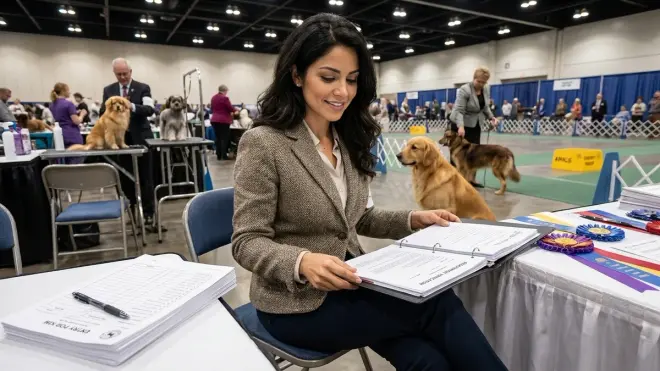
Show day isn't the time to discover your paperwork isn't in order. The night before, lay out every document you'll need and triple-check that names, numbers, and dates are correct.
Print your dog's registration papers or have digital copies ready: Most kennel clubs (AKC, UKC, CKC) now accept digital proof of registration, but always bring printed backups in case Wi-Fi fails or devices die. Make sure the registered name matches exactly what's on your entry confirmation.
Verify your entry confirmation and ring time: Double-check your breed, class, and ring number. Ring times can shift, so plan to arrive early, but knowing your approximate time helps you schedule grooming and potty breaks.
Bring proof of rabies vaccination and other required health certificates: Many shows require proof of current rabies vaccination, and some states mandate additional health certificates for interstate travel. Check with your veterinarian weeks in advance—some paperwork requires a waiting period.
Pack membership cards if required: Specialty shows or club events may require proof of membership. Tuck cards into your paperwork folder so you're not digging through your wallet at check-in.
Include a copy of your breed standard for reference: If you're new to showing, having the official breed standard on hand helps you evaluate your dog's presentation and understand what judges are looking for. Some handlers keep a laminated copy in their show bag.
Canine Health and Behavior Prep
A well-groomed dog won't impress anyone if they're limping, lethargic, or reactive in the ring. The night before is your last chance to assess your dog's physical and mental readiness.
Check for limping, stiffness, or signs of injury: Walk and trot your dog in a well-lit area, watching for any unevenness in gait. Even minor limping will get noticed by judges and could disqualify you. Senior dogs are especially prone to joint stiffness—if your older dog is showing, make sure they're moving comfortably.
Verify your dog is current on all vaccinations: Beyond rabies, make sure your dog is up to date on distemper, parvovirus, and kennel cough (Bordetella). Dog shows are high-exposure environments, and outbreaks do happen.
Practice stacking and gaiting one final time: Don't overdo it—your dog should be rested—but a quick run-through helps refresh their memory and gives you confidence. For stacking guidance, see how to stack your dog for conformation showing.
Monitor stress signals and consider calming aids if needed: Some dogs get anxious in new environments. Watch for excessive panting, pacing, or reluctance to eat. If your dog is prone to show nerves, talk to your vet about safe calming supplements (not sedatives, which are prohibited at shows).
Ensure your dog is well-exercised but not exhausted: A tired dog shows better than a hyper one, but an exhausted dog will look dull and uninterested. Aim for a good walk or play session in the afternoon, then let them rest through the evening.
Feed a light dinner to avoid digestive issues: Heavy meals before a show can lead to bloating, gas, or worse. Feed a smaller-than-usual portion the night before, and skip breakfast entirely or offer just a few bites in the morning. Some exhibitors bring automatic feeders for multi-day shows to maintain consistent feeding schedules.
Mental Preparation and Logistics
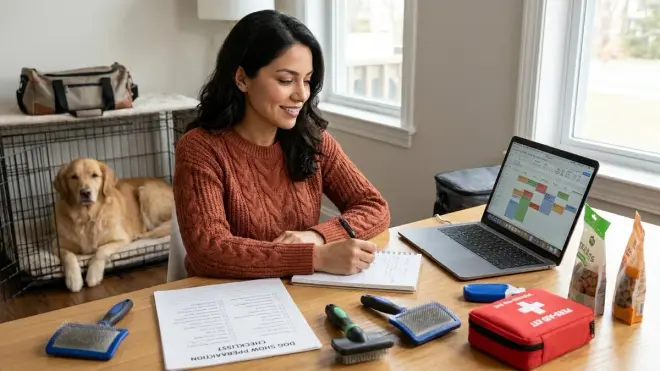
You're not the one being judged, but your stress absolutely affects your dog. Handling your own nerves and logistics the night before makes show day smoother for both of you.
Lay out your show clothes and check for stains or wrinkles: Conformation showing has an unspoken dress code—business casual at minimum, nothing too flashy that distracts from the dog. Make sure your outfit is clean, pressed, and comfortable for moving quickly.
Charge your phone, camera, and any other devices: You'll want photos, and you'll need your phone for schedule updates or emergencies. Bring portable chargers—show venues don't always have accessible outlets.
Map your route and plan for traffic or parking delays: Dog shows often take place at fairgrounds or convention centers with confusing parking. Look up directions the night before, and plan to arrive at least 90 minutes before your ring time.
Pack snacks and drinks for yourself: You'll be standing for hours, possibly in hot or cold conditions. Bring water, protein bars, and easy-to-eat snacks. Dehydration and low blood sugar make you shaky, and your dog will pick up on that.
Review the judge's background and preferences if possible: Some judges have reputations for favoring certain styles or builds within a breed. While you can't change your dog overnight, knowing what a judge tends to reward can help you emphasize your dog's strengths in presentation.
Set multiple alarms and plan your morning timeline: Work backward from your ring time—factor in driving, parking, check-in, final grooming, and a potty break for your dog. Most handlers recommend arriving two hours early for your first show.
Final Check Before You Go
Here's your condensed dog show preparation checklist to review the morning of the show—print this section if it helps.
Grooming:
- Coat brushed, clean, and free of mats
- Nails trimmed, ears cleaned, teeth brushed
- Coat products applied per breed standard
- No visible staining or debris
Equipment:
- Show lead and backup lead
- Grooming tools (brushes, combs, scissors)
- Grooming table and arm (if needed)
- Crate with bedding
- Water, bowls, treats
Paperwork:
- Registration papers (printed and digital)
- Entry confirmation with ring number
- Vaccination records and health certificates
- Membership cards (if required)
Dog Health:
- No limping or signs of injury
- Vaccinations current
- Exercised but rested
- Light meal the night before
Handler Prep:
- Show clothes laid out
- Devices charged
- Route mapped
- Snacks and water packed
- Alarm set
Frequently Asked Questions
What time should I arrive at a dog show if my ring time is 10 a.m.?
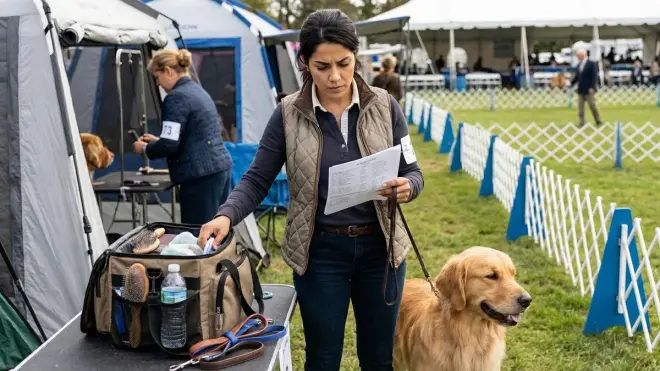
You should arrive by 8 a.m. at the latest for a 10 a.m. ring time, especially if this is your first show. This gives you time to park, unload your show supplies, check in, set up your grooming area, do final coat touchups, let your dog acclimate to the environment, and take a potty break before ring time. Professional handlers often arrive three hours early for major shows.
Can I bathe my dog the morning of the show instead of the night before?
It depends entirely on your breed's coat type and texture. Smooth-coated breeds like Dalmatians or Greyhounds can be bathed the morning of and look great, while double-coated breeds like Golden Retrievers or Shetland Sheepdogs may need 24-48 hours for the coat to settle and regain proper texture. Wire-coated terriers often show best when bathed several days in advance. Always follow your breed club's grooming guidelines rather than generic advice.
What happens if I forget my dog's registration papers at home?
Most shows allow digital proof of registration via smartphone, so if you have a photo or email confirmation of your dog's registration number and details, you'll likely be fine. However, some smaller or specialty shows may require physical papers, and if the show secretary cannot verify your dog's registration, you may not be allowed to compete. Always bring printed backups to avoid this issue entirely.
Final Thoughts
Putting together a solid dog show preparation checklist the night before does more than just prevent forgotten items—it gives you the mental space to enjoy the experience instead of panicking. I've seen first-time handlers show up frazzled and underprepared, and I've watched seasoned pros move through their routines with the kind of calm that only comes from having done this exact prep a hundred times before.
Your dog doesn't care about rosettes or points toward a championship. But they do care about your energy, your confidence, and whether you remembered their favorite treats. Nail the prep work, and you're free to focus on what actually matters: showing off the dog you've worked so hard to train and condition.
And hey—even if things go sideways (and sometimes they will), you'll have a story to tell and a baseline for next time. That's how every good dog show journey starts.