

I'll be honest—when I first started researching dog show supplies, I felt completely out of my depth. As someone who spends most of her time perfecting guinea pig habitats in a 600-square-foot apartment, the world of conformation showing felt like stepping into a completely different universe. But here's what I've learned after countless hours of research and conversations with show handlers: whether you're preparing for your first conformation show or you're a seasoned competitor, having the right dog show supplies can make the difference between a stressful ring day and a smooth, confident performance.
What Are Dog Show Supplies?
Dog show supplies encompass all the specialized equipment, grooming tools, and ring essentials you need to present your dog for conformation judging. Unlike the everyday training aids I'm familiar with from researching pet care, these supplies serve a very specific purpose: showcasing your dog's breed characteristics and movement according to American Kennel Club (AKC) standards.
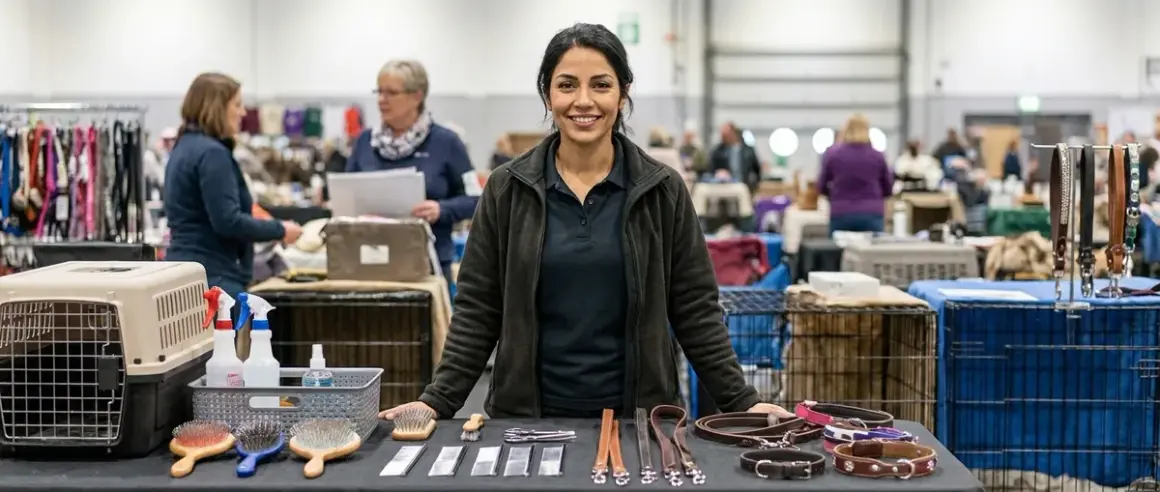
The world of show supplies divides into three main categories: grooming equipment (clippers, brushes, dryers, and coat products), ring gear (leads, bait bags, grooming spray, and stacking tools), and organizational supplies (grooming tables, crates, setup tents, and storage solutions). Each breed has different requirements—what works for a Poodle won't necessarily work for a German Shepherd—but the foundational supplies remain surprisingly consistent.
What caught me off guard during my research was how specific these tools are. You can't just grab any leash from your closet. Show leads are measured in specific widths and materials chosen to complement your dog's coat color and neck size. Grooming tables need precise height adjustability for safe, ergonomic work. Even something as simple as bait (training treats used in the ring) follows unwritten rules about size, scent, and handling method.
How Dog Show Supplies Work Together
The magic of dog show supplies isn't really about individual items—it's how they work as a coordinated system to present your dog at their absolute best. Think of it like staging a home for sale, except the "home" is a living, breathing animal with their own opinions about the process.
Grooming preparation starts days or even weeks before the show. Professional-grade grooming tables provide a stable, elevated workspace where you can safely bathe, dry, brush, and trim your dog without destroying your back. These tables typically feature non-slip rubber surfaces, adjustable heights from 24-36 inches, and grooming arms with restraint loops to keep dogs secure during detailed work. For breeds requiring extensive coat work—Afghans, Maltese, Bichons—you'll use high-velocity dryers that push water out of the coat rather than heating it dry, slicker brushes with varying pin lengths, and coat conditioners formulated to enhance texture without leaving residue that judges might penalize.
Ring-day supplies shift from preparation to presentation. Your show lead becomes an extension of your handling technique—thin leather or nylon designed to nearly disappear against your dog's coat while giving you precise control. Most handlers carry multiple lead types: a sturdy one for warm-up and a nearly invisible show lead for the ring. Bait bags attach to your waist, holding liver treats, cheese, or hot dogs cut into pea-sized pieces. (Yes, really—I learned that treat size matters even in professional showing, though for different reasons than basic puppy training.)
During judging, you'll use grooming spray to add last-second shine or control flyaway hairs, a small brush for touch-ups between classes, and sometimes chalk or powder for color enhancement (breed-specific and rule-compliant, of course). Handlers carry these items discretely, often in pockets or small pouches, ready to perfect their dog's appearance in the split second before entering the ring.
The coordination comes from understanding the timeline. You're not randomly grabbing supplies—you're following a strategic sequence that builds toward that two-minute window when the judge evaluates your dog. Every tool serves that end goal.
Why Dog Show Supplies Matter for Your Success

Here's something that surprised me during my research: judges aren't just evaluating your dog's inherent structure and movement. They're evaluating the presentation of those qualities. A dog with excellent conformation can lose to a slightly lesser dog who's been expertly groomed and skillfully handled with the right equipment.
Professional-grade supplies level the playing field. Using a proper show lead instead of a training leash changes how your dog moves and how the judge perceives that movement. A well-adjusted grooming table prevents the back strain that leads to rushed, sloppy prep work. High-quality coat products enhance your dog's natural texture rather than coating it in obvious product buildup that screams "amateur hour."
I've also learned that the right supplies significantly reduce stress—for both handler and dog. When you're working on a stable grooming table with proper lighting and tools within reach, the grooming process becomes smoother and calmer. Dogs sense that confidence. A stressed handler with inadequate equipment creates a stressed dog, and judges absolutely notice a tense, unhappy dog in the ring.
From a practical standpoint, investing in quality dog show supplies saves money long-term. Cheap clippers burn out after a few shows. Flimsy crates collapse. Dollar-store brushes break or damage coats. Show handlers I've researched consistently emphasized buying the best you can afford from the start rather than replacing inferior equipment every season.
Types and Variations of Dog Show Supplies

Dog show supplies vary dramatically based on breed, coat type, show level, and personal handling style. Let me break down the major categories:
Grooming equipment by coat type: Smooth-coated breeds (Boxers, Dobermans, Pointers) need minimal grooming supplies—a rubber curry brush, hound glove, coat polish spray, and perhaps ear cleaning supplies. Wire-coated terriers require hand-stripping knives, specialized thinning shears, and texture-enhancing chalks. Long-coated breeds (Shih Tzus, Yorkshire Terriers, Afghans) demand extensive tool kits: pin brushes, slicker brushes, metal combs with varying tooth spacing, detangling sprays, show-quality shampoos and conditioners, and wrapping supplies for coat protection between shows.
Show leads by breed size and style: Show leads vary from ultra-thin nylon show cords for toy breeds (3-4mm diameter) to substantial leather show leads for large working breeds (up to 12mm width). Materials include kangaroo leather (softest, most expensive), English show lead leather, braided nylon, and chain combinations. Color selection matches your dog's coat—you want the lead to visually disappear. Some handlers prefer martingale-style show leads with a limited-slip function; others use fixed-loop designs.
Portable grooming stations: These range from simple folding tables (around $80-150 for basic models) to elaborate show setups with adjustable-height hydraulic tables ($400+), overhead bar systems, equipment organizers, and integrated lighting. Junior handlers and newcomers often start with compact, lightweight options, upgrading as they show more frequently.
Ring preparation supplies: Beyond the basics, experienced handlers customize their ring kits with breed-specific items—ear powder for breeds requiring ear hair removal, tooth wipes for last-second smile brightening, specific coat texturizers, anti-static sprays, and even battery-operated touch-up clippers for emergency fixes.
Frequently Asked Questions
What are the essential dog show supplies every first-time exhibitor needs?
The essential dog show supplies for beginners include a quality show lead appropriate for your dog's size and coat color, a grooming table with adjustable height and non-slip surface, basic grooming tools for your dog's coat type (brushes, combs, and coat spray), a sturdy wire crate for safe staging area containment, bait and a bait bag for ring presentation, and a show preparation checklist to ensure you don't forget critical items on show day.
How much should I expect to spend on dog show supplies when starting out?
You should expect to spend approximately $300-600 for basic starter dog show supplies including a mid-range grooming table, essential grooming tools, show leads, a crate, and ring supplies, though costs vary significantly based on your dog's breed and coat requirements—smooth-coated breeds need minimal grooming equipment while long-coated or wire-coated breeds may require $800-1,200 in specialized grooming tools and products for proper presentation.
Can I use regular pet grooming supplies for dog shows or do I need specialized equipment?
You cannot use regular pet grooming supplies for serious conformation showing because professional dog show supplies are engineered for competition-level presentation standards—show leads are designed to nearly disappear during judging, high-velocity dryers preserve coat texture that regular pet dryers damage, and breed-specific grooming tools create the precise silhouettes judges expect, whereas everyday pet supplies prioritize convenience and basic maintenance over competitive presentation quality.
What's the difference between show leads and regular training leashes?
Show leads differ from regular training leashes in that they're specifically designed to be minimal, nearly invisible tools that showcase your dog's neck and topline without visual interference—typically constructed from thin leather or nylon in colors matching your dog's coat—while training leashes prioritize control, durability, and visibility with thicker materials, handles for grip, and functional hardware that would distract judges from evaluating your dog's natural structure and movement.
How do I choose the right grooming table for my dog's size and breed?
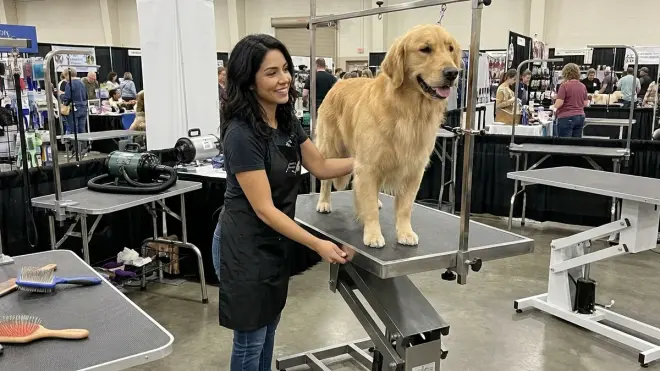
You should choose a grooming table based on your dog's weight capacity (tables range from 100-400 pound capacities), adjustable height that allows you to work comfortably without bending (24-36 inch range is standard), non-slip rubber or textured surface for safe footing, sturdy construction that doesn't wobble during grooming sessions, and portability features like folding legs if you'll transport it to shows, with larger breeds requiring commercial-grade tables while toy breeds can use lightweight portable models.
Summary
Dog show supplies represent a specialized toolkit designed to present your dog at their competitive best during conformation judging. From grooming tables and high-velocity dryers to breed-appropriate show leads and ring-day essentials, these supplies work as a coordinated system rather than random equipment purchases. The right tools reduce stress, enhance presentation quality, and ultimately improve your success in the ring.
Whether you're preparing for your first show or refining your competitive setup, invest in quality supplies appropriate for your dog's breed, coat type, and size. Start with the essentials—grooming table, show lead, basic grooming tools, and organizational supplies—then expand your kit as you gain experience and understand your specific needs. Your dog will thank you for the smoother preparation process, and judges will notice the professional presentation that proper equipment makes possible.