
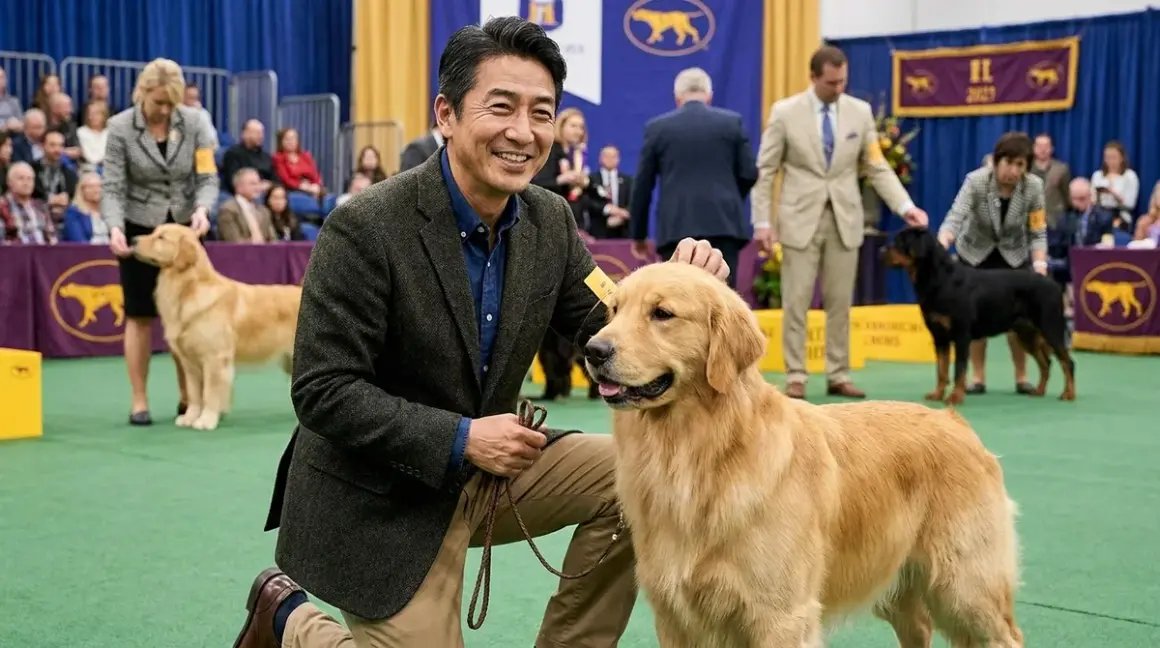

I'll be honest—when I first heard about dog conformation shows, I thought they were just beauty pageants for dogs. Coming from the aquarium world where we judge fish on color intensity and fin shape, I figured it couldn't be much different. Turns out I was completely wrong, and after attending a few shows with a friend who breeds German Shepherds, I developed a whole new appreciation for what these events actually measure. If you've ever wondered what is dog conformation show competition really about, or whether your purebred dog might have what it takes to compete, this deep dive into the rules, structure, and judging criteria will give you the full picture.
What Is a Dog Conformation Show?
A dog conformation show is a competitive event where purebred dogs are evaluated against their breed's written standard—essentially a detailed blueprint of what the ideal specimen should look like in terms of structure, movement, and temperament. Unlike obedience trials or agility competitions that test what a dog can do, conformation shows assess what a dog is: how closely their physical construction matches the ideal form that was originally intended for their breed's working purpose.
When people ask what is dog conformation show judging based on, the answer is always the breed standard—a document maintained by organizations like the American Kennel Club (AKC) or United Kennel Club (UKC) that describes everything from head shape and ear placement to coat texture and rear angulation. The judge isn't picking their personal favorite; they're supposed to be identifying which dogs best exemplify the physical traits that allow the breed to perform its original function, whether that's herding livestock, retrieving game, or guarding property.
In my experience talking to breeders (which, coming from aquariums where we call them "keepers" and debate water chemistry, felt like entering a whole different subculture), these shows serve a practical purpose beyond trophies. They help preserve breed type and identify dogs that should contribute to future breeding programs. A dog that wins consistently in conformation is demonstrating not just good looks but structural soundness—the kind of bone structure, muscle development, and physical proportions that suggest they'll pass on functional, healthy traits to their offspring.
The shows themselves range from small local specialty events focusing on a single breed to massive all-breed championship shows like Westminster or the AKC National Championship, which draw thousands of entries and serious media coverage. But the fundamental question being asked is always the same: how well does this individual dog represent the ideal of their breed?
How Dog Conformation Shows Work
The mechanics of a conformation show took me a while to grasp, honestly—it's like the first time I tried to understand how a protein skimmer works in a reef tank; the basic concept sounds simple until you see all the moving parts. Here's how the process actually unfolds on show day.
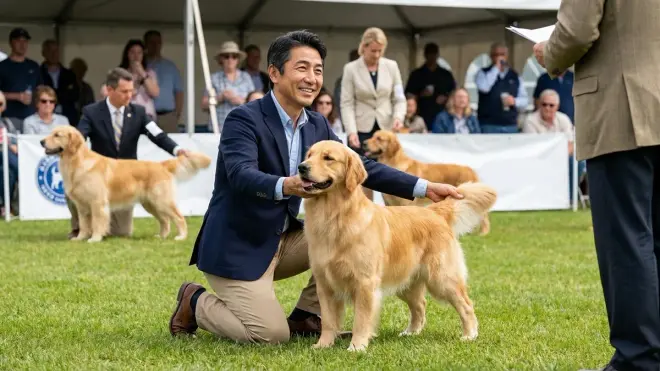
Ring procedure follows a consistent pattern regardless of show size. Dogs enter the ring in their designated class (more on those classifications in a minute), and the judge examines each dog individually before comparing them as a group. During the individual examination, the judge manually inspects the dog's head, teeth, bone structure, coat, and body proportions. For male dogs, judges verify the presence of two normally descended testicles, since cryptorchidism (retained testicles) is a disqualification. What I've found interesting is how hands-on this process is—judges literally put their hands all over the dog, feeling bone structure, muscle tone, and coat texture in a way that reminds me of how I assess fish health by watching swimming patterns and breathing rates, except much more tactile.
After the physical examination comes the movement evaluation. Handlers take their dogs around the ring at a trot so the judge can assess gait, which reveals a tremendous amount about structural soundness. A dog with proper angulation in the shoulder and rear will move with efficient, ground-covering strides; a dog with structural faults might paddle, crab sideways, or move with choppy, inefficient steps. The judge typically asks handlers to move in specific patterns—straight down and back to assess coming and going movement, around the ring to observe side gait. If you've ever seen a truly well-built dog move at a proper trot, it's genuinely beautiful to watch, like seeing an Oscar fish glide effortlessly through water versus one that struggles due to poor genetics.
Class progression works on an elimination basis. Dogs compete first within their sex and class (Puppy, Bred-by-Exhibitor, American-Bred, Open, etc.). The winner of each class—called the "class winner"—moves forward to compete for Winners Dog or Winners Bitch, which is the most important award of the day because it's the only one that earns championship points. After Winners are selected, they compete with any dogs entered as "Specials" (dogs that have already finished their championship and are being campaigned for higher titles) for Best of Breed. The Best of Breed winner then moves on to compete in their Group (Sporting, Hound, Working, Terrier, Toy, Non-Sporting, or Herding), and finally, the seven Group winners compete for Best in Show.
The point system determines how many dogs you need to defeat to earn a championship. Points range from one to five per show, based on how many dogs of your breed and sex are entered—the competition level varies dramatically by breed and region. A dog needs 15 points to become an AKC Champion, including at least two "major" wins (shows worth three, four, or five points) under two different judges. In my experience watching friends work toward championships, this can take anywhere from three weekends to three years depending on the breed's popularity and the dog's quality.
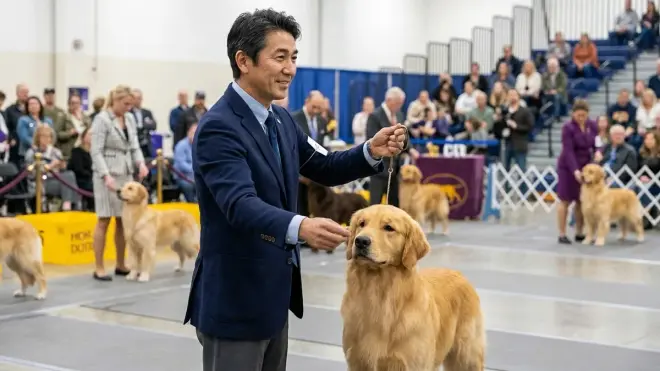
Handlers use specialized equipment that you won't see in everyday dog ownership. Dog show leads and leashes are typically made from thin nylon or leather designed to be nearly invisible from a judge's perspective while giving the handler precise control. Many handlers also carry proper stacking tools and bait to position the dog and maintain their attention. The whole process has its own vocabulary and etiquette—I remember my first time watching and having no idea why everyone was "stacking" their dogs or what "free-stacking" meant until someone explained that it refers to positioning the dog in a show stance either by manually placing their legs or encouraging them to stand in position naturally.
Why Dog Conformation Shows Matter
You might be wondering why any of this matters if you're not planning to become a professional handler or breeder—and that's a fair question I asked myself when I was first learning about this world. What I've come to understand is that conformation shows serve several purposes that ripple out beyond the ring itself and actually affect everyday pet owners.
Breed preservation is the most immediate purpose. Conformation showing identifies dogs that best represent their breed's intended form and function, which guides responsible breeding decisions. When breeders select breeding stock based on conformation success, they're theoretically choosing dogs with sound structure, correct temperament, and breed-typical characteristics. This matters even if you're just looking for a healthy pet, because puppies from health-tested, conformation-titled parents are statistically more likely to be structurally sound and free from genetic defects. It's similar to how in the aquarium hobby, responsible breeders of fancy goldfish or discus maintain strain purity and select for health alongside appearance—the show results indicate which fish (or dogs) should contribute to the next generation.
The shows also provide a baseline for structural soundness that affects longevity and quality of life. A German Shepherd with proper rear angulation is less likely to develop debilitating hip dysplasia. A Bulldog with a less-extreme head type can breathe more easily. A Dachshund with good proportions has a lower risk of intervertebral disc disease. While conformation judging isn't perfect and sometimes rewarded extremes have actually harmed breed health (something the purebred dog community is increasingly addressing), the fundamental principle—evaluating whether a dog's structure allows them to function as intended—serves a legitimate purpose. Understanding breed standards and structural soundness becomes especially important as dogs age, since structural faults often manifest as orthopedic problems in senior years.
For prospective puppy buyers, conformation titles on a pup's parents provide meaningful information. An AKC Champion title (abbreviated as "CH" before a dog's name) indicates that multiple judges, on multiple occasions, evaluated that dog as a quality representative of their breed. It's not a guarantee of perfection, but it's one data point suggesting the breeder is invested in producing dogs that conform to breed standards rather than just churning out puppies. When combined with health testing and temperament evaluation, it helps identify breeders who are making thoughtful breeding decisions.
The community aspect also shouldn't be underestimated. What I've observed is that serious show folks genuinely care about their breeds and share knowledge about genetics, health issues, training approaches, and breed history. The show ring creates a space where that information gets exchanged and where new breeders learn from experienced mentors. It's not unlike the regional aquarium society meets where experienced keepers share propagation techniques and water chemistry insights—the shared passion creates a knowledge base that elevates the whole hobby.
Types of Conformation Shows and Class Structure
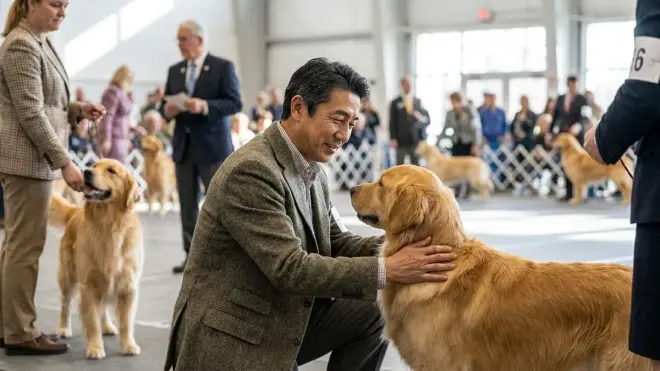
Not all dog shows operate the same way, and understanding the different types of shows helps clarify what you're watching or entering. The major sanctioning bodies in the United States are the AKC (American Kennel Club) and UKC (United Kennel Club), though international shows operate under Fédération Cynologique Internationale (FCI) rules.
All-breed shows are exactly what they sound like: events where all AKC-recognized breeds can compete. These range from small local club shows with maybe 200 entries up to massive events like Westminster with several thousand dogs. The structure is the same regardless of size—breed competition, then group competition, then Best in Show—but the level of competition varies dramatically. What I've learned from friends who show is that the same dog might be Best of Breed at a small local show and not even make the cut at a specialty national event; it's the quality of the entry, not the size of the trophy, that matters.
Specialty shows focus on a single breed or breed variety. The German Shepherd Dog Club of America National Specialty, for example, might draw 400 German Shepherds competing against each other. These events often include educational seminars, health clinics, and breed-specific activities alongside the conformation competition. Specialty shows typically attract the highest-quality dogs in a breed because serious breeders make a point of attending their national specialty to see how their dogs compare against top competition. If you're learning about a specific breed and want to see excellent examples, specialty shows are where you'll find them.
Match shows are practice events, usually used to introduce young dogs or handlers to the ring environment without the pressure of championship points. Think of them as scrimmages—they follow the same format and procedures, but nothing counts toward titles. Many kennel clubs host matches specifically for puppies or novice handlers. When I asked a handler friend why anyone would pay entry fees for a show that doesn't count, she explained that it's like my approach to cycling new aquarium filters alongside established ones before removing the old media—you're testing the system in real conditions without risking your entire investment.
Within any show, dogs are divided into regular classes based on age, breeding, and ownership:
Puppy classes are for dogs aged 6 months to under 12 months (sometimes divided into 6-9 months and 9-12 months). These youngsters are being evaluated on their potential since they're not fully mature. Puppies competing in conformation need proper nutrition to support healthy growth without excessive weight that could stress developing joints.
The 12-18 Month class bridges the gap between puppyhood and maturity in some breeds that mature slowly.
Bred-by-Exhibitor is for dogs handled by their breeder (or a member of the breeder's immediate family). This class has special significance because it showcases what a breeding program is producing—these are dogs the breeder thought enough of to keep or show themselves rather than selling as pets.
American-Bred class is for dogs bred and born in the United States, while Open class is truly open to any dog over 6 months, domestic or imported. The Open class traditionally attracts the most competitive entries since it has no restrictions.
After class judging, Winners Dog and Winners Bitch are selected from the class winners of their respective sexes—these are the only awards that earn championship points. Reserve Winners are also selected as runner-up in case the Winners award is later disallowed for some reason.
Best of Breed competition includes the Winners Dog and Winners Bitch plus any "Specials"—dogs that have already completed their championship and are competing for additional titles like Grand Champion or trying to qualify for national rankings. The judge selects Best of Breed (the dog that best represents the breed standard), Best of Winners (either Winners Dog or Winners Bitch, whichever the judge considers superior), and Best of Opposite Sex (the best dog of the sex opposite to Best of Breed).
The structure gets complex, honestly, and I still sometimes need to ask for clarification when watching—but once you understand that everything builds from class competition up through Best in Show, the logic becomes clearer.
Judging Standards and What Judges Evaluate
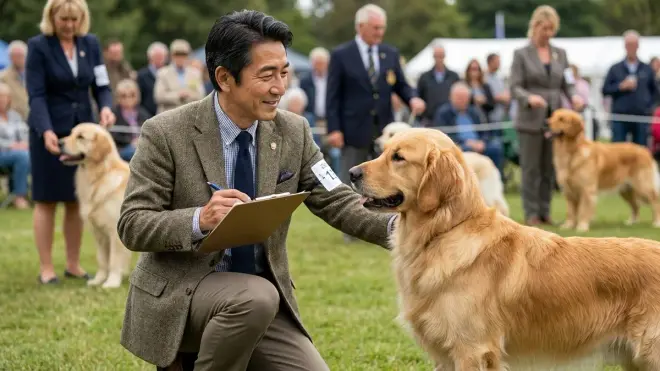
Understanding what judges actually look for transformed my perception of these shows from beauty pageants to functional assessments. Each breed has a detailed written standard, but judges are evaluating specific elements that apply across all breeds, interpreted through that breed-specific lens.
Type and breed characteristics come first. A Golden Retriever should look unmistakably like a Golden Retriever, with the breed's characteristic friendly expression, strong retrieving build, and golden coat. A judge immediately eliminates dogs that lack fundamental breed type—if it doesn't look like the breed it's supposed to be, structural details become irrelevant. This is the canine equivalent of how a properly bred fancy goldfish shows clear ryukin characteristics versus looking like a generic goldfish; breed type is the foundation.
Structural soundness assesses the skeleton and muscle development. Judges evaluate front assembly (shoulder blade angle and length, upper arm length and angle, leg bone length and straightness), topline (back strength and levelness), rear assembly (pelvic angle, upper and lower thigh length and angle, hock placement), and overall proportions. What I've found fascinating is how specific this gets—judges are mentally measuring angles and ratios, checking that the distance from withers to elbow equals the distance from elbow to ground, verifying that rear angulation balances front angulation. It's engineering assessment masquerading as a dog show.
Proper structure isn't just aesthetic—it directly affects how the dog moves and whether they can perform their breed's original function without breaking down. A sporting dog built to hunt all day needs specific shoulder angles for efficient movement. A herding dog needs rear drive for quick acceleration and turns. A toy breed needs bone substance proportional to their size to avoid fractures. When structure is correct, the dog moves efficiently; when it's faulty, you see compensatory movement patterns that indicate stress on joints.
Movement evaluation reveals what the hands-on examination suggested. Judges watch for dogs that "move true"—traveling straight coming and going without crossing over, paddling, or weaving. Side gait should show reach and drive, with the front legs extending forward and rear legs pushing powerfully behind. The topline should remain firm and level, not bouncing or rolling. Head carriage should be natural and proud without being forced. Poor movement immediately identifies structural faults; a dog might look beautiful standing still but fall apart in motion, and judges always prioritize functional movement.
Head type and expression receive tremendous emphasis because they communicate breed character. Each breed standard describes the ideal head shape, eye color and placement, ear type and carriage, and the overall expression that captures the breed's temperament. A soft, kind expression suits a breed developed for companionship; a keen, alert expression suits a guarding breed. Some breeds have very specific head requirements—Bulldogs with undershot jaws, Collies with long refined muzzles, Boxers with precise proportions between muzzle length and skull length. Getting head type right signals that a breeder understands their breed's essence.
Coat quality and presentation matter, though to varying degrees by breed. Some breeds like Poodles, Afghan Hounds, or Portuguese Water Dogs require extensive grooming that becomes almost an art form. Others like Labrador Retrievers should look natural with minimal intervention. Proper grooming for conformation emphasizes the dog's structure rather than hiding it, presenting a clean, well-maintained coat that's breed-appropriate in texture and length. Judges literally run their hands through the coat to assess texture—a Siberian Husky should have a harsh outer coat with dense undercoat; anything too soft suggests incorrect coat type.
Temperament and attitude might seem secondary but actually play a significant role. A dog that shows confidently, moves willingly, tolerates handling by a stranger (the judge), and demonstrates breed-appropriate temperament scores points even if their structure isn't perfect. Conversely, a structurally superior dog that's terrified or aggressive becomes less valuable as breeding stock because temperament is heritable. Most breed standards include temperament descriptions—"alert and friendly," "dignified and aloof with strangers," "gay and fearless"—and judges consider whether the dog embodies that character.
Disqualifications immediately remove a dog from competition. These vary by breed but commonly include missing teeth, incorrect coat color or markings, size outside the allowed range, aggressive or fearful behavior, blindness, deafness, or any physical deformity. Male dogs must have two normally descended testicles. Some breeds have breed-specific disqualifications like incorrect tail carriage or ear type.
What surprised me most when I started understanding judging criteria is how objective it attempts to be despite seeming subjective. Judges are measuring against a written standard, not personal preference. An experienced judge can walk around a ring and identify the correct front assembly angle, the proper ratio of body length to height, the right balance of bone substance—it's technical assessment that requires years of study to master. That said, when two dogs are equally correct structurally, personal preference and ring presence (how a dog shows itself) can be the tiebreaker, which is where the sport aspect enters.
Frequently Asked Questions About Dog Conformation Shows
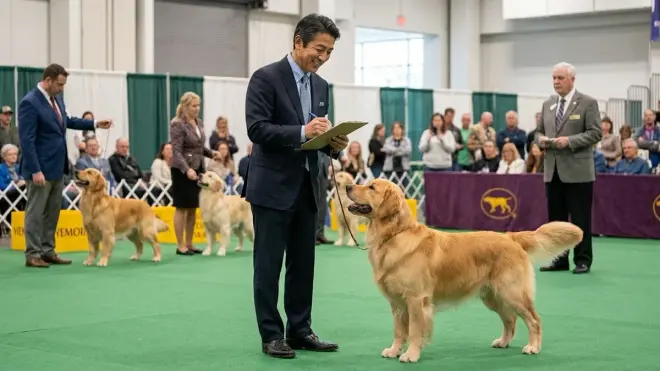
What is a dog conformation show and how is it different from other dog competitions?
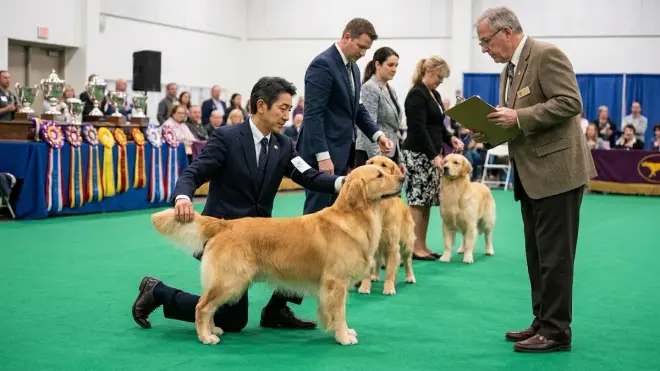
A dog conformation show is a competition where purebred dogs are evaluated against their breed's written standard for physical structure, movement, and temperament, rather than for performance abilities like obedience or agility. The judge is assessing how closely each dog matches the ideal blueprint for their breed's form and function, identifying dogs that should contribute to future breeding programs based on structural soundness and breed type rather than trained behaviors.
Can mixed breed dogs compete in conformation shows?
No, traditional AKC and UKC conformation shows are exclusively for purebred dogs registered with those organizations, since judging requires comparing each dog against their breed's specific written standard. However, the AKC does offer a Canine Partners program that allows mixed-breed dogs to compete in performance events like agility, obedience, and rally—just not conformation, which by definition requires evaluation against a breed standard that mixed breeds don't have.
What does a dog need to become a Champion in conformation?
An AKC Champion title requires a dog to earn 15 championship points by defeating other dogs of their breed and sex at conformation shows, including at least two "major" wins worth three to five points each under different judges. The number of points awarded at each show depends on how many dogs of that breed and sex are entered, with more competitive entries offering more points, so the timeline to finish a championship varies from a few months to several years depending on breed popularity and the individual dog's quality.
Do I need a professional handler to show my dog in conformation?
No, you don't need a professional handler to show your dog—many owner-handlers successfully compete in conformation, and the Bred-by-Exhibitor class specifically rewards owners who show their own dogs. That said, professional handlers bring experience in presentation, ring strategy, and dog conditioning that can make a significant difference in competitive breeds, and some judges may unconsciously favor professionally presented dogs simply because professional handling often optimizes how a dog appears and moves, though this bias is something the show community actively tries to address.
How much does it cost to compete in dog conformation shows?
Entry fees for a single conformation show typically range from around $30 to $50 per dog depending on the event, but the total investment extends far beyond entry fees to include show supplies and equipment, travel expenses, grooming costs (which can be substantial for breeds requiring professional coat maintenance), handler fees if you hire a professional (often around $100-150 per show plus expenses), and potentially ongoing costs like training classes, practice matches, and show-quality dog care that can add up to thousands of dollars annually for someone actively campaigning a dog toward a championship.
At what age can a puppy start competing in conformation shows?
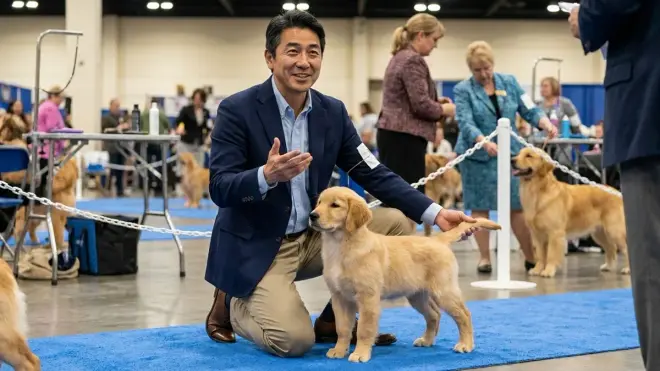
Puppies can begin competing in conformation at exactly 6 months of age in regular classes, or earlier at match shows (practice events that don't count toward championships), which makes early socialization and proper training foundation essential for puppies destined for the show ring, since they need to be comfortable with handling by strangers, moving on a lead at various speeds, and maintaining composure in stimulating environments filled with other dogs and people.
What does "finished" mean when someone says their dog finished their championship?
When someone says their dog "finished," they mean the dog earned their 15th championship point (including the required major wins under different judges), completing all requirements for an AKC Champion title and permanently adding the "CH" prefix to their registered name. After finishing, dogs can continue competing as "Specials" in Best of Breed competition for higher titles like Grand Champion, but they're no longer competing in the regular classes for championship points, which are reserved for dogs still working toward that initial Champion title.
Understanding the Bigger Picture
What started as my casual curiosity about dog shows after years focused on aquarium fish has given me genuine appreciation for what these events represent. The conformation ring isn't really about ribbons and trophies—it's about preserving breed characteristics that were developed for specific purposes, identifying structurally sound dogs that can pass on functional anatomy to the next generation, and maintaining a community of people deeply invested in their chosen breeds.
If you're considering getting into conformation showing, start by attending shows as a spectator, talking to breeders of your chosen breed, and honestly assessing whether your dog has the structure and temperament to compete successfully. The sport requires significant investment of time, money, and emotional energy, but for people who genuinely love their breed and want to contribute to its preservation, it offers rewards that extend far beyond wins and losses. Understanding what equipment you'll need and how to prepare your dog for the ring gives you a realistic foundation before making the commitment.
For everyone else, understanding what these shows are about helps you make better decisions when choosing a puppy, since you'll recognize the value of health testing and conformation titles in a pup's pedigree. Whether you ever set foot in a show ring or not, the principles that guide conformation judging—functional structure, breed-appropriate temperament, and overall soundness—should inform what we all look for in our canine companions.