


I've fitted hundreds of collars over the years—regular ones during grooming appointments, and training collars when clients ask me to help them get things adjusted correctly before they leave the shop. The difference between a good dog training collar that helps with training and one that causes frustration or harm often comes down to fit, feature selection, and how you introduce it. This checklist walks you through the veterinary-recommended safety considerations for choosing and using training collars properly, whether you're working with a twelve-week-old puppy or a seven-year-old dog who's never worn anything beyond a basic flat collar.
Pre-Purchase Safety Assessment
Before you buy any training collar, you need to evaluate whether it's appropriate for your specific dog and training goals. I learned this the hard way when a client brought in a nervous rescue wearing a collar three sizes too large—the prongs had rubbed raw spots under all that fur, and nobody had noticed until I was brushing out mats.

Verify your dog's age and developmental stage: Puppies under six months shouldn't wear any correction-based collars—their tracheas are still developing, and their necks are more vulnerable to injury; stick with flat collars or harnesses for young dogs and explore puppy training tools designed specifically for their developmental stage.
Assess your dog's temperament and anxiety level: Fearful, anxious, or reactive dogs often escalate their stress responses when wearing aversive collars; a good dog training collar for a confident, high-drive working dog might be completely inappropriate for a sensitive rescue who already struggles with trust.
Identify the specific behavior you're addressing: Training collars work best for targeted behaviors like recall, leash pulling, or boundary training—if you're dealing with anxiety-driven barking, destructive behavior from boredom, or nighttime barking, you need to address the root cause rather than suppress the symptom with a collar.
Check for contraindications with your veterinarian: Dogs with tracheal collapse, cervical spine issues, thyroid conditions, or certain skin sensitivities shouldn't wear neck-based training collars; my senior shepherd has degenerative myelopathy, and her vet explicitly ruled out any neck corrections because of the risk to her already-compromised neurological system.
Understand the different collar types and their mechanisms: E-collars use electrical stimulation, vibration collars use physical sensation without shock, spray collars use citronella or unscented air bursts, and prong collars use distributed pressure—each works differently, and comparing shock collars vs vibration collars vs spray collars helps you match the tool to your dog's learning style.
Confirm the collar is breed- and size-appropriate: A collar designed for German Shepherds won't fit properly on a Pomeranian's delicate neck structure; small dog training collars have specific size, weight, and stimulation level requirements that differ dramatically from large-breed options.
Research the manufacturer's safety certifications and veterinary endorsements: Look for products that have been evaluated by certified veterinary behaviorists or carry safety testing documentation from independent labs—the American Veterinary Society of Animal Behavior provides position statements on training methods that can guide your research.
Physical Fit Requirements

The fit of a training collar directly impacts both safety and effectiveness. I've watched training collars slip down to a dog's shoulders during a grooming session—at that point, they're not just ineffective, they're actively teaching the dog to ignore the correction.
Measure your dog's neck circumference accurately: Use a soft measuring tape placed where the collar will sit (high on the neck, just behind the ears and jaw), then add two fingers' worth of space—that measurement determines your collar size, not your dog's weight or breed.
Position the collar high on the neck: A good dog training collar should rest behind the ears and below the jawline, not down on the mid-neck where regular collars sit; this positioning protects the trachea and ensures consistent contact with the less sensitive muscle areas.
Test the snugness with the two-finger rule: You should be able to slide two fingers (but not three) between the collar and your dog's neck when it's fastened—tighter risks choking or skin damage, looser allows the collar to shift out of position and deliver inconsistent corrections.
Check contact point placement for e-collars and prong collars: E-collar contact points should touch the skin through the fur without pressing hard enough to create indentations; prong collar links should distribute evenly around the neck with no single prong bearing more pressure than others.
Verify the collar can't slip over your dog's head: Tighten the collar, then gently try to pull it forward over your dog's ears—if it slides off easily, it's too loose and poses a safety risk if your dog tries to back out of it during training.
Adjust for coat thickness and seasonal changes: My terrier mix needs his collars loosened slightly in winter when his undercoat comes in, then tightened again in summer after his seasonal shed; double-coated breeds especially need fit reassessment when their coat density changes.
Usage Protocol and Training Integration
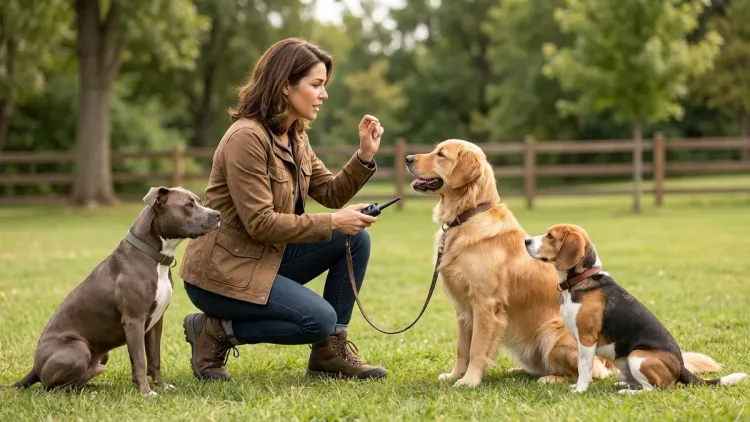
How you introduce and use a training collar matters as much as which collar you choose. The most common mistake I see? People slap a collar on, press the button, and wonder why their dog panics or shuts down.
Complete a proper introduction period before any corrections: Spend 3-7 days letting your dog wear the collar during positive activities (meals, playtime, walks with no corrections) so they build a neutral or positive association; introducing a training collar without fear prevents the collar itself from becoming an anxiety trigger.
Start at the lowest effective stimulation level: For e-collars, begin at level 1 and increase only until you see your dog's ears twitch or head turn slightly—you're looking for recognition, not discomfort; many people start way too high and damage trust before training even begins.
Pair corrections with clear, consistent commands: Your dog should hear "come," "heel," or another command before any correction—the collar reinforces the command, it doesn't replace training; dogs trained with collars alone often respond only when wearing the collar and ignore commands when it's off.
Limit training sessions to 10-15 minutes for adult dogs, 5-10 for puppies: Training collar work is mentally intense—long sessions lead to stress, shutdown, or learned helplessness rather than improved behavior; I use treat-based rewards to keep sessions upbeat even when using correction tools.
Remove the collar between training sessions: Continuous wear causes pressure sores, hair loss, and skin irritation—even well-fitted collars shouldn't stay on for more than a few hours at a time; one of my rescues developed a bald patch from wearing a prong collar overnight before I adopted her.
Combine with positive reinforcement: The most effective training uses corrections to interrupt unwanted behavior and rewards to reinforce desired behavior—a good dog training collar is one tool in a larger training plan, not the entire strategy.
Monitor your dog's body language continuously: Flattened ears, tucked tail, whale eye (showing whites), excessive panting, or shutting down are signs you need to reduce intensity, take a break, or reassess whether this tool is appropriate for your dog.
Ongoing Safety Monitoring
Training collar safety doesn't end once you get the fit right—you need to check regularly for physical and behavioral side effects that indicate problems.
Inspect your dog's neck daily for skin changes: Look for redness, hair loss, scabbing, or pressure marks every time you remove the collar; even properly fitted collars can cause irritation if your dog's skin is sensitive or if moisture gets trapped under the contact points.
Rotate contact point position for e-collars: If you're using a remote training collar daily, slightly shift the collar's position each session so the contact points don't rest on the exact same skin spots—this prevents pressure sores and allows any minor irritation to heal.
Watch for behavioral changes that suggest overstimulation: Increased fearfulness, refusing to train, avoiding you when you pick up the collar, or shutting down during sessions all indicate you're using too much correction or the collar isn't the right tool; I've seen dogs become hand-shy after e-collar misuse because they started associating their owner's movements with discomfort.
Reassess fit weekly during growth phases: If you're working with a dog under eighteen months, check fit weekly—puppies grow in spurts, and a collar that fit perfectly last week might be too tight now; large-breed puppies especially can add neck circumference rapidly.
Track training progress to ensure the collar is actually helping: If you've been using a training collar for 4-6 weeks and you're not seeing measurable improvement in the target behavior, the collar isn't working—either your technique needs adjustment, you need professional guidance, or this tool isn't appropriate for this particular behavior or dog.
Schedule a professional evaluation if you see regression: If your dog's behavior gets worse, they become more anxious, or you're increasing correction levels without results, stop using the collar and consult a certified professional dog trainer or veterinary behaviorist—escalating corrections without understanding why they're not working risks long-term behavioral damage.
Feature Selection and Technical Specifications
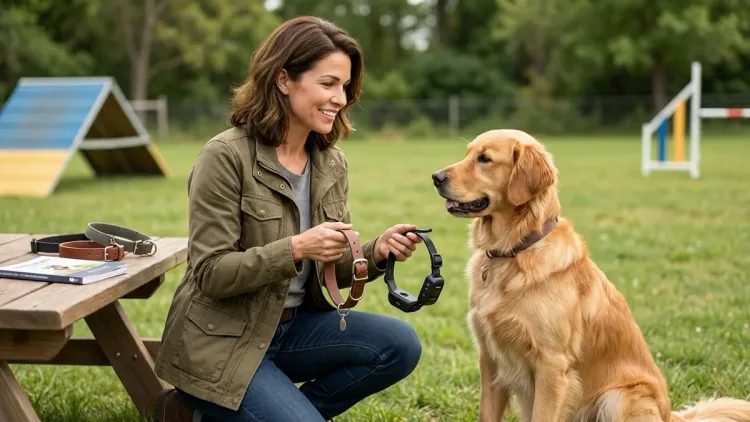
The bells and whistles on modern training collars aren't just marketing—some features directly impact safety and usability, while others are genuinely unnecessary for most pet owners.
Choose collars with adjustable stimulation levels: Good dog training collars offer at least 8-10 levels of adjustment so you can fine-tune to your individual dog's sensitivity; single-level collars remove your ability to start low and make precise adjustments.
Verify waterproof ratings if your dog swims or trains in wet conditions: IPX7 or higher means the collar can handle rain and shallow water exposure; my high-energy terrier mix loves puddles, so I specifically chose waterproof collars to avoid electrical malfunctions.
Consider range requirements based on your training environment: If you're doing backyard recall work, 300-yard range is plenty; if you're training on large properties or for hunting, you need 800+ yards; excessive range costs more and adds features you won't use.
Select collar weight appropriate to your dog's size: The receiver unit shouldn't weigh more than 10% of your dog's total body weight; heavy units cause discomfort and shift position during activity, especially on dogs under 20 pounds.
Look for rechargeable batteries over disposable ones: Rechargeable units maintain consistent power output and you'll know exactly when to recharge; disposable batteries fade gradually, delivering weaker corrections over time without you realizing it until they die completely.
Choose models with warning tones or vibration before correction: Progressive correction settings (tone → vibration → stimulation) give your dog a chance to respond before receiving the correction—this builds faster learning and reduces overall correction use.
Verify remote control ergonomics and button differentiation: You need to be able to operate the remote one-handed without looking at it during training; poorly designed remotes with identical-feeling buttons lead to accidental corrections at wrong moments, which confuses your dog and undermines training.
Final Check Before You Go
Run through this quick verification list every time you put a training collar on your dog:
- ✓ Collar sits high on neck, behind ears and below jawline
- ✓ Two-finger fit test passes—snug but not tight
- ✓ Contact points (if applicable) make skin contact through fur
- ✓ No skin irritation, redness, or hair loss from previous sessions
- ✓ Dog shows neutral or positive body language when collar comes out
- ✓ Remote is charged and set to lowest effective level
- ✓ Training plan includes positive reinforcement, not just corrections
- ✓ Session time limit set (10-15 minutes max for adults, 5-10 for young dogs)
- ✓ You're prepared to stop immediately if dog shows stress signals
- ✓ Collar will be removed immediately after training session ends
Frequently Asked Questions
Can I leave a training collar on my dog all day? No, you should remove training collars between training sessions—continuous wear causes pressure sores, skin irritation, and hair loss, even with properly fitted collars, and dogs shouldn't be receiving corrections outside of structured training time when they understand the context and have been given clear commands.
At what age can a puppy safely wear a training collar? Most veterinary behaviorists recommend waiting until at least six months of age before introducing any correction-based training collar, and many suggest waiting until your puppy is physically mature (12-18 months depending on breed)—younger puppies should use positive reinforcement methods, flat collars, and harnesses while their necks and tracheas are still developing.
How tight should a good dog training collar fit? Use the two-finger rule: you should be able to slide two fingers between the collar and your dog's neck, but not three—the collar should sit high on the neck just behind the ears and jaw without choking or allowing the collar to slip down to the mid-neck or rotate around during training sessions.
Final Thoughts
The grooming table has taught me that the gear we put on our dogs isn't neutral—it either builds trust and communication, or it erodes both. A good dog training collar, used correctly, can be a helpful tool for specific training challenges with the right dog. Used poorly, it damages the relationship you're trying to strengthen. I've fitted collars on dogs who barely noticed them because their owners did the homework first, and I've treated skin damage on dogs whose owners skipped these safety steps. The difference isn't the collar—it's the human on the other end of it.
My senior shepherd will never wear a training collar, not because they're inherently wrong, but because her medical history makes them unsafe for her specifically. My terrier mix thrived with an e-collar for recall work, but only after I spent two weeks on introduction protocols and kept sessions short. The best training collar approach matches the tool to the individual dog, starts with professional guidance when needed, and never replaces relationship-based training with button-pushing. You're fitting a tool to your dog, not forcing your dog to adapt to a tool.