


I've been grooming dogs for nearly a decade, and I can tell you that a dog's coat, energy level, and even temperament tell me everything about what they're eating. The best dog food isn't the same for every dog—it's the one that matches your specific dog's age, size, activity level, and health needs. I've seen senior shepherds transform on joint-supporting formulas and anxious rescues settle when their gut health improved through better nutrition. This guide walks you through everything I've learned from thousands of grooming appointments and my own four-dog household about choosing food that actually makes a difference.
What Is the Best Dog Food?
The best dog food is a complete and balanced formula that meets your individual dog's nutritional requirements based on their life stage, breed size, activity level, and any health considerations. There's no single "best" brand that works for every dog—what keeps my high-energy terrier mix thriving would be completely wrong for my senior shepherd with mobility issues.

When I talk about "best," I'm looking at several non-negotiable factors. First, AAFCO compliance: the food must meet Association of American Feed Control Officials standards for complete and balanced nutrition. This means it's been formulated to provide all essential nutrients in proper ratios, either through feeding trials or nutrient profiles. You'll find this statement on the package, and it's the baseline for any food worth considering.
Second, appropriate protein sources: dogs are omnivores with carnivorous tendencies, meaning they need substantial animal-based protein. I look for named meat sources (chicken, beef, salmon, turkey) in the first few ingredients, not vague terms like "meat meal" or "animal byproducts." The protein content should range from 18-25% for adult maintenance diets, higher for puppies, performance dogs, or certain health conditions.
Third, digestibility and bioavailability: a food can look perfect on paper but cause loose stools, dull coat, or low energy if your dog can't properly digest and absorb those nutrients. This is where my grooming work gives me an edge—I can see and feel the results of good nutrition in coat quality, skin condition, and even how a dog carries themselves on my table.
How Dog Food Nutrition Works

Dog food delivers nutrition through a balance of six essential nutrient categories: proteins, fats, carbohydrates, vitamins, minerals, and water. Each plays distinct roles in your dog's body, and understanding how they work together helps you evaluate food labels beyond marketing claims.
Proteins provide amino acids that build and repair tissues, produce enzymes and hormones, and support immune function. Dogs require 10 essential amino acids they can't synthesize themselves—these must come from dietary sources. Animal proteins (chicken, beef, fish, eggs) provide complete amino acid profiles, while plant proteins (peas, lentils, soy) often lack one or more essential aminos unless combined strategically. When I see a puppy with a soft, thin coat come through my shop, inadequate protein is often part of the picture.
Fats supply concentrated energy (more than twice the calories per gram as protein or carbs) and deliver essential fatty acids like omega-3 and omega-6. These support skin and coat health, reduce inflammation, aid nutrient absorption, and contribute to brain development in puppies. The difference between a dog eating food with adequate fat content (minimum 5.5% for adults, 8.5% for puppies) versus one eating low-fat kibble shows up immediately in my grooming work—the coat feels different in my hands, with proper fat creating that subtle sheen and texture.
Carbohydrates aren't technically essential for dogs, but they provide readily available energy, support gut health through fiber, and make kibble structurally possible. Quality sources include whole grains (brown rice, oats, barley), potatoes, sweet potatoes, and legumes. I'm less concerned about whether a food includes grains—despite marketing trends around grain-free formulas—and more interested in whether the carb sources are digestible and serve a functional purpose beyond cheap filler.
Vitamins and minerals regulate countless metabolic processes. Commercial dog foods must meet specific minimums and maximums for nutrients like calcium, phosphorus, vitamin A, vitamin D, and vitamin E. The ratios matter enormously—too much calcium in large breed puppies can cause skeletal problems, while insufficient calcium causes entirely different issues. This precision is why I recommend against home-cooked diets unless you're working with a veterinary nutritionist.
Water is the most critical nutrient, involved in every physiological process. Dry foods contain about 10% moisture, while wet foods typically contain 75-80%. Dogs eating exclusively dry food need constant access to fresh water—something I remind clients about when they're using automatic feeders, since water availability can get overlooked with the convenience of automated feeding.
The digestive process starts in the mouth (though dogs barely chew), continues through stomach acid breakdown, and reaches peak nutrient absorption in the small intestine. The quality of ingredients directly affects how much your dog actually absorbs versus passes through. This is why some premium foods recommend smaller serving sizes—higher digestibility means your dog extracts more nutrition per cup.
Why Choosing the Right Dog Food Matters

The food you choose shapes your dog's health trajectory in ways that show up immediately and compound over years. I've groomed the same dogs for most of their lives, which gives me a time-lapse perspective most pet parents don't get. The dogs on appropriate, quality nutrition age noticeably better—they maintain muscle mass longer, their coats stay healthier into senior years, and they simply move with more comfort.
Short-term impacts are what most people notice first. Within two to three weeks of switching to a better-matched food, I typically see improvements in coat condition, stool quality, energy levels, and sometimes behavior. One of my rescues, a terrier mix who came to me with constant loose stools and a rough, flaky coat, transformed completely when I switched from a grocery-store brand to a moderate-premium food with easily digestible proteins and appropriate fat content. His coat grew in softer, his stools firmed up, and his anxiety decreased—probably because he finally felt physically comfortable.
Long-term consequences are even more significant. Chronic poor nutrition contributes to obesity (affecting an estimated 56% of dogs in the US), which cascades into joint problems, diabetes, heart disease, and shortened lifespan. On the flip side, appropriate nutrition for life stage supports healthy growth in puppies, maintains lean body condition in adults, and helps manage age-related changes in senior dogs. The dogs I groom who've eaten quality, life-stage-appropriate food their entire lives consistently have better mobility, healthier skin, and fewer chronic issues than those who spent years on whatever was cheapest.
Life stage considerations can't be overstated. Large breed puppies fed adult or small-breed puppy formulas often grow too quickly, causing skeletal abnormalities that plague them for life. Pregnant or nursing dogs have dramatically increased caloric and nutrient needs that maintenance formulas don't meet. Senior dogs benefit from lower calories to prevent weight gain alongside higher protein to preserve muscle mass—a combination you won't find in adult maintenance foods.
The economic reality matters too. Better food isn't always more expensive when you account for feeding amounts, vet bills, and quality of life. I spend more per bag on my dogs' food than I would on grocery-store brands, but I feed less per meal due to higher digestibility, and my vet visits are routine rather than crisis-driven.
Types of Dog Food Formats
Dog food comes in several physical formats, each with distinct advantages and considerations. I use different formats for different dogs in my household based on their individual needs and preferences.
Dry food (kibble) represents about 60% of the dog food market. It's shelf-stable, economical, convenient to store and serve, and the crunchy texture provides minimal dental benefits through mechanical cleaning. Kibble typically contains 8-12% moisture and is manufactured through extrusion—mixing ingredients into a dough, cooking under pressure, then cutting and drying. Quality varies enormously within this category, from bottom-tier supermarket brands to premium formulas using high-quality proteins and no synthetic preservatives. The biggest practical advantage is convenience—it doesn't require refrigeration and stays fresh in its bag for weeks. The disadvantage is lower palatability for picky eaters and reduced moisture content, which can be a concern for dogs who don't drink enough water.
Wet food (canned) contains 75-80% moisture, offering significantly higher palatability and hydration. It's manufactured through batch cooking in cans or pouches, then heat-sterilized, which preserves nutrients without chemical preservatives. I use wet food as a topper for my senior shepherd, who has dental issues that make kibble uncomfortable and benefits from the extra moisture. The downsides are cost (typically 3-4 times more expensive per calorie than kibble), shorter shelf life once opened (3-5 days refrigerated), and less convenient portioning. For a comprehensive comparison of these formats, see our guide on dry dog food vs wet dog food.
Semi-moist food falls between dry and wet, with 25-35% moisture, often formed into chunks or patties. These typically contain higher levels of sugars, salts, and preservatives to prevent spoilage while maintaining the moist texture. I rarely recommend this format—it offers the worst of both worlds: lower nutritional density than kibble, higher preservatives than canned, and premium pricing without premium ingredients.
Fresh/refrigerated food has exploded in popularity over the past five years. These are gently cooked or raw formulas delivered fresh or frozen, requiring refrigeration. They offer minimal processing, high palatability, and better ingredient visibility (you can often see actual chunks of vegetables and meat). The challenges are cost (the most expensive option per calorie), storage requirements, and shorter shelf life. I've used fresh food during recovery periods after surgery or illness when appetite was critical.
Freeze-dried and dehydrated food removes moisture to create shelf-stable products that rehydrate with water. These preserve nutrients through gentle processing and offer convenience similar to kibble with quality closer to fresh food. They're excellent for travel, backup food, or training treats, but the primary food format would be cost-prohibitive for most households with medium or large dogs.
Raw food diets deserve their own mention, though they're controversial. These can be commercial (frozen or freeze-dried) or home-prepared, based on the premise that dogs evolved eating raw meat, bones, and organs. Proponents cite improved coat quality, better dental health, and increased energy. Critics point to bacterial contamination risks (Salmonella, E. coli), nutritional imbalances in home-prepared versions, and potential for intestinal blockage or perforation from bones. I don't feed raw myself—the safety concerns outweigh the benefits for my situation—but I've seen dogs thrive on properly formulated commercial raw diets.
Nutritional Categories and Special Formulations
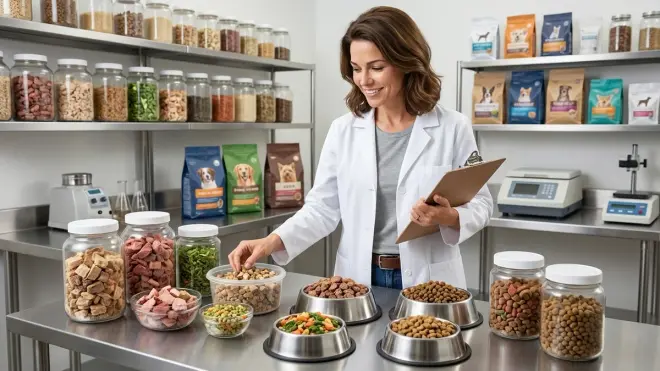
Beyond formats, dog food divides into nutritional categories designed for different health needs, life stages, and situations. Understanding these helps you match food to your dog's specific requirements.
Life stage formulas are the most fundamental categorization. Puppy formulas contain higher protein (minimum 22% dry matter), fat (minimum 8%), and specific calcium-to-phosphorus ratios to support rapid growth. Large breed puppy formulas specifically control calcium levels and energy density to prevent developmental orthopedic diseases. Adult maintenance formulas provide balanced nutrition for dogs who've finished growing but aren't yet seniors—typically ages 1-7 for most breeds, 1-5 for giant breeds. Senior formulas typically reduce calories while maintaining or increasing protein to preserve muscle mass, and often add joint-supporting ingredients like glucosamine and chondroitin. My 10-year-old shepherd moved to a senior formula two years ago, and the difference in his mobility has been noticeable.
Size-specific formulas address the dramatically different metabolic needs across breed sizes. Small breed formulas use smaller kibble sizes for tiny mouths and provide higher caloric density to match faster metabolisms. Large and giant breed formulas control growth rate through moderated fat and calcium levels, and often include joint support ingredients since these dogs are prone to hip dysplasia and arthritis.
Activity-level formulas range from weight management (lower calories, higher fiber to promote satiety) to performance (significantly increased protein and fat for working, sporting, or very active dogs). I feed my high-energy terrier mix a formula designed for active dogs—he maintains perfect body condition on portions that would leave a couch-potato dog of the same weight ravenous.
Health-specific formulas address medical conditions through precise nutritional intervention. Limited ingredient diets help identify food sensitivities. Hydrolyzed protein diets (proteins broken into tiny fragments that don't trigger immune responses) manage severe food allergies. Prescription formulas address kidney disease, liver disease, urinary issues, gastrointestinal problems, and more. These should only be used under veterinary guidance—they're powerful nutritional tools but can cause harm if used inappropriately.
Grain-free formulas exclude wheat, corn, rice, and other grains, typically replacing them with potatoes, sweet potatoes, or legumes. These emerged in response to perceived grain allergies, though true grain allergies are relatively rare in dogs. The FDA investigated a potential link between grain-free diets high in legumes and dilated cardiomyopathy (DCM) in breeds not typically prone to the condition. The research is still evolving, but I generally recommend grain-inclusive formulas unless your dog has a diagnosed grain sensitivity. For dogs who do need to avoid grains, check out our comprehensive guide to grain-free options.
Human-grade formulas use ingredients that meet FDA standards for human consumption. This doesn't automatically make them better nutritionally, but it does impose stricter quality controls on ingredient sourcing and manufacturing facilities. If you're curious about this designation, we have a detailed breakdown of what human-grade actually means.
How to Read Dog Food Labels

The label is your primary tool for evaluating dog food quality, but it's deliberately designed to highlight marketing claims while burying critical information. I've taught myself to read labels with a groomer's practical lens—what will this actually do for the dog?
The ingredient list appears in descending order by weight before cooking. This is crucial because ingredients with high moisture content (fresh chicken, beef) weigh more than dry ingredients (chicken meal, rice), which can make fresh meat look more prominent than it actually is after moisture is removed during cooking. If you see "chicken, rice, chicken meal" in that order, there's likely more chicken meal than fresh chicken in the final product once moisture cooks off.
Named protein sources should dominate the first five ingredients. Look for specific proteins like "chicken," "beef," "salmon," or "turkey" rather than vague terms like "poultry," "meat," or "fish." Meat meals (chicken meal, beef meal, lamb meal) are concentrated protein sources with moisture and fat removed—they're not inherently inferior to fresh meat, actually providing more protein per pound. What you want to avoid are generic terms like "meat meal" or "animal byproduct meal" that don't specify the source.
Fat sources should also be named: chicken fat, fish oil, flaxseed oil. "Animal fat" is a red flag—if they won't tell you what animal it came from, that's a quality concern.
Carbohydrate sources vary widely in quality. Whole grains (brown rice, oatmeal, barley), potatoes, and sweet potatoes are digestible and nutritionally valuable. Cheap fillers like corn gluten meal, wheat middlings, and rice hulls provide little nutrition and appear when manufacturers are cutting costs. If you're trying to avoid problematic ingredients, our guide to dog food ingredients to avoid offers a thorough checklist.
The guaranteed analysis provides minimum crude protein and crude fat percentages, plus maximum crude fiber and moisture. These are crude measures—they don't distinguish between digestible and indigestible portions or account for bioavailability. Two foods with identical guaranteed analyses can perform completely differently in practice based on ingredient quality and processing methods.
The AAFCO nutritional adequacy statement tells you whether the food is "complete and balanced" and for which life stage. Look for language like "formulated to meet AAFCO Dog Food Nutrient Profiles for Adult Maintenance" or better yet, "Animal feeding tests using AAFCO procedures substantiate that [Product] provides complete and balanced nutrition for Adult Maintenance." Feeding trials (actual dogs eating the food) are more rigorous than nutrient profile formulation (meeting requirements on paper). Our article on understanding AAFCO standards goes deeper into what this certification means.
Feeding guidelines on the package are starting points, not prescriptions. They're typically based on moderately active adult dogs and often run slightly high. I adjust portions based on body condition—I should feel my dogs' ribs easily under a thin layer of fat, see a waist when viewed from above, and notice a tucked abdomen from the side. The scale matters less than visual and tactile body condition assessment.
The best-by date and lot code matter more than most people realize. They enable tracking if recalls happen and tell you how fresh the food is. I won't buy kibble that's within three months of its best-by date—fats oxidize over time, reducing nutritional value and palatability.
Choosing Food for Your Specific Dog

Every dog in my house eats something different, which confuses people when they ask what I feed. The answer depends entirely on the individual dog's needs, and that's exactly the approach you should take with your own dog.
Age and life stage is the first filter. Puppies need puppy formulas with controlled calcium ratios for their breed size—this is non-negotiable for large and giant breeds. My terrier mix could eat any puppy food, but a Great Dane puppy needs a large-breed puppy formula to avoid orthopedic disaster. Adults need maintenance formulas matched to their activity level. Seniors benefit from formulas that support aging joints, maintain muscle mass, and often provide fewer calories since metabolism slows.
Breed size considerations affect more than just kibble size. Small breeds have fast metabolisms and small stomachs, needing calorie-dense foods in small, frequent meals. Giant breeds grow for extended periods and face significant orthopedic risks if fed incorrectly. Medium breeds are generally the least complicated—most adult maintenance formulas work fine for a healthy 40-pound dog with moderate activity.
Activity level dramatically changes caloric needs. My terrier mix who runs agility requires nearly twice the calories per pound as my senior shepherd who walks slowly around the block twice daily. If your dog is genuinely active—not just "plays in the yard sometimes" but performs sustained work, competes in sports, or accompanies you on long hikes—a performance formula prevents weight loss and maintains energy. Conversely, dogs who get minimal exercise need weight management formulas to prevent obesity.
Health conditions require specific nutritional interventions. Food allergies or sensitivities often respond to limited ingredient diets or novel protein sources (proteins your dog hasn't eaten before, like duck, venison, or kangaroo). Dogs with joint issues benefit from added glucosamine, chondroitin, and omega-3 fatty acids. Kidney disease requires restricted phosphorus and modified protein levels. Diabetes needs consistent carbohydrates and high fiber. These situations warrant veterinary guidance—don't guess.
Individual preferences and tolerances matter more than many experts acknowledge. Some dogs have cast-iron stomachs and thrive on anything meeting basic quality standards. Others have sensitive digestion that reacts to specific proteins, grains, or even processing methods. My shepherd cannot tolerate chicken in any form—it causes immediate diarrhea. Took me three different foods to figure that out, since chicken appears in the vast majority of dog foods. Once I switched to lamb-based formulas, his digestion stabilized completely.
Budget reality is worth addressing honestly. The absolute best food you can't afford to feed consistently is worse than a good mid-tier food you can sustain. I recommend buying the highest quality food that fits your budget without causing financial stress, then focusing on proper portions and overall care rather than obsessing over ultra-premium options that strain your finances. A dog fed appropriate amounts of mid-tier food will be healthier than a dog fed excessive amounts of premium food because the owner is trying to justify the cost.
Practical factors like availability, storage, and your schedule can't be ignored. If you travel frequently, a food that's nationally available in pet stores might be smarter than a boutique brand only sold online. If you have limited storage space, large bags that take three months to finish might oxidize before you use them up. If you're using automatic feeders for multiple dogs, kibble is more practical than wet food. These aren't excuses to compromise on nutrition, but they are real constraints that affect successful long-term feeding.
Transitioning to New Food

Switching foods abruptly is the fastest way to cause digestive upset. I learned this the hard way when I first brought my senior shepherd home and immediately switched him from whatever the shelter had been feeding to my preferred brand. Three days of diarrhea later, I finally did what I should have done initially—a gradual transition.
The standard transition schedule takes 7-10 days. Start with 75% old food mixed with 25% new food for 2-3 days. If stools remain normal, move to 50/50 for another 2-3 days. Then 25% old with 75% new for 2-3 days. Finally, switch to 100% new food. Dogs with sensitive stomachs may need even slower transitions—up to three weeks, changing the ratio every 4-5 days instead.
Watch for signs your dog tolerates the change: normal stool consistency, maintained appetite, steady energy levels, and no vomiting or excessive gas. Slight changes in stool firmness or increased gas for a day or two can be normal as gut bacteria adjust, but these should resolve quickly.
Red flags requiring you to slow down include persistent diarrhea lasting more than two days, vomiting, refusing food entirely, or lethargy. If any of these occur, revert to a higher proportion of old food and slow the transition. If problems persist even on the old food, you've either got a bad batch or an underlying health issue—veterinary consultation becomes necessary.
Kibble texture and shape differences can affect acceptance. Some dogs are surprisingly picky about mouthfeel. My terrier mix initially rejected a new food because the kibble was larger and flatter than he was used to—he'd pick up a piece, drop it, and look at me like I'd served him cardboard. Breaking the kibble into smaller pieces for the first week solved the problem until he adjusted.
Mixing wet and dry food requires slightly different math if you're using both. A combination of 75% dry and 25% wet (by caloric content, not volume) works for most dogs, providing palatability benefits of wet food with the practicality and dental advantages of kibble. Just remember that wet food is about 75% water, so you'll feed what looks like a huge amount of wet food compared to the calorie-equivalent in kibble.
Strategic transition timing makes a difference. Don't switch foods right before travel, boarding, a move, or other stressful events. Your dog's digestive system is more sensitive during stress. Don't switch if your dog is already experiencing digestive issues—address those first. And don't switch multiple things simultaneously. If you're also changing training treats or introducing new supplements, do those one at a time with a week between changes so you can identify what causes problems if they occur.
For a detailed walkthrough of this process, check out our guide on how to transition your dog to new food.
Common Mistakes I See Pet Parents Make
Working with thousands of dogs and their owners has shown me the same nutrition mistakes repeatedly, often from people who genuinely care but received poor advice.
Overfeeding is the most common and most damaging. More than half of American dogs are overweight or obese, setting them up for joint problems, diabetes, heart disease, and shortened lifespans. Feeding guidelines on bags typically run high, and people often add treats, table scraps, and "just a little extra" without accounting for those calories. I can spot overfed dogs immediately—they waddle onto my grooming table, struggle with basic movements, and often have skin problems in their folds. The fix is simple but requires discipline: follow portioning guidelines, reduce treats, and adjust based on body condition.
Inconsistent feeding confuses dogs' digestive systems. Some clients feed different brands week to week based on what's on sale, or mix three different foods together "for variety." Dogs don't need culinary excitement—they need consistent, appropriate nutrition. Their gut bacteria populations adapt to specific food compositions, and constant changes cause digestive upset. Pick a quality food and stick with it unless you have a specific reason to change.
Anthropomorphizing nutrition leads to poor choices. Clients tell me they couldn't feed the same food every day, so they assume their dog must be bored. Or they avoid by-products because they sound unappetizing, even though organ meats (liver, kidney, heart) are nutritional powerhouses that wild canids eat first from their prey. Dogs don't experience food the same way humans do—they're driven by smell and consistency, not novelty.
Supplement overuse is increasingly common. People add fish oil, probiotics, joint supplements, multivitamins, and more to complete and balanced foods that already contain these nutrients. Some supplements are genuinely beneficial for specific conditions, but randomly adding them can create imbalances or simply waste money. I give my senior shepherd a joint supplement recommended by his vet, but I don't add anything to my young, healthy dogs' food—they're getting everything they need from the food itself.
Ignoring body condition over scale weight leads to wrong conclusions. My terrier mix weighs 28 pounds, which is technically above "ideal" for his estimated breed mix. But he's pure muscle running agility courses and has perfect body condition—prominent waist, easily felt ribs, good abdominal tuck. His scale weight is meaningless. I've also groomed dogs at "ideal" weight who were actually too thin because their breed's muscle mass should have them above average weight. Use body condition scoring, not arbitrary weight targets.
Trusting marketing over fundamentals is epidemic. Grain-free became trendy despite most dogs tolerating grains perfectly fine. "Human-grade" sounds premium but doesn't guarantee superior nutrition. "Natural" is essentially meaningless from a regulatory standpoint. "Holistic" has no legal definition. These terms make owners feel good about their choices without necessarily improving outcomes. Learn to read labels and understand nutritional principles rather than responding to marketing triggers.
Delaying food changes when needed happens when people find something that works and become afraid to adjust even as circumstances change. The food perfect for your active adult dog may be too calorie-dense when they hit senior years with reduced activity. Puppies need to transition to adult formulas after growth completes. Dogs developing health issues need appropriate dietary modification. I stuck with my shepherd's adult food too long when he started showing age-related changes—by the time I finally switched to a senior formula, he'd lost muscle mass that took months to rebuild.
Brand Selection and Where to Buy

I don't recommend specific brands in this guide because what works for my dogs might be completely wrong for yours, but I can walk you through how I evaluate brands and where I shop.
Manufacturer transparency tells me a lot. I look for companies that own their production facilities rather than contracting to co-packers (though many quality brands use reputable co-packers). I want to see clear information about ingredient sourcing—where proteins come from, whether they use imported ingredients from countries with questionable quality control. I check recall history, though even good companies occasionally have recalls if they're transparent enough to catch problems. Red flags include vague ingredient origins, companies with multiple recent recalls, and brands that refuse to share production information.
Recall databases are public information. The FDA maintains recall lists, and several independent sites compile dog food recall histories. A single recall doesn't disqualify a brand—sometimes recalls happen because of supplier issues beyond the manufacturer's control, or because the company caught a potential problem proactively. Multiple recalls for the same issue, or recalls due to obvious quality control failures, concern me more.
Where to buy affects both price and freshness. Pet specialty stores (not big-box pet sections) typically carry higher-quality brands, staff who actually know about nutrition, and fresher inventory with faster turnover. The downside is higher prices. Online ordering (from manufacturer sites or specialty retailers, not Amazon where counterfeit and expired products are concerns) offers convenience and sometimes better pricing, but you can't inspect bags before purchase and shipping time means you need to plan ahead. I buy from a local feed store that moves inventory quickly and stores food properly—bags aren't sitting in hot warehouses or direct sunlight degrading fats.
Warehouse clubs often carry premium brands at significant discounts, but the bags are enormous—30-40 pounds or more. This only makes sense if you have multiple dogs or a large dog, and you can use the food before fats oxidize. I won't buy a 40-pound bag for my terrier mix who eats 1.5 cups daily—it would take three months to finish, and by month two the food would be losing nutritional value.
Autoship subscriptions through manufacturer sites or specialty retailers can save 10-20% and ensure you don't run out. I use this for my dogs' main food, but I inspect every bag on delivery for damage and check the best-by date. I've occasionally received bags near expiration that I sent back.
Sample programs are underutilized. Many premium brands offer sample sizes through their websites or will send samples if you call and explain you're considering switching. This lets you test your dog's acceptance and digestive tolerance before committing to a full bag. Some specialty stores also provide samples—I always ask before buying a new food for the first time.
Frequently Asked Questions

How do I know if my dog's food is high quality?
Quality dog food meets AAFCO standards for complete and balanced nutrition (check the label for this statement), lists named animal protein sources in the first three ingredients, avoids vague terms like "meat meal" or "animal byproduct," and comes from a manufacturer with transparent sourcing and minimal recall history. The real test, though, is how your dog responds—quality food produces firm stools, maintains healthy body condition, creates a shiny coat, and sustains consistent energy levels. If your dog thrives on a food that meets basic nutritional standards, that's quality for your specific dog regardless of price point.
Should I feed my dog grain-free food?
Only if your dog has a diagnosed grain allergy or sensitivity, which is actually quite rare—chicken, beef, and dairy are far more common allergens than grains. Grain-free foods replace grains with potatoes and legumes, which can be harder to digest for some dogs, and some formulations have been associated with dilated cardiomyopathy in certain breeds. Unless you have a specific medical reason confirmed by your veterinarian, grain-inclusive formulas are generally safer and often more affordable. My four dogs all eat grain-inclusive foods and have never shown any grain-related issues.
How much food should I actually feed my dog?

Start with the feeding guidelines on your specific food's package, but adjust based on your individual dog's body condition rather than weight alone. You should easily feel your dog's ribs under a thin layer of fat, see a defined waist when viewed from above, and notice an abdominal tuck from the side. If your dog is gaining weight, reduce portions by 10-15%. If they're losing weight or seem constantly hungry while maintaining good body condition, increase slightly. Activity level matters enormously—my high-energy terrier mix eats nearly double what package guidelines suggest for his weight because he's genuinely active, while my senior shepherd eats below guidelines because his activity is minimal.
Can I mix wet and dry food together?
Yes, and many dogs benefit from this approach. Mixing wet food with kibble increases palatability, adds moisture (helpful for dogs who don't drink enough), and can make meals more satisfying for dogs on calorie-restricted diets. Just account for the calories from both—wet food is typically 70-80 calories per 3-ounce serving, while kibble runs 300-400 calories per cup depending on the formula. A common ratio is feeding 75% of your dog's calories from kibble and 25% from wet food, which provides the benefits of wet food without the high cost of feeding exclusively canned. I use this combination for my senior shepherd who has dental issues that make pure kibble uncomfortable.
How often should I change my dog's food?
You shouldn't change food routinely—if your dog is thriving on a formula appropriate for their life stage, keep feeding it. Change only when circumstances require it: transitioning from puppy to adult food after growth completes (usually 12-18 months for most breeds, later for large and giant breeds), moving to senior formulas when your dog enters their golden years (around 7 years for most breeds, 5-6 for giant breeds), addressing new health conditions that require dietary intervention, or resolving ongoing issues like chronic digestive upset or suspected food sensitivities. Each change should be gradual over 7-10 days to avoid digestive problems, and you should have a clear reason for the switch beyond boredom or marketing claims.
Summary

Choosing the best dog food means matching nutrition to your individual dog's life stage, size, activity level, and health status rather than chasing marketing trends or premium labels. I've seen thousands of dogs over my grooming career, and the pattern is consistent: dogs fed appropriate, quality nutrition—whether premium or mid-tier—consistently show better coat condition, healthier body composition, and more stable energy than dogs fed whatever's cheapest or trendiest.
Start with AAFCO-compliant formulas using named protein sources, then narrow your choices based on your specific dog's needs. Read labels critically, transition new foods gradually, and assess success through your dog's body condition, coat quality, stool consistency, and energy levels rather than marketing claims. The food that makes your dog thrive is the best dog food for your household, even if it's not what works for anyone else's dog. My four rescues eat different formulas for good reasons—individual needs matter more than any single "best" recommendation ever could.