


I'll be honest—I spent years caring for guinea pigs before ever having a dog or cat in my life. When I finally fostered my first kitten (in addition to my three cavies, because apparently I'm allergic to free time), I realized something startling: I could recognize pet emergency symptoms in my small animals instantly, but I had no idea what constituted a true crisis in dogs and cats. That first week, I nearly rushed to the emergency vet three times for completely normal behaviors. Then, when something actually was wrong, I almost missed it.
Learning to recognize pet emergency symptoms in dogs and cats isn't about becoming paranoid—it's about developing the same intuition you'd want any pet parent to have. You'll learn the critical difference between "call the vet Monday" and "get in the car right now," understand species-specific warning signs that demand immediate attention, and build a mental checklist that works even when you're panicking. This guide assumes no medical background and takes about 15 minutes to read, but the knowledge stays with you for life.

What You'll Need
Before we dig into the symptoms themselves, gather these tools and resources:
- Your vet's emergency contact information (including after-hours numbers)
- The nearest 24-hour emergency veterinary clinic address (pre-program it into your phone's GPS)
- Pet Poison Control hotline number saved in your phone (ASPCA: 888-426-4435)
- A basic pet first aid reference guide (digital or printed—you'll want this accessible when you can't think straight)
- Your pet's baseline vital signs recorded (normal resting heart rate, breathing rate, gum color when healthy)
- A small flashlight or phone light (for checking pupils and gum color)
- A notebook or phone app to track symptoms with timestamps
- Transportation carrier or secure leash/harness (you don't want to search for these mid-crisis)
Step 1: Establish Your Pet's Normal Baseline
You can't spot abnormal breathing if you've never counted your dog's normal breaths per minute. This is the step I wish someone had hammered into my head before that first fostering experience.
For dogs, a normal resting respiratory rate ranges from 10-30 breaths per minute, while heart rates vary wildly by size—small dogs might hit 100-140 beats per minute at rest, while large breeds settle around 60-100. For cats, expect 20-30 breaths per minute and heart rates between 140-220 beats per minute. But here's the thing: your specific dog or cat might run consistently at the higher or lower end of that range.
Spend a week observing your pet when they're completely relaxed. Count chest rises for 15 seconds and multiply by four. Note their gum color (should be salmon-pink, not pale or bright red). Watch how they move, play, and respond to you. Take a short video of normal behavior—I know it sounds excessive, but when you're trying to describe "he's just acting weird" to an emergency vet at 2 a.m., that baseline footage becomes gold.
Document any breed-specific quirks. Brachycephalic breeds (bulldogs, pugs, Persian cats) naturally sound like small freight trains when they breathe. Greyhounds often have lower body temperatures than other dogs. What's normal for a Chihuahua would be tachycardia in a Great Dane.
Step 2: Recognize Respiratory Distress Signals
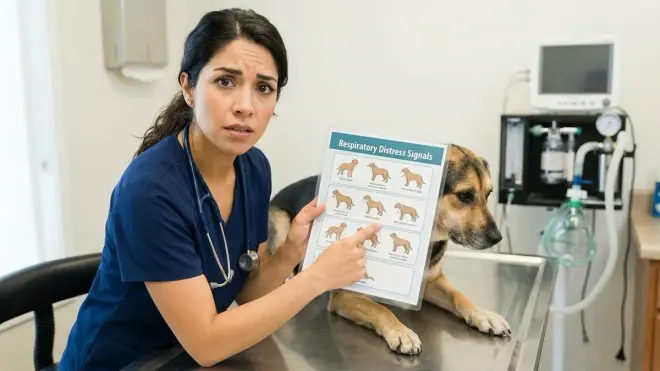
Respiratory emergencies kill faster than almost anything else, and they're the symptoms I see pet parents most frequently misjudge. This isn't about occasional coughing or sneezing—this is about recognizing when your pet cannot get adequate oxygen.
Watch for open-mouth breathing in cats—this is never normal and always constitutes an emergency. Cats are obligate nasal breathers; if a cat is panting (and hasn't just been playing vigorously for two seconds), they're in crisis. Dogs pant normally, but excessive panting at rest or panting that seems labored rather than cooling-focused signals distress.
Blue or gray gums indicate cyanosis (oxygen deprivation). Rapid, shallow breathing where the chest barely moves, or conversely, exaggerated abdominal breathing where the belly pumps dramatically with each breath, both signal severe distress. Listen for wheezing, crackling, or honking sounds—especially in cats, where any audible breathing can indicate airway obstruction or fluid in the lungs.
The position matters too. A pet extending their neck and widening their stance while breathing, refusing to lie down, or sitting with elbows splayed outward is trying to maximize airflow. This is called orthopneic positioning, and it's your cue to move immediately. Understanding what to do when your pet is choking what to do when your pet is choking becomes critical knowledge when seconds count.
Step 3: Identify Cardiovascular Emergency Signs
Heart-related emergencies often disguise themselves as other problems, which makes them particularly dangerous. I learned this the hard way when a foster dog I was caring for seemed "just tired" one afternoon—turned out he was in early heart failure.
Sudden collapse or weakness is the most dramatic sign, but many cardiovascular emergencies start more subtly. Watch for pale or white gums (indicating poor circulation), cold extremities (check ear tips and paw pads), or a rapid, weak pulse that feels thready under your fingers.
Unexplained restlessness combined with a refusal to lie down can indicate cardiac distress—your pet feels like they can't breathe when horizontal. In cats especially, sudden hind leg paralysis or weakness can signal a saddle thrombus (blood clot), one of the most painful emergencies felines experience. The back legs will feel cold to the touch, and your cat will cry out in pain when you try to move them.
Distended abdomen combined with labored breathing might indicate fluid accumulation (ascites) from heart failure. Coughing that worsens at night or when lying down in dogs can signal congestive heart failure—this isn't the same as a one-off kennel cough.
The broader context of pet emergency care: what every dog and cat owner needs to know becomes essential when you're trying to assess whether cardiovascular symptoms require immediate action or can wait for your regular vet.
Step 4: Spot Neurological Warning Signs
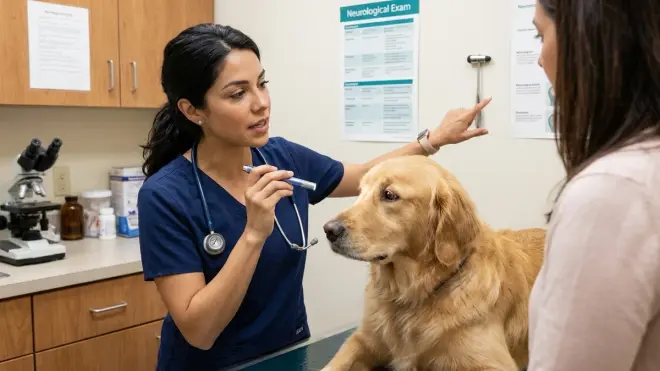
Neurological emergencies terrify me more than almost any other category because they can escalate so rapidly. The brain doesn't have much room for error, and time genuinely matters.
Seizures are the most obvious neurological emergency, but they're also surprisingly misunderstood. A full grand mal seizure involves loss of consciousness, falling over, paddling legs, possible urination/defecation, and sometimes vocalization. But focal seizures might look like facial twitching, excessive drooling, or odd repetitive behaviors like fly-snapping at nothing. Any seizure lasting more than five minutes, or multiple seizures in a 24-hour period, demands emergency care.
Sudden loss of balance or coordination (ataxia) where your pet stumbles, leans to one side, or can't walk straight suggests vestibular disease, stroke, or toxicity. Head tilt combined with rapid eye movements (nystagmus) points to vestibular issues. In senior pets, sudden vestibular disease can look absolutely terrifying but might resolve with supportive care—yet you still need emergency evaluation to rule out stroke.
Altered consciousness—extreme lethargy where you can barely rouse your pet, or conversely, unexplained aggression or disorientation—signals potential brain involvement. Circling, pacing, or pressing their head against walls all indicate neurological distress.
Unequal pupil sizes (anisocoria) or pupils that don't respond to light by constricting indicate serious problems, possibly increased intracranial pressure. This is where having that flashlight ready matters—check both eyes, watch the response.
Step 5: Recognize Gastrointestinal Emergencies
Vomiting and diarrhea are so common in pets that it's easy to dismiss them. But certain GI symptoms signal life-threatening emergencies, and knowing to recognize pet emergency symptoms in the digestive system has probably saved more pets than any other skill.
Bloat (gastric dilatation-volvulus) primarily affects large, deep-chested dogs and kills within hours if untreated. Your dog will have a visibly distended, drum-tight abdomen, will try to vomit but produce nothing (dry heaving), and will show extreme restlessness and pain. They might pace, pant, whine, and adopt a prayer position (front end down, rear up). This is a drop-everything-and-go emergency.
Multiple episodes of vomiting in a short period (especially with blood or coffee-ground appearance), projectile vomiting, or vomiting combined with severe lethargy all warrant immediate care. Diarrhea with blood (either bright red or black, tarry stool) indicates GI bleeding.
Straining to defecate with no results in cats can indicate a blocked colon (megacolon) rather than constipation—this is painful and dangerous. In dogs, straining might suggest a foreign body obstruction. Speaking of which, if you know or suspect your pet swallowed something they shouldn't have—string, toys, bones, toxic substances—that's an automatic emergency even if they seem fine currently. The specifics around pet poison control: common household toxins and treatment steps cover the toxicity angle in detail.
Severe abdominal pain—your pet won't let you touch their belly, may snap at you, holds their body rigid, or cries when you try to pick them up—indicates potential peritonitis, pancreatitis, or obstruction.
Step 6: Identify Urinary System Emergencies

Urinary emergencies don't always announce themselves dramatically, which makes them dangerously easy to overlook until your pet is in critical condition.
Complete inability to urinate constitutes one of the most time-sensitive emergencies in veterinary medicine. Male cats are particularly susceptible to urethral obstruction (blocked urethra from crystals or stones), but it happens in dogs and female cats too. Your pet will strain repeatedly in the litter box or outside with no urine produced, may cry out in pain, and will become increasingly distressed and lethargic as toxins build up.
Check their bladder by gently feeling their lower abdomen—a blocked bladder feels like a hard, round, painful balloon. Left untreated, urethral obstruction causes kidney failure within 24-72 hours. This is not a "wait and see" situation.
Blood in urine (hematuria) ranges from pink-tinged to frank blood. While sometimes caused by simple infections treatable on Monday, it can also indicate bladder stones, trauma, tumors, or coagulopathy (bleeding disorders). Combined with frequent attempts to urinate, straining, or obvious pain, it becomes urgent.
Sudden incontinence in a previously house-trained pet—especially if accompanied by weakness, pain, or neurological signs—can indicate spinal injury, bladder rupture, or serious metabolic disease.
Step 7: Assess Trauma and Toxicity
Obvious trauma—hit by car, fell from height, attacked by another animal—requires immediate veterinary care even if your pet seems "okay." Internal bleeding, organ damage, and shock can take hours to manifest, and by then you've lost critical treatment time.
But toxicity is where pet parents often hesitate, hoping the pet didn't actually ingest enough to matter. Here's the truth: if you saw your pet eat something potentially toxic, don't wait for symptoms. By the time symptoms appear, you're already behind the treatment curve. Common toxins include chocolate, xylitol (artificial sweetener), grapes/raisins, lilies (extremely deadly to cats), antifreeze, rodenticides, and human medications.
Symptoms of poisoning vary wildly by substance but watch for: sudden vomiting or diarrhea, tremors or seizures, excessive drooling, difficulty breathing, pale gums, collapse, unusual behavior or disorientation, and bleeding from any orifice (with rodenticide poisoning).
Heatstroke deserves mention here—dogs and cats don't cool efficiently in hot environments. Excessive panting, bright red gums, thick, ropy saliva, vomiting, diarrhea, and collapse indicate dangerous hyperthermia. This progresses to seizures and coma rapidly. Start cooling measures (lukewarm water, not ice) while heading to emergency care.
After any emergency, knowing what supplies you need on hand—like those covered in the guide to the best pet first aid kits owners need to keep on hand—means you're better prepared next time.
Step 8: Differentiate Between Urgent and Emergency
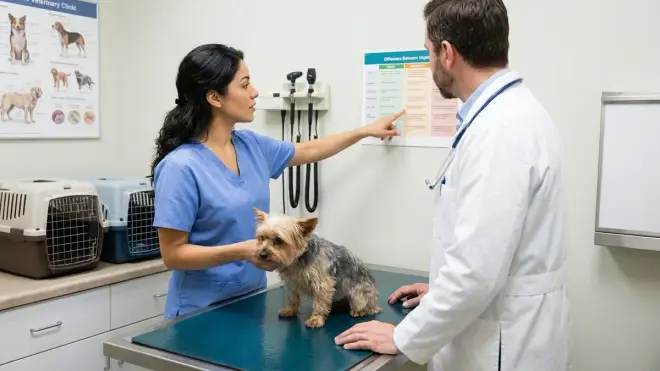
This might be the hardest skill to develop, and honestly, I still call my vet when I'm unsure. But certain situations genuinely cannot wait.
True emergencies (go now, not in the morning):
- Difficulty breathing or blue gums
- Unconsciousness or unresponsiveness
- Seizures lasting over 5 minutes or multiple seizures
- Bloat symptoms in dogs
- Complete inability to urinate
- Severe bleeding that won't stop with pressure
- Suspected toxin ingestion
- Eye injuries or sudden blindness
- Severe trauma
- Collapse or extreme weakness
- Heatstroke symptoms
- Signs of shock (pale gums, rapid weak pulse, cold extremities)
Urgent but potentially stabilizable (call ahead, head to emergency vet, but you have a small window):
- Mild to moderate bleeding that slows with pressure
- Vomiting/diarrhea with dehydration signs but still alert
- Limping with possible fracture but stable vitals
- Bite wounds that aren't actively bleeding
- Eye discharge with squinting (possible ulcer)
- Straining to urinate with some production
Concerning but can wait for business hours (call your vet first thing morning, monitor closely):
- Single episode of vomiting or diarrhea, still eating/drinking
- Mild limping with weight-bearing ability
- Decreased appetite for one day, otherwise normal
- Minor cuts or scrapes
- Ear infection symptoms
- Mild coughing without distress
When you're genuinely torn, understanding whether you need emergency vet vs regular vet services can help you make the right call.
Pro Tips & Common Mistakes
Trust your instincts. I cannot stress this enough. You know your pet better than anyone, and if something feels wrong, it probably is. I've watched experienced pet parents apologize for "overreacting" when they brought in pets that were, in fact, critically ill. No vet worth their license will shame you for coming in.
Don't try to feed a vomiting pet or force water on an animal that can't keep fluids down—you risk aspiration pneumonia. Wait for veterinary guidance.
Never give human pain medications without explicit veterinary instruction. Ibuprofen and acetaminophen are toxic to pets. Even one pill can cause life-threatening damage, especially in cats.
Keep cats confined when symptoms appear. A sick or injured cat will hide, and you cannot afford to spend 45 minutes searching under beds when time matters. Close them in a single room where you can monitor them and get them into a carrier quickly.
Write down symptoms with timestamps before calling the vet. "He vomited three times between 2 p.m. and 4 p.m., all food, no blood, seemed weak after the second episode" is infinitely more useful than "he's been throwing up." Your brain will not retain details when you're panicking.
Don't restrain a seizing pet or put your hands near their mouth—they're not conscious and cannot swallow their tongue (that's a myth), but they can bite you unintentionally. Note the seizure duration, clear objects away from them, and keep them safe.
Take videos when possible. That weird breathing pattern, the odd gait, the concerning behavior—they might not do it at the vet clinic, and video gives veterinarians crucial diagnostic information.
The biggest mistake? Waiting to see if symptoms resolve overnight. I've heard so many heartbreaking stories that start with "we thought he'd be better by morning." Nighttime is when most emergencies escalate because pet parents delay. Emergency veterinary care exists for a reason—use it.
Frequently Asked Questions
How can I tell if my cat's rapid breathing is an emergency or just from playing?

A cat's breathing should return to normal (20-30 breaths per minute) within 5-10 minutes after vigorous play, and they should breathe quietly through their nose. If your cat continues panting beyond that recovery window, breathes with their mouth open while at rest, shows exaggerated belly movement while breathing, or has bluish gums, that's a respiratory emergency requiring immediate veterinary care regardless of recent activity levels.
What should I do first when I recognize pet emergency symptoms—call the vet or start driving?
Call while someone else drives, or call hands-free en route—those minutes allow the emergency clinic to prepare for your arrival and can provide life-saving instructions you should implement immediately, such as CPR guidance, positioning advice, or whether to induce vomiting in toxicity cases. If you're alone with an unconscious or severely compromised pet, prioritize getting to the clinic immediately and call from the parking lot if necessary.
Can I wait until morning if my dog seems uncomfortable but not in obvious distress?
It depends entirely on the specific symptoms—severe abdominal pain, inability to urinate, difficulty breathing, repeated vomiting, or pale gums all constitute emergencies regardless of how "mild" they seem, while minor limping or decreased appetite can often wait for business hours. When uncertain, call an emergency vet hotline to describe symptoms; they can help you assess urgency level and most won't charge for that initial triage call.
How do I know if my pet is in shock and what should I do about it?
Shock symptoms include pale or white gums, rapid breathing, weak rapid pulse, cold extremities (ear tips and paw pads), mental dullness or confusion, and in later stages, collapse. If you suspect shock, keep your pet warm with blankets, position them on their right side with head slightly lower than body to improve blood flow to the brain, avoid giving food or water, and transport immediately to emergency care—shock is life-threatening and worsens rapidly without intervention.
Summary
Learning to recognize pet emergency symptoms in dogs and cats transforms you from a panicked pet parent into someone who can act decisively when it matters most. The key lies in knowing your pet's normal baseline, understanding which symptoms demand immediate action versus those that can wait until morning, and trusting your instincts when something feels wrong.
Watch for respiratory distress (especially open-mouth breathing in cats), cardiovascular signs (pale gums, collapse, weakness), neurological changes (seizures, disorientation, sudden loss of coordination), GI emergencies (bloat symptoms, bloody vomiting or diarrhea), and urinary blockages (straining without production, especially in male cats). When in doubt, make the call or make the drive—no one has ever regretted seeking emergency care for a genuinely ill pet, but many have regretted waiting.
Keep emergency numbers programmed, know your baseline, and remember: that nagging feeling that something's wrong is data too.