


I'll never forget the Sunday morning I found my guinea pig Pepper nibbling on a houseplant leaf that had fallen into her play area—and the cold panic that followed when I Googled the plant name. Thankfully, it turned out to be safe, but that moment launched me down a deep rabbit hole of pet poison control common toxins research. Whether you share your space with guinea pigs, dogs, cats, rabbits, or other companion animals, understanding which everyday items can turn toxic is genuinely lifesaving knowledge. The household items we barely think twice about—chocolate on the coffee table, that pretty lily on the windowsill, even certain brands of sugar-free gum in your purse—can pose serious poisoning risks to our pets.
What Is Pet Poison Control?
Pet poison control refers to both the specialized resources available when your animal ingests a toxic substance and the broader body of knowledge about which household items are dangerous to different species. The ASPCA Animal Poison Control Center operates 24/7 specifically to help pet parents navigate poisoning emergencies, staffed by veterinary toxicologists who understand species-specific reactions to thousands of substances.

Here's what I wish I'd known from day one: pet poison control common toxins vary dramatically by species. What's perfectly safe for humans—or even safe for one type of pet—can be lethal to another. Dogs can eat blueberries without issue, but grapes are toxic to them. Cats lack the liver enzymes to process acetaminophen. Guinea pigs, rabbits, and other small herbivores have incredibly sensitive digestive systems that can't handle processed foods or certain plants that larger animals tolerate.
The "control" aspect means having both prevention strategies (knowing what to keep away from your pets) and response protocols (knowing exactly what to do in those first critical minutes after exposure). Most poisonings happen faster than you'd expect—sometimes within 15-30 minutes of ingestion for certain toxins.
How Pet Poisoning Works
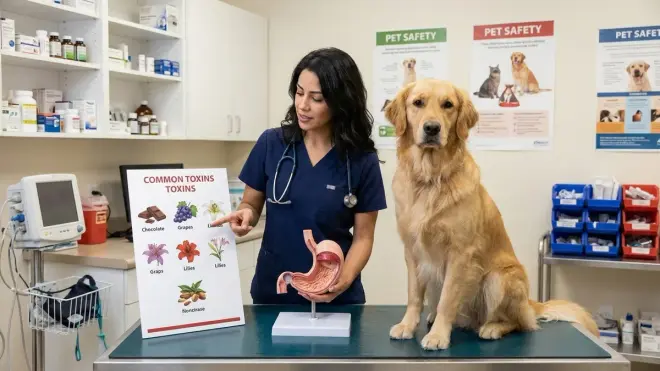
The mechanism behind pet poison control common toxins depends entirely on the substance and the species exposed. I learned this the hard way when researching why onions are so dangerous to guinea pigs but my human roommate could eat them without issue.
Toxic mechanisms fall into several categories:
Metabolic toxins interfere with how the body processes nutrients or eliminates waste. Grapes and raisins cause acute kidney failure in dogs through a mechanism researchers still don't fully understand—the toxic compound hasn't been definitively identified as of 2026, but the damage to kidney tissue is devastating and can occur from even small amounts. For cats, lilies (especially Easter, tiger, and Asiatic varieties) cause similar kidney destruction, with even pollen exposure or drinking water from the vase proving fatal.
Neurological toxins affect the nervous system. Chocolate contains theobromine and caffeine, both methylxanthines that dogs and cats metabolize far more slowly than humans. These compounds cause hyperactivity, tremors, seizures, and cardiac arrhythmias. Dark chocolate and baking chocolate contain higher concentrations than milk chocolate, making them more dangerous. Macadamia nuts cause temporary neurological symptoms in dogs—weakness, trembling, hyperthermia—though researchers haven't isolated the exact toxic compound.
Blood toxins interfere with clotting or oxygen transport. Rodenticides (rat poison) work by preventing blood clotting, causing internal bleeding. Onions and garlic contain compounds that damage red blood cells in dogs, cats, and small herbivores like guinea pigs and rabbits, leading to hemolytic anemia. The damage is cumulative—small amounts over time can be just as dangerous as a single large dose.
Cellular toxins damage organs at the cellular level. Xylitol, a sugar substitute found in sugar-free gum, candies, and even some peanut butter brands, causes a massive insulin release in dogs, leading to dangerous hypoglycemia within 30 minutes. In larger doses, it causes acute liver failure. Acetaminophen (Tylenol) destroys liver cells in cats and causes methemoglobinemia, preventing oxygen transport in the blood.
The dose-toxicity relationship matters enormously. A 70-pound Labrador who steals a few chocolate chips faces a different risk than a 5-pound Yorkie eating the same amount. Similarly, my three-pound guinea pigs have zero tolerance for many substances that might only cause mild upset in a larger animal. This is why knowing your pet's exact weight becomes critical information when you're on the phone with poison control or emergency vet services.
Why Understanding Pet Poison Control Common Toxins Matters
Every year, the ASPCA Animal Poison Control Center handles over 400,000 cases involving pets and toxic substances—and those are just the reported cases. Many poisonings go unreported because they're mild, the pet parent doesn't connect the symptoms to a toxin, or tragically, because the pet doesn't survive long enough to receive care.
The window for effective treatment is shockingly narrow for many toxins. With xylitol in dogs, you have maybe 30-60 minutes before hypoglycemia causes seizures or loss of consciousness. With antifreeze (ethylene glycol), the difference between recovery and fatal kidney failure can be whether you seek treatment within the first few hours. I think about this every time I leave my apartment door open while bringing in groceries—one dropped stick of gum containing xylitol could be catastrophic if a neighbor's dog wandered in.
Prevention beats treatment every single time. Once you know that essential oils can be toxic to cats through both skin contact and inhalation, you simply don't diffuse them in spaces your cat occupies. When you understand that avocado is toxic to birds, rabbits, and guinea pigs (the persin compound damages heart muscle), you're extra careful about where you prep guacamole.
The financial reality matters too, though I hate reducing a pet's life to dollars. Pet poison control consultations typically run around $75-95 per case. Emergency vet visits for poisoning often start around $500-1,000 and can escalate to several thousand dollars if your pet needs multi-day hospitalization, IV fluids, blood transfusions, or dialysis. Some toxins require ongoing monitoring and treatment for weeks.
But beyond the money and the medical urgency, there's the emotional weight. The guilt of knowing your pet suffered because of something you brought into the home, something preventable—that stays with you. Learning about pet poison control common toxins before an emergency happens means you sleep better, you make safer choices, and you spend less time imagining worst-case scenarios every time your guinea pig wheeks at something on the floor.
Common Household Toxins by Pet Type
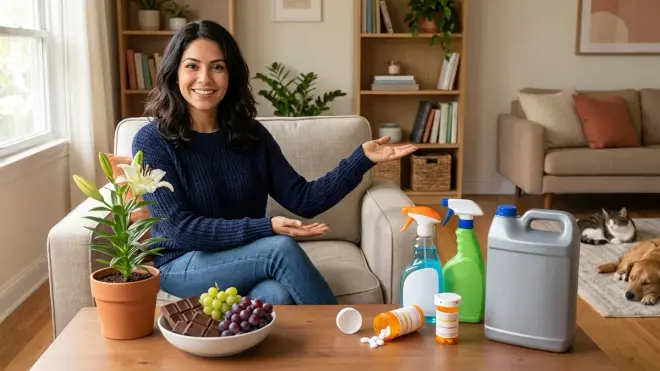
Not all pets face the same poisoning risks. What threatens my guinea pigs isn't necessarily what endangers your Husky or your tabby cat. Here's how the most common toxins break down by species—though I'm focusing heavily on small pets since that's where my hard-won experience lives.
Dogs
Chocolate and caffeine top the list. The rule of thumb: the darker and more concentrated, the more dangerous. Baking chocolate poses the highest risk, followed by dark chocolate, then milk chocolate. Even the theobromine in cocoa mulch used in gardens can be problematic if dogs eat it.
Xylitol deserves its own warning. Check ingredient lists on peanut butter (some brands like certain varieties of Jif and Skippy contain it), sugar-free gum, candies, baked goods, and even some medications and dental products. The Ark Naturals Brushless Toothpaste for dogs is xylitol-free, but some human toothpastes used improperly on pets contain it.
Grapes and raisins cause kidney failure. The toxic dose varies wildly between individual dogs—some tolerate small amounts while others develop acute kidney injury from just a few grapes. Since you can't predict your dog's sensitivity, treat all grapes as dangerous.
NSAIDs and acetaminophen from the medicine cabinet. A single 200mg ibuprofen tablet can cause stomach ulcers in small dogs. Dogs also get into their own medications—overdosing on flavored joint supplements or pain medications happens more than you'd think.
Cats
Lilies are the big one. Every part of the plant is toxic—petals, leaves, pollen, even the water in the vase. I've had multiple friends who are cat parents completely give up cut flowers because the risk isn't worth it.
Essential oils used in diffusers, cleaning products, or topical applications. Cats lack certain liver enzymes (glucuronyl transferase) needed to metabolize many essential oils. Tea tree oil, pennyroyal, and pine oils are particularly dangerous. Even walking through diffused oil droplets and then grooming their paws can cause toxicity.
Acetaminophen (Tylenol) is extraordinarily toxic to cats. A single regular-strength tablet can be fatal to an average-sized cat. Never, ever give cats human pain medications without explicit veterinary instruction.
Permethrin, found in some dog flea treatments and in products used on clothing or yard treatment. Cats are exquisitely sensitive to this insecticide. Always check that flea treatments are specifically labeled for cats.
Small Mammals (Guinea Pigs, Rabbits, Hamsters, Gerbils)

This is my wheelhouse. Small herbivores have digestive systems that evolved to process grass and leafy greens, period. Their tolerance for anything outside that narrow range is minimal.
Chocolate and caffeine affect small mammals just like they do dogs and cats, but the dose that's toxic is proportionally much smaller given their tiny body weight. A guinea pig weighing two pounds encountering even a small amount of chocolate faces serious risk.
Avocado contains persin, toxic to guinea pigs, rabbits, and birds. It causes heart muscle damage and respiratory distress. Don't let your small pet anywhere near your avocado toast crumbs.
Onions, garlic, and related alliums (leeks, chives, shallots) cause hemolytic anemia. This includes powdered forms in seasoning. I'm fanatical about cleaning my kitchen counters before letting my guinea pigs have floor time, because even a tiny bit of garlic powder from cooking could make them sick.
Houseplants are a huge category. Pothos, philodendron, dieffenbachia, ivy, and many common plants contain calcium oxalate crystals that cause oral irritation, excessive drooling, and difficulty swallowing. Even "safe" plants can cause issues if they've been treated with pesticides or fertilizers. I keep all my plants on high shelves now, well out of wheek-range.
Processed foods and high-sugar items. Small mammals can't process sugar, salt, or fats the way omnivores can. What seems like a harmless treat—a single Cheerio, a bit of cookie—can cause fatal gastrointestinal stasis or bloat.
Birds
Avocado, chocolate, caffeine, and salt are all highly toxic. Birds are also sensitive to Teflon/PTFE fumes from overheated non-stick cookware—the fumes can kill birds within minutes. Heavy metals from certain toys or cage materials can cause chronic poisoning.
Recognizing Poisoning Symptoms
Knowing what to watch for matters just as much as knowing what's toxic. Pet emergency symptoms vary by the toxin and the species, but some universal red flags include:
Gastrointestinal signs: vomiting, diarrhea, excessive drooling, loss of appetite, or abdominal pain. My guinea pig Cinnamon once had suspicious soft stool after accidentally getting into some lettuce that had been dressed with vinaigrette—the oil and seasonings were too much for her system.
Neurological signs: trembling, seizures, difficulty walking, weakness, or appearing disoriented. These suggest the toxin is affecting the nervous system and require immediate veterinary care.
Respiratory signs: difficulty breathing, rapid breathing, or open-mouth breathing (especially concerning in small mammals who normally breathe only through their noses).
Cardiac signs: rapid or irregular heartbeat, pale gums, or collapse.
The tricky part is that symptoms may not appear immediately. Some toxins take hours to cause observable problems, even though damage is already occurring internally. This is why knowing what your pet ingested matters more than waiting to see if symptoms develop.
Treatment Steps for Pet Poisoning
If you suspect your pet has ingested a toxin, time is literally tissue—meaning the faster you act, the less damage occurs. Here's the protocol I have taped to my refrigerator:
Step 1: Identify the Substance
Figure out exactly what your pet ingested, how much, and when. Grab the package if possible—you'll need the ingredient list. For medications, note the drug name and strength. For plants, try to identify the species (take a photo if you can't bring a sample).
Step 2: Contact Poison Control or Your Vet Immediately
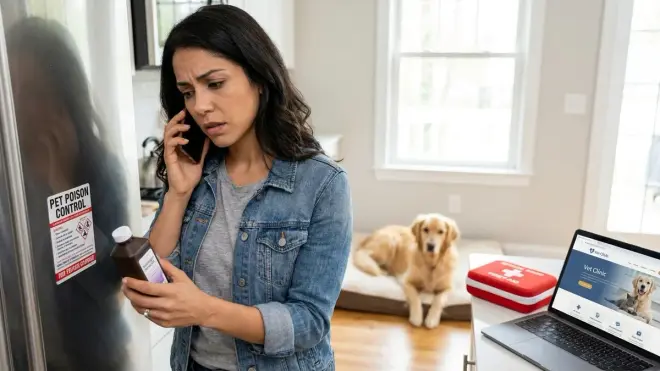
Call the ASPCA Animal Poison Control Center (888-426-4435) or the Pet Poison Helpline (855-764-7661) immediately. Yes, there's usually a consultation fee (around $75-95), but you get immediate access to veterinary toxicologists who can tell you whether this is a "monitor at home" situation or a "get to the emergency vet NOW" situation.
Alternatively, call your regular veterinarian or the nearest emergency clinic. The information you gathered in Step 1 determines the treatment protocol. This is where understanding the difference between routine care and emergency vet services becomes critical—poisonings almost always require emergency-level care.
Step 3: Follow Professional Guidance Exactly
Do NOT induce vomiting unless explicitly instructed to do so. This is probably the most important thing I can tell you. For some toxins (caustic substances, petroleum products), vomiting makes the damage worse. For others, if too much time has passed, the toxin has already moved beyond the stomach and inducing vomiting won't help.
If you are instructed to induce vomiting, the typical method is 3% hydrogen peroxide at a dose of 1 teaspoon per 5 pounds of body weight in dogs (never in cats or small mammals). But again, only do this under professional guidance.
Activated charcoal may be recommended. It binds to certain toxins in the gastrointestinal tract, preventing absorption. Veterinarians administer this, not pet parents at home.
Step 4: Transport Safely to Veterinary Care
If you're told to bring your pet to the clinic, transport them safely and calmly. Bring the toxin package/sample with you. For small animals, secure them in their regular carrier. For larger pets, have someone else drive if possible so you can monitor your pet.
Don't give food or water unless instructed. Don't waste time trying home remedies you found on random internet forums—I cannot stress this enough.
Step 5: Prepare for Supportive Care
Treatment for poisoning often involves supportive care—IV fluids to support kidney function and prevent dehydration, anti-nausea medications, medications to protect the stomach lining, and monitoring of vital signs. Some toxins have specific antidotes (like vitamin K1 for rodenticide poisoning or fomepizole for antifreeze), but many don't. The treatment becomes managing symptoms and supporting the body while it metabolizes and eliminates the toxin.
For pets requiring overnight or multi-day hospitalization, ask about visiting policies and update schedules. Having a well-stocked pet first aid kit at home is helpful for minor emergencies, but poisoning almost always requires professional intervention beyond first aid.
Prevention Strategies
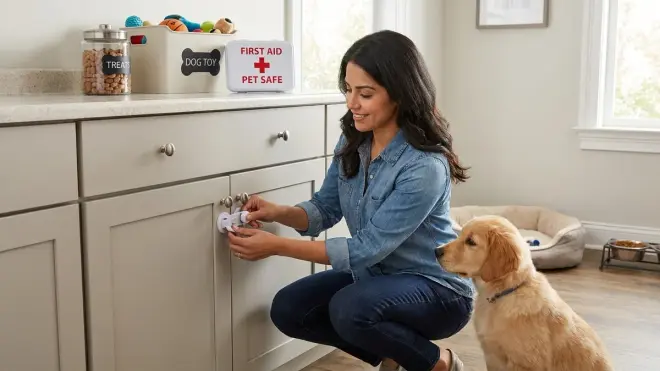
I've become almost obsessive about toxin prevention since becoming a guinea pig parent in a small apartment. Here's what actually works:
Secure storage for medications, cleaning supplies, automotive products, and anything else potentially toxic. I use child-proof locks on the cabinet under my kitchen sink and keep all medications in a high cabinet.
Plant awareness. Before bringing any new plant into your home, check the ASPCA's toxic plant database. I've had to pass on some gorgeous houseplants because they weren't safe for my guinea pigs during floor time.
Careful food storage. Chocolate, grapes, and other dangerous foods go in sealed containers in high cabinets. I'm militant about not leaving snacks on the coffee table, even though my guinea pigs couldn't reach them—it's about building habits that protect all pets, not just mine.
Read ingredient labels obsessively. This applies to peanut butter (checking for xylitol), dog treats you might give as occasional guinea pig enrichment (many aren't appropriate), and any cleaning product you use on floors or surfaces pets contact.
Safe cleaning. I switched to vinegar and water for most cleaning after learning how many common household cleaners are toxic. For tougher jobs, pets are secured away from the area until everything is thoroughly dried and ventilated.
No sharing human food. This is a hard rule in my apartment. My guinea pigs get vegetables, hay, and species-appropriate pellets. They don't get bites of my dinner, no matter how persuasively they wheek.
The investment in prevention—both the time spent researching and the money spent on safer alternatives—is infinitely smaller than the cost of treating a poisoning emergency.
Frequently Asked Questions
What should I do immediately if my pet eats something toxic?
Immediately identify what they ate, how much, and when, then call the ASPCA Animal Poison Control Center at 888-426-4435 or your veterinarian before doing anything else. Do not induce vomiting, give food or water, or try home remedies unless explicitly instructed by a veterinary professional, as some toxins cause more damage if vomited and timing matters enormously for effective treatment.
How quickly do poisoning symptoms appear in pets?
Poisoning symptoms can appear anywhere from 15 minutes to several days after ingestion depending on the toxin and the species. Xylitol causes hypoglycemia in dogs within 30-60 minutes, while antifreeze symptoms may not appear for 12-24 hours even though kidney damage is already occurring, which is why immediate veterinary consultation matters even if your pet seems fine.
Can I give my dog hydrogen peroxide to make them vomit after eating chocolate?
Only give hydrogen peroxide to induce vomiting if a veterinary professional specifically instructs you to do so after you've described exactly what your dog ate, how much, when, and your dog's weight. The dose is typically 1 teaspoon of 3% hydrogen peroxide per 5 pounds of body weight for dogs only (never cats or small mammals), but this is only appropriate for certain toxins within specific time windows.
Are all lilies toxic to cats or just certain types?
True lilies including Easter lilies, tiger lilies, Asiatic lilies, and daylilies are extremely toxic to cats, causing acute kidney failure from even small exposures including pollen or vase water. Peace lilies and calla lilies belong to different plant families and cause only oral irritation rather than kidney damage, but it's safest to keep all lily-type plants away from cats given the identification confusion and the severe consequences.
Is chocolate toxic to all pets or just dogs?
Chocolate is toxic to dogs, cats, rabbits, guinea pigs, hamsters, birds, and most other pets due to the theobromine and caffeine content that these species metabolize much more slowly than humans. Dogs experience the most reported chocolate poisonings simply because they're more likely to raid accessible food sources, but the toxic mechanism affects all these species with severity depending on the amount consumed relative to body weight.
Final Thoughts

The Sunday morning I found Pepper investigating that fallen leaf, I didn't have the knowledge I needed to stay calm. My hands shook while I frantically Googled, imagining worst-case scenarios, wishing I'd learned about pet poison control common toxins before owning guinea pigs rather than in a moment of panic.
You don't have to learn this way. Bookmark the ASPCA poison control number. Walk through your home with fresh eyes, looking at every houseplant, every medicine bottle, every snack on the counter from your pet's perspective. Think about what they could reach, what might fall, what seems harmless but isn't. The fifteen minutes you spend now identifying and securing potential toxins could save your pet's life and save you from the particular anguish of preventable suffering.
Keep the emergency numbers visible—on the fridge, in your phone contacts, somewhere you won't have to search for them while your pet is in distress. Stock up on basic information about pet emergency care so you're not learning these protocols under pressure. And extend yourself some grace for the things you didn't know before reading this. None of us get everything right from day one. What matters is building safer spaces for our companions going forward, one learned lesson at a time.