
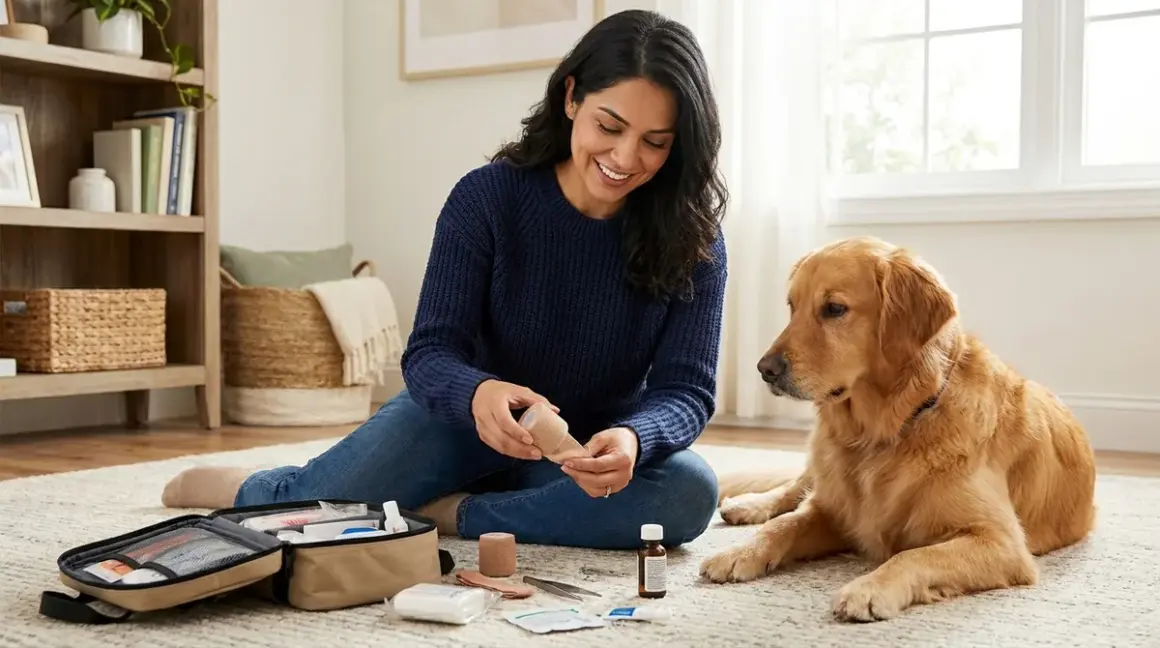

Last month, my guinea pig Butterscotch managed to snag her ear on a sharp cage wire during one of her popcorning sessions. There was blood, there was panic, and there was me frantically digging through drawers looking for gauze that was actually pet-safe. That scrambling moment taught me something I wish I'd learned earlier: having the best pet first aid kit within arm's reach isn't optional—it's as essential as hay and fresh water.
Whether you're caring for dogs, cats, or small animals like my beloved cavies, emergencies don't wait for business hours. After that scare with Butterscotch, I researched every option available and put together this guide to help you find the best pet first aid kit for your household. The quick verdict? You need a comprehensive kit designed specifically for animals (human supplies often contain ingredients toxic to pets), stocked with essentials for wound care, and tailored to your pet's size and species.
What to Look For in a Pet First Aid Kit
Species-Appropriate Contents
Not all first aid kits work for every pet. The best pet first aid kit for a 70-pound Labrador looks very different from one designed for a three-pound guinea pig or a ten-pound cat. Dogs need larger bandages and muzzles (even the sweetest pup may bite when injured), while cats require specialized restraint methods and stress-reducing considerations. Small animals like rabbits, guinea pigs, and hamsters need ultra-gentle materials since their delicate skin tears easily, and they're prone to shock from stress alone.
Look for kits that either specify which species they're designed for or include versatile supplies that scale across pet types. I learned this the hard way when I bought a "universal" kit that included a muzzle my guinea pigs certainly couldn't use and bandages way too large for their tiny legs. If you have multiple pet types, you might need more than one kit—or a comprehensive one you customize yourself.
Comprehensive Wound Care Supplies
The core of any worthwhile kit is wound management. At minimum, you need sterile gauze pads in multiple sizes, non-stick wound pads, self-adhering bandage wrap (the kind that sticks to itself but not fur—trust me, this matters), and medical tape that's gentle enough for sensitive skin. Antiseptic solutions matter tremendously: look for chlorhexidine or povidone-iodine, which are safe for most pets when properly diluted. Avoid hydrogen peroxide for wound cleaning—despite old-school advice, veterinarians now know it damages tissue and slows healing.
I also prioritize kits with hemostatic gauze or styptic powder for bleeding control. When Butterscotch cut her ear, having styptic powder meant the difference between controlled bleeding and a panicked middle-of-the-night emergency vet visit. For small animals especially, even minor blood loss can be serious—they have so little to spare.
Emergency Reference Materials

Here's something I didn't appreciate until I needed it: panic makes you forget everything. The best pet first aid kit includes laminated instruction cards or a reference booklet with clear, step-by-step guidance for common emergencies. Look for materials that cover choking relief techniques (I'll touch more on what to do when your pet is choking later), CPR instructions specific to your pet's size, how to handle seizures, and bite wound protocols.
Some kits include contact cards where you can pre-fill your vet's number, the nearest emergency clinic, and poison control (the ASPCA Animal Poison Control Center at 888-426-4435 is invaluable). Having these numbers already written down when you're shaking and your guinea pig isn't moving right—that's worth more than half the supplies in the box.
Quality Storage and Portability
A first aid kit buried in a closet or falling apart in your car trunk isn't going to help anyone. Look for durable, water-resistant cases with clear organization—either compartments, pouches, or labeled sections. I keep one kit in my apartment and a smaller travel version for vet visits, and both have sturdy handles and bright colors so I can spot them instantly.
For multi-pet households or those who travel with animals, portability becomes crucial. A compact kit with a belt loop or carabiner attachment works for hiking with dogs, while a small pouch fits easily in a carrier bag for small animal transport. The case should open wide enough that you're not fishing around with one hand while restraining an injured pet with the other—another lesson from that bleeding-ear incident with Butterscotch.
Non-Toxic, Pet-Safe Ingredients
This is where human first aid supplies can actually harm your pets. Many ointments and creams contain ingredients toxic to animals, especially cats (who are sensitive to essential oils, tea tree oil, and many medications). Dogs might tolerate more, but they'll also lick anything you apply, so ingestion safety matters.
The best pet first aid kit uses veterinary-formulated or explicitly pet-safe products. Check that any included medications list the active ingredients clearly. For small animals like guinea pigs, rabbits, and hamsters, I'm even more cautious—their tiny bodies and different metabolisms mean substances safe for dogs can be lethal. When in doubt, simpler is safer: sterile saline, plain gauze, and a call to your vet beat experimenting with questionable ointments.
Size-Appropriate Tools and Instruments
Tweezers, scissors, and thermometers should match your pet's size. Blunt-tip scissors prevent accidental pokes when you're cutting bandages near a squirming animal. Digital thermometers (rectal for most accurate readings—yes, it's undignified, but it works) need flexible tips for small pets. Tweezers should have fine points for removing splinters or debris from wounds but enough grip strength for tick removal on dogs.
For small animals, I actually prefer kits that include syringes without needles for administering oral medications or fluids. When one of my guinea pigs had a respiratory issue, being able to give her water-diluted Critical Care formula through a syringe probably saved her life before we got to the vet.
Our Top Picks
RC Pet Products Pocket Pet First Aid Kit
The RC Pet Products Pocket Pet First Aid Kit🛒 Amazon is specifically designed for small animals—rabbits, guinea pigs, ferrets, and similar pets—which immediately puts it ahead of most competitors that focus solely on dogs and cats. This compact kit includes appropriately sized gauze pads, self-adhering wrap in narrow widths, antiseptic wipes, and a small digital thermometer with a flexible tip.
Pros:
- Sized specifically for small animals under 10 pounds
- Includes Critical Care feeding information card
- Compact case (about 6x4 inches) fits easily in carrier bags
- Contains styptic powder for nail bleeding
- Antiseptic wipes are alcohol-free and pet-safe
- Emergency contact card included
Cons:
- Doesn't include a syringe for oral medication administration
- Limited quantity of supplies—you'll need refills for multiple emergencies
- Case zipper can be stiff initially
Pet First Aid 4 Dogs + Cats Complete Kit
The Pet First Aid 4 Dogs + Cats Complete Kit🛒 Amazon offers the most comprehensive supply list I've found, with over 50 items ranging from basic bandages to emergency blankets. It's housed in a bright red nylon case with multiple labeled compartments, making it easy to grab what you need when your hands are shaking.
Pros:
- Includes muzzle, emergency blanket, and cold compress
- Laminated instruction cards cover 12 common emergencies
- Antiseptic spray is chlorhexidine-based (vet-recommended)
- Multiple bandage sizes accommodate various wound types
- Elastic wrap included for sprains or joint stabilization
- Five-year shelf life on most supplies
Cons:
- Heavy focus on dogs—some items less useful for cats or small pets
- Large size (10x7x3 inches) doesn't fit in smaller travel carriers
- Thermometer sold separately despite being marketed as "complete"
Kurgo Dog First Aid Kit

The Kurgo Dog First Aid Kit🛒 Amazon targets active dog owners who hike, camp, or travel frequently. It's built into a rugged, weatherproof case with a carabiner attachment, and the supply selection reflects outdoor emergency priorities—tick removal tools, paw protection wax, and extra-absorbent wound pads.
Pros:
- Weatherproof case keeps supplies dry in any conditions
- Includes tick remover and tweezers for outdoor hazards
- Paw balm for cracked or injured pads
- Compact enough to clip to a backpack or leash bag
- Reflective strip on case for visibility
- Quick-reference card specific to hiking injuries
Cons:
- Dog-specific sizing—not suitable for cats or small animals
- Limited bandage quantities (only three gauze pads)
- Paw protection wax takes up space that could hold more gauze
- No muzzle included despite being marketed for active dogs
Rayco International First Aid Kit for Pets
The Rayco International First Aid Kit for Pets🛒 Amazon takes a different approach with a soft-sided, zippered case that lays flat when opened, displaying all contents at once. It's designed for multi-pet households and includes species-specific instruction sections for dogs, cats, and small animals.
Pros:
- Lay-flat design shows all supplies at a glance
- Instruction booklet covers dogs, cats, rabbits, and birds
- Includes both digital thermometer and syringe (no needle)
- Triple antibiotic ointment is pet-safe formulation
- Multiple compartments keep items organized
- Includes nail clippers and file (surprisingly useful)
Cons:
- Soft case offers less protection than hard-sided options
- Zipper tends to catch on the fabric edge
- Instruction booklet is text-heavy without enough diagrams
- No emergency blanket or cold compress included
Adventure Medical Kits Trail Dog First Aid Kit
The Adventure Medical Kits Trail Dog First Aid Kit🛒 Amazon focuses on portable, lightweight essentials for dogs on outdoor adventures. It's the smallest kit on this list but surprisingly well-equipped for its size, with a waterproof pouch that weighs just six ounces.
Pros:
- Ultra-lightweight and compact (5x4x1.5 inches)
- Waterproof pouch with sealed seams
- Includes instant cold pack for swelling or heat exhaustion
- Tick removal card (credit-card style, brilliant design)
- Quick-clot gauze for serious bleeding
- Moleskin for paw pad injuries
Cons:
- Only suitable for dogs over 20 pounds
- Very limited bandage supply
- No antiseptic spray or ointment included
- Instruction card assumes outdoor-specific injuries only
ARCA Pet First Aid Kit
The ARCA Pet First Aid Kit🛒 Amazon is the budget-friendly option that doesn't skimp on essentials. It comes in a bright orange nylon case with a handle, includes surprisingly comprehensive supplies, and costs roughly half what premium kits charge.
Pros:
- Excellent value for the supply quantity
- Includes both cats and dogs in sizing
- Bandages and gauze are quality materials (not thin/cheap)
- Emergency contact card with space for multiple pets
- Styptic powder and antiseptic wipes included
- Case is easy to clean and highly visible
Cons:
- Instruction card is basic—doesn't cover complex emergencies
- No thermometer included
- Scissors are functional but not as sharp as premium kits
- Tape adhesive is aggressive (can pull fur)
Frequently Asked Questions
Can I use a human first aid kit for my pet?
No, and this is where well-meaning pet owners often make dangerous mistakes. Human first aid kits contain medications like ibuprofen, acetaminophen, and aspirin that are toxic to most pets, especially cats and small animals. Even topical ointments with ingredients like zinc oxide or benzocaine can cause serious harm if licked. I learned this when researching after Butterscotch's injury—what seems like basic wound care for us can be deadly for them. Pet-specific kits use veterinary-approved antiseptics, avoid toxic ingredients, and include tools sized appropriately for animal anatomy. If you're trying to understand broader pet emergency care: what every dog and cat owner needs to know, investing in a proper animal first aid kit is your first step.
How often should I replace supplies in my pet first aid kit?
Check your kit every six months and replace any expired items—yes, gauze and antiseptic solutions do expire. Sterile supplies lose their sterility over time, adhesive tape dries out, and ointments separate or become ineffective. I keep a small sticky note inside my kit with the date I last checked it, which helps since life gets busy and six months vanishes between guinea pig nail trims and cage cleanings. After using any supplies, replace them immediately rather than telling yourself you'll do it later. I've made that mistake, reaching for gauze that I'd already used weeks earlier. Also inspect for water damage, especially in kits stored in garages or cars where temperature and humidity fluctuate.
What's the most important item in a pet first aid kit?
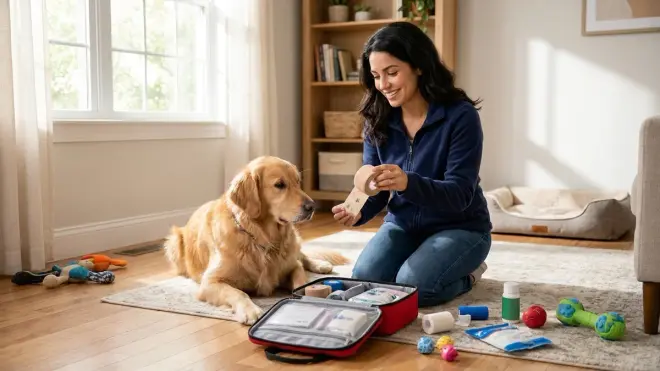
Honestly? The emergency contact list. I know that sounds less dramatic than hemostatic gauze or splints, but when your pet is injured, panic makes you forget even your own vet's phone number. Having pre-written numbers for your regular veterinarian, the nearest 24-hour emergency clinic, and the ASPCA Animal Poison Control Center right in your kit saves precious minutes. Beyond that, I'd say sterile gauze and self-adhering bandage wrap are the physical items you'll use most—they handle everything from minor cuts to more serious wounds until you can reach professional help. If you've already learned how to recognize emergency symptoms in dogs and cats, having the contacts and bandaging supplies ready means you can act instead of scrambling.
Do I need different first aid kits for different types of pets?
It depends on the species gap between your pets. If you have both a dog and a cat, one comprehensive kit with varied bandage sizes usually works. But if you have dogs and guinea pigs, like my household, the size and care differences are significant enough that I keep separate kits. Small animals need gentler materials, tiny gauze pads, and extremely careful handling since they go into shock easily. They also can't use muzzles, and their dosing for any medications requires veterinary guidance—you can't just "use less" of a dog product. Birds need entirely different care approaches. My recommendation: one primary kit covering your largest pets, then a supplemental small kit specifically for tiny animals if you have them. The overlap in basic supplies (gauze, saline) isn't wasted money when emergencies hit multiple pets.
Where should I store my pet first aid kit?
Keep your primary kit somewhere you can reach it in under thirty seconds without thinking—not tucked away in a closet you'd need to unlock or dig through. I keep mine in the cabinet right next to my guinea pigs' cage alongside their daily care supplies. For dog or cat owners, somewhere near where your pet spends most of their time makes sense. A second travel-sized kit should stay in your car if you transport pets regularly. Avoid storing kits in extremely hot or cold locations (like garages in summer or unheated sheds in winter) since temperature extremes degrade supplies. If you have multiple floors in your home, consider a kit on each level—carrying an injured pet up or down stairs while also hunting for supplies isn't ideal. And make sure everyone in your household knows exactly where the kit lives.
The Verdict
The best pet first aid kit for your household ultimately depends on which species you're caring for and how you spend time together. If you're primarily a dog owner who loves outdoor adventures, the Kurgo Dog First Aid Kit's weatherproof design and hiking-specific supplies make sense. Multi-pet households with both cats and dogs get the most value from the Pet First Aid 4 Dogs + Cats Complete Kit despite its bulk.
For my fellow small animal parents, the RC Pet Products Pocket Pet First Aid Kit finally gives us appropriately sized supplies. I've used mine three times now—twice for minor injuries and once for a nail trim that went slightly wrong—and having those tiny gauze pads and narrow bandages meant I could actually help instead of improvising with oversized dog supplies.
Whatever kit you choose, customize it for your specific pets. Add extra gauze if you have multiple animals, toss in a second thermometer if it's missing, and write down those emergency numbers tonight—not after something goes wrong. That moment with Butterscotch bleeding and me frantically searching drawers taught me that preparation isn't paranoia. It's responsible pet ownership.