
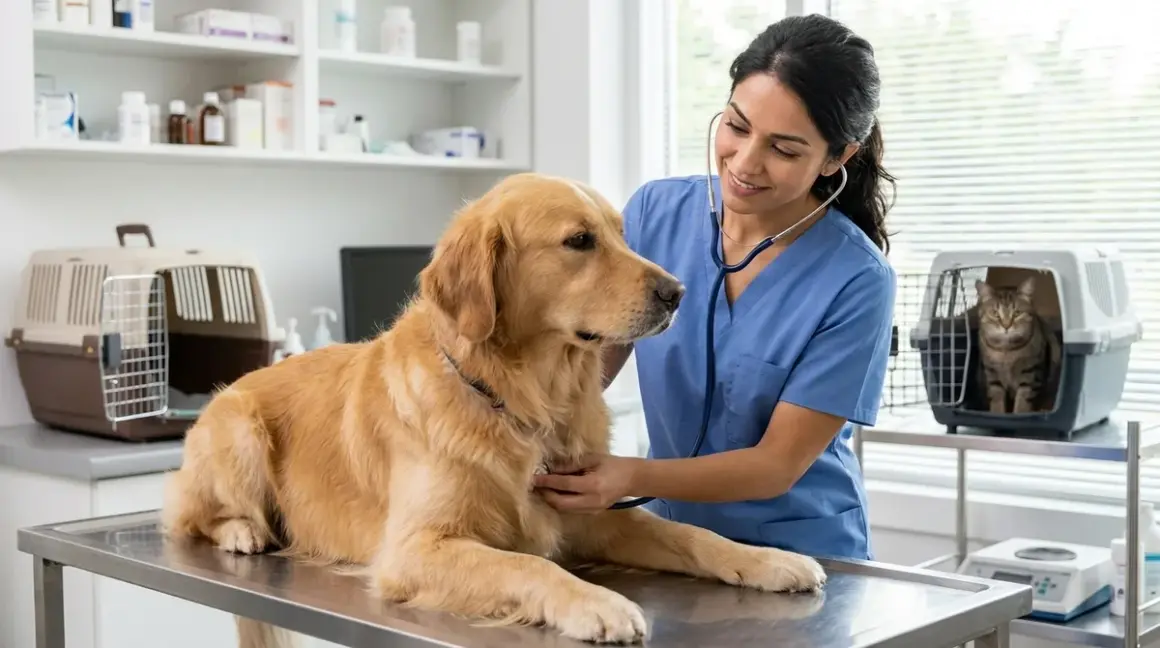

I'll be honest with you—I spent years as a guinea pig parent thinking emergency preparedness was just for "big pet" owners. Then a friend's Labrador ate a whole bag of chocolate chips, and watching her panic made me realize something: pet emergency what you need to know isn't optional knowledge. It's the difference between acting confidently when seconds count and freezing when your four-legged family member needs you most. Whether you share your home with a curious kitten or a senior dog, understanding emergency care fundamentals can literally save their life.
What Is Pet Emergency Care?
Pet emergency care is the immediate medical attention and first-response actions you provide or seek when your dog or cat experiences a sudden, potentially life-threatening health crisis. Unlike routine veterinary visits for vaccines or checkups, emergency situations demand rapid assessment and intervention—often within minutes.
The scope of pet emergency what you need to know covers everything from recognizing critical symptoms (difficulty breathing, uncontrolled bleeding, seizures) to performing basic first aid while arranging emergency transport. It includes understanding which situations require immediate professional care versus those you can monitor at home, knowing how to safely restrain an injured animal, and maintaining supplies that bridge the gap between crisis onset and veterinary intervention.
For dogs and cats specifically, emergency care differs significantly from small pet protocols. Dogs face unique risks like bloat (gastric dilatation-volvulus) in deep-chested breeds such as Great Danes and German Shepherds, while cats are masters at hiding pain until conditions become severe. Age matters tremendously—puppies and kittens are vulnerable to hypoglycemia and dehydration, adult pets to traumatic injuries, and senior animals to sudden organ failure or complications from chronic conditions.
Emergency preparedness also means understanding your limitations. You're not a veterinarian, and that's okay. Your role is stabilization and safe transport, not diagnosis or treatment beyond basic first aid.
How Pet Emergency Response Works
The emergency response process follows a systematic approach, though in practice it often happens in compressed, adrenaline-fueled moments. Here's how it actually unfolds when a crisis hits your dog or cat:
Initial Assessment (First 10-30 Seconds)
Your brain needs to make a rapid severity judgment. Is your pet conscious? Breathing? Bleeding? The American Veterinary Medical Association teaches the ABC approach: Airway, Breathing, Circulation. Check if the airway is clear—no obstructions in the mouth or throat. Watch for chest movement indicating breathing (normal rates: dogs 10-30 breaths per minute depending on size, cats 20-30). Check gum color for circulation—healthy pink indicates good blood flow, while white, gray, or blue signals emergency.
I learned this the hard way watching my friend's cat after a fall. Her gums looked pale pink, not the bright healthy pink I expected. That subtle difference signaled internal bleeding and got us to the emergency vet within fifteen minutes.
Safety and Restraint (30 Seconds to 2 Minutes)
Even the gentlest pet may bite or scratch when injured and frightened. Pain overrides training and trust. For dogs, approach calmly from the side (never head-on, which feels threatening), speak in low, soothing tones, and consider muzzling if conscious and not vomiting—though never muzzle a dog having trouble breathing. You can fashion an emergency muzzle from a long strip of gauze or soft fabric, looping it around the snout and tying behind the ears.
Cats require different handling. An injured cat will often try to hide or become aggressive. Use a towel to gently wrap the body, leaving the head exposed for breathing but containing the claws. For transport, a carrier is ideal, but a pillowcase (with you holding it open for air) works in desperate situations.
Immediate Intervention (2-5 Minutes)
This is where knowing how to recognize emergency symptoms in dogs and cats becomes critical. Based on what you're seeing, you'll need to provide appropriate first aid:
- Bleeding: Apply direct pressure with clean cloth or gauze. Don't remove the first layer if it becomes soaked—add more on top. For limb wounds, pressure above the injury helps slow blood flow.
- Choking: Time is measured in seconds here. The specific steps for safely removing obstructions or performing the Heimlich maneuver differ dramatically between dogs and cats.
- Heatstroke: Move to shade/AC immediately, apply cool (not ice-cold) water to paw pads, belly, and armpits, offer small amounts of cool water if conscious.
- Seizures: Clear the area of hazards, don't restrain or put anything in their mouth, time the seizure duration, and keep the environment dim and quiet.
Professional Care Coordination (Concurrent with Intervention)
While providing first aid, someone needs to call ahead to the emergency veterinary clinic. This isn't optional—it allows them to prepare for your arrival, ensures they can take your pet immediately, and confirms they're actually open (not all emergency clinics operate 24/7). Give them essential information: species, breed, approximate weight, nature of emergency, vital signs if you can assess them, and estimated arrival time.
Understanding the difference between emergency vet vs regular vet services helps you make the right call here. After-hours emergencies, severe trauma, poisoning, and acute respiratory distress all require emergency clinic care, not waiting for your regular vet's office to open.
Safe Transport (5-15 Minutes)
Getting your pet to professional care safely means thinking through logistics. Dogs under 30 pounds can often be carried in your arms (wrapped in a towel or blanket for stability), but larger dogs need careful lifting to avoid injuring yourself or worsening their injuries. Slide a board or blanket under them as a makeshift stretcher if spinal injury is suspected.
Cats should always travel in a carrier or secure box. A loose, panicked cat in a moving vehicle is dangerous for everyone. Keep the vehicle cool, drive smoothly, and have someone in the back monitoring the pet if possible.
Why Emergency Preparedness Matters for Dog and Cat Owners

The statistics around pet emergency what you need to know are sobering. According to veterinary emergency medicine data, approximately one in three pets will experience a health emergency requiring immediate care at some point in their lives. The difference between positive and negative outcomes often hinges on the first 10-15 minutes—before professional help arrives.
Time is tissue, as emergency vets say. Every minute of oxygen deprivation to the brain during choking or cardiac arrest causes irreversible damage. Every hour of gastric dilatation-volvulus (bloat) in dogs increases mortality risk by approximately 1%. Delayed treatment for toxin ingestion allows more poison to be absorbed into the bloodstream. The window for optimal intervention is brutally narrow.
But here's what really convinced me: preparedness reduces panic. When you've mentally rehearsed scenarios, assembled supplies, and practiced basic techniques, you don't freeze when your cat suddenly can't breathe or your dog starts having a seizure. Your hands know what to do even when your mind is screaming. That calm, decisive response is what your pet needs—not perfection, but action.
For specific breeds and life stages, the importance varies but never disappears. Brachycephalic breeds (Bulldogs, Pugs, Persian cats) face higher risks of respiratory emergencies due to their compressed airways. Large, deep-chested dog breeds have elevated bloat risk. Senior pets (dogs 7+ years for large breeds, 10+ for small breeds; cats 11+ years) experience higher rates of sudden heart failure, strokes, and organ dysfunction. Puppies and kittens under six months are vulnerable to hypoglycemia, infectious disease complications, and accidental poisoning from their indiscriminate chewing and exploring.
Having the best pet first aid kits owners need to keep on hand means you can respond immediately without scrambling through cabinets. The peace of mind alone is worth it—trust me, I used to think this was overkill until I needed gauze at 2 a.m. for a friend's dog laceration.
Types of Common Pet Emergencies in Dogs and Cats
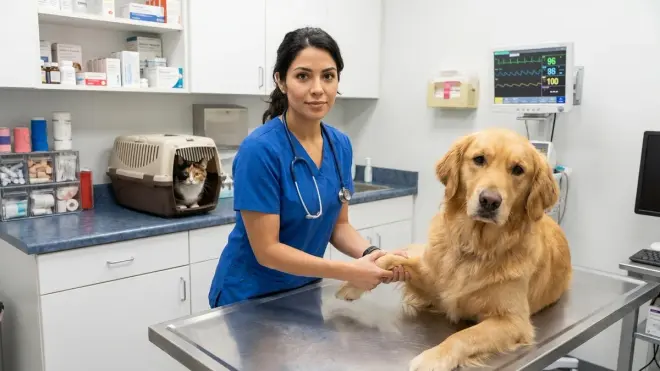
Pet emergencies cluster into several categories, each with distinct warning signs and response protocols. Understanding these patterns helps you recognize what you're dealing with and take appropriate action.
Respiratory Emergencies
These involve any situation where your pet cannot breathe normally—choking, allergic reactions causing throat swelling, asthma attacks in cats, tracheal collapse in small-breed dogs, or fluid in the lungs. Signs include: gasping, blue or pale gums, extended neck, open-mouth breathing in cats (never normal), panicked expression, and loss of consciousness in severe cases. Response time is critical—brain damage begins after 3-4 minutes without oxygen. The specifics of what to do when your pet is choking can mean the difference between life and death.
Toxin Ingestion
Dogs and cats explore the world differently, but both face poisoning risks. Common culprits include chocolate, xylitol (artificial sweetener), grapes/raisins, onions, garlic, lilies (extremely toxic to cats—even pollen), antifreeze, rodent poison, and human medications like ibuprofen or acetaminophen. Signs vary wildly depending on the toxin: vomiting, diarrhea, drooling, tremors, seizures, weakness, or sudden collapse. Knowing pet poison control common toxins and having the ASPCA Poison Control number (888-426-4435) saved in your phone is essential. Time matters—some toxins can be purged if caught within 1-2 hours, while others require immediate chelation therapy or antidotes.
Trauma and Injury
This category covers everything from car accidents and dog attacks to falls (especially for cats in high-rise apartments—"high-rise syndrome") and crush injuries. Visible signs include bleeding, limping, inability to stand, visible bone fragments, or abdominal swelling. Hidden dangers include internal bleeding, spinal damage, and shock. Never assume a pet who walks away from an accident is fine—internal injuries can be silent killers. Keep movement minimal and transport on a flat surface if spinal injury is possible.
Gastrointestinal Crises
Bloat (gastric dilatation-volvulus) primarily affects large, deep-chested dogs and is immediately life-threatening—the stomach fills with gas and twists, cutting off blood supply. Symptoms include restless pacing, unproductive retching (trying to vomit but nothing comes up), hard, distended abdomen, and rapid deterioration. Without emergency surgery within hours, mortality approaches 100%. Foreign body obstructions (dogs eating toys, socks, corn cobs; cats swallowing string or ribbon) present with repeated vomiting, loss of appetite, lethargy, and abdominal pain.
Seizures and Neurological Events
Seizures in pets look similar to human seizures—loss of consciousness, rigid or paddling limbs, possible loss of bladder/bowel control, foaming at the mouth. They can last from seconds to several minutes. Your job is safety and timing, not intervention. Move hazards away, time the seizure duration, and stay calm. Seizures lasting more than 5 minutes or "cluster seizures" (multiple within 24 hours) require emergency care. Sudden loss of coordination, head tilt, circling, or loss of consciousness can indicate stroke or vestibular disease—both require immediate assessment.
Heat-Related Emergencies
Dogs can't sweat—they regulate temperature through panting. Brachycephalic breeds, senior pets, and overweight animals overheat rapidly. Heatstroke signs: excessive panting, drooling, bright red gums, vomiting, diarrhea, weakness, collapse. Body temperature above 104°F is dangerous; above 106°F causes organ damage. Cats are more heat-tolerant but still vulnerable, especially long-haired breeds. Cool the pet gradually with room-temperature water (not ice, which causes blood vessel constriction), focus on paw pads and belly, and get to a vet immediately—internal damage occurs even after body temperature normalizes.
Building Your Pet Emergency Response Plan
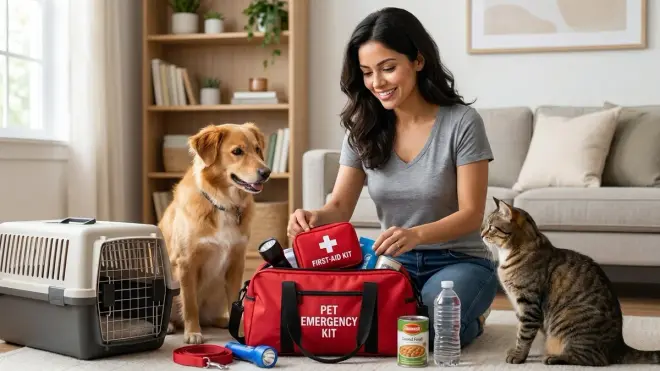
Knowing pet emergency what you need to know intellectually is different from having a functional plan when crisis strikes at 3 a.m. Here's how to build a system that actually works:
Create Your Emergency Contact List
Program these numbers into your phone right now, and print a copy for your refrigerator:
- Your regular veterinarian (name, address, phone)
- Nearest 24-hour emergency veterinary clinic (name, address, phone, driving time)
- Backup emergency clinic (in case the first is full)
- ASPCA Poison Control: 888-426-4435 (note: consultation fee typically applies)
- Pet Poison Helpline: 855-764-7661 (alternative poison control service)
- A trusted friend or neighbor who can transport your pet if you're unable
- Your pet's microchip number and registry contact
Assemble Location-Specific First Aid Supplies
You need supplies in three locations: home, car, and travel bag. Home kit should include gauze pads and rolls, adhesive tape, hydrogen peroxide 3% (to induce vomiting only when poison control instructs), digital thermometer, disposable gloves, scissors, tweezers, emergency blanket, flashlight, and copies of vaccination records. Car kit should be more compact but include basics for stabilization during transport. Don't assume you'll remember to grab supplies during a crisis—you won't.
Practice Basic Techniques When Calm
You can't learn restraint techniques or how to check vital signs during an actual emergency. Practice checking your pet's gum color, taking their pulse (inside rear leg where it meets the body), and counting respirations when they're healthy and calm. This gives you a baseline to compare against. Practice muzzling (with treats and praise, making it positive), wrapping in a towel, and safe lifting techniques. Most pets will tolerate brief practice sessions, especially if followed by treats.
Run Mental Scenarios
Emergency medicine professionals use mental simulation to build neural pathways that activate under stress. Spend five minutes visualizing specific scenarios: What would you do if your dog suddenly collapsed? Where's the nearest emergency clinic from your location right now? Who would you call? What route would you drive? If your cat ate something toxic, where's the poison control number? This mental rehearsal reduces decision paralysis when real emergencies happen.
Know Your Pet's Baseline
Normal vital signs vary by species, size, and age:
- Dogs: Heart rate 60-140 bpm (smaller dogs higher), respiratory rate 10-30 breaths/minute, temperature 101-102.5°F
- Cats: Heart rate 140-220 bpm, respiratory rate 20-30 breaths/minute, temperature 100.5-102.5°F
Your individual pet may run slightly outside these ranges normally. Check their vitals during wellness visits and write them down—this becomes your personal baseline.
Prepare for Financial Reality
Emergency veterinary care is expensive—typically $800-$3,000+ for serious emergencies requiring hospitalization, surgery, or intensive care. Have a plan: dedicated emergency savings, pet insurance (most policies cover emergency care with deductibles and co-pays), or credit options like CareCredit. Financial paralysis during medical decisions adds unnecessary stress and may compromise care.
Update Your Plan Quarterly
Emergency contacts change, supplies expire (hydrogen peroxide loses potency after opening), and your pet's health status evolves. Set a recurring calendar reminder every three months to verify contact numbers, check expiration dates, and reassess your pet's risk factors as they age.
The Critical First Five Minutes: Step-by-Step Response Protocol

When an emergency happens, your brain dumps adrenaline and rational thought becomes difficult. Having a memorized protocol keeps you functional. Here's the exact sequence:
0-30 Seconds: Initial Safety Assessment
Approach calmly. Is the scene safe for you? (electrical hazards, traffic, aggressive animals nearby?). You can't help your pet if you're injured. Is your pet conscious? Breathing? Check for obvious severe bleeding or chest wounds. Make the stay/go decision: Can this be managed at home with monitoring, or is this an emergency vet situation?
30 Seconds-2 Minutes: Rapid Physical Check
If conscious, observe behavior—can they stand, walk, recognize you? Check ABCs: Airway clear? Breathing visible? Circulation indicated by pink gums? Gently palpate the body for obvious injuries, watching for pain responses (flinching, growling, attempting to bite). Note what you find—you'll need to relay this information.
2-5 Minutes: Provide Immediate First Aid
Based on what you've found, provide appropriate intervention:
- Bleeding: Direct pressure with clean cloth
- Not breathing but has pulse: Consider rescue breathing (5-6 breaths per minute)
- No pulse: Begin CPR if trained (different technique for dogs vs. cats)
- Seizure: Clear space, time duration, don't restrain
- Overheating: Move to cool environment, apply cool water to paw pads, belly, armpits
- Suspected poisoning: Call poison control immediately, gather the substance container if possible
Concurrent: Call for Help
If you're alone, use speakerphone. Give the emergency clinic or poison control: species, breed, age, weight (approximate), chief complaint, vital signs if you have them, your ETA. Follow their instructions exactly—they may tell you to induce vomiting, apply cold compresses, or bring the pet in immediately.
5-15 Minutes: Prepare for Safe Transport
Secure your pet properly for the car trip. Keep injured areas supported and immobilized if possible. Bring vaccination records if easily accessible (don't waste time hunting for them). Have someone else drive if available so you can monitor the pet. Keep them warm with a blanket—shock causes body temperature to drop.
During Transport: Monitor and Comfort
Watch breathing pattern and gum color. If they lose consciousness or stop breathing, you may need to pull over for CPR. Speak in calm, soothing tones even if they seem unresponsive—hearing is often the last sense to fade. Avoid excessive touching or jostling, which can worsen injuries.
When to Call Emergency Services vs. Monitor at Home
This is where pet emergency what you need to know gets nuanced. Not every concerning symptom requires a midnight emergency vet visit, but some absolutely do. Here's how to differentiate:
Always Emergency—Go Immediately:
- Difficulty breathing, gasping, blue/white gums
- Unconsciousness or unresponsiveness
- Suspected poisoning or toxin ingestion
- Seizure lasting more than 3-5 minutes or multiple seizures within 24 hours
- Severe bleeding that won't stop with 5 minutes of direct pressure
- Bloated, hard abdomen with unproductive retching (especially large dogs)
- Inability to urinate or defecate despite straining (urinary obstruction, especially male cats)
- Trauma from car accident, fall from height, dog attack
- Heatstroke (temperature above 104°F, weakness, collapse)
- Eye injuries or sudden blindness
- Suspected broken bones
- Snakebite or insect stings causing facial swelling
- Continuous vomiting or diarrhea with blood
- Collapse or sudden severe weakness
Urgent—Call Your Regular Vet for Same-Day Appointment or Advice:
- Vomiting or diarrhea without blood, lasting more than 24 hours
- Loss of appetite for more than 24 hours
- Lethargy or behavior change without other symptoms
- Minor limping without visible injury
- Excessive scratching or skin irritation
- Minor cuts or abrasions
- Mild coughing or sneezing
- Increased thirst and urination
Monitor at Home—but Watch for Worsening:
- Single episode of vomiting with otherwise normal behavior
- Mild upset stomach after dietary change
- Minor scratches that stop bleeding quickly
- Temporary mild limping that resolves within an hour
- Brief coughing after excited barking (dogs)
- Occasional sneezing without discharge
The gray area is where your judgment and knowledge of your individual pet matters. A symptom that's minor in an otherwise healthy young adult dog might be urgent in a senior pet with heart disease. When in doubt, call and describe the situation—veterinary professionals can help you triage over the phone.
Special Considerations for Different Life Stages
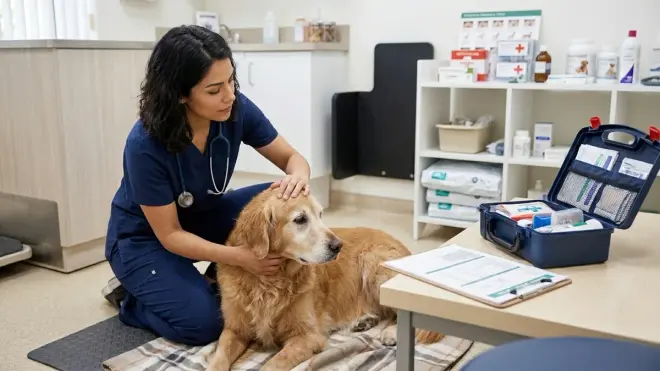
Emergency risks and responses shift significantly as pets age from bouncy puppies and kittens to dignified seniors.
Puppies and Kittens (Birth to 1 Year)
Young animals have immature immune systems and limited reserves. Hypoglycemia (low blood sugar) happens quickly in toy breed puppies and tiny kittens who miss meals—signs include weakness, trembling, disorientation, and seizures. Treatment is immediate: rub corn syrup or honey on gums and get to a vet. Dehydration occurs rapidly with vomiting or diarrhea—gently lift the skin between shoulder blades; if it doesn't snap back immediately, they're dehydrated. Young pets are also indiscriminate eaters, increasing poisoning risk. On the positive side, their small size makes CPR and rescue breathing more feasible for average-strength owners, and they often bounce back quickly with treatment.
Adult Dogs and Cats (1-7 Years for Dogs, 1-10 Years for Cats)
Adults are typically more robust but face different risks. They're active and adventurous, leading to trauma injuries—torn ACLs in dogs, bite wounds from territorial disputes, lacerations from broken glass or sharp objects. They may eat things they shouldn't (dogs especially) or get into fights. This is also when breed-specific health issues begin emerging: bloat risk in deep-chested dogs, hypertrophic cardiomyopathy in certain cat breeds like Maine Coons and Ragdolls. Adult pets benefit from maintaining healthy weight—obesity dramatically increases anesthesia risk during emergency surgery and slows recovery.
Senior Dogs and Cats (7+ Years for Large Dogs, 10+ for Small Dogs, 10+ for Cats)
Aging pets accumulate risk factors. Sudden collapse or weakness may indicate heart disease, internal bleeding from tumors, or stroke. Increased respiratory effort might reflect heart failure or lung disease. Senior pets often have reduced kidney or liver function, complicating drug dosing during emergency treatment. They're more sensitive to temperature extremes and take longer to recover from any health crisis. The hard reality: some emergency situations in elderly pets, like massive stroke or severe organ failure, may not be survivable even with aggressive treatment. Having conversations with your regular vet about your senior pet's baseline health, realistic prognosis for various emergencies, and your wishes regarding resuscitation helps you make decisions under pressure. This isn't easy to think about—watching my friend navigate end-of-life care for her 15-year-old Golden Retriever taught me the value of advance planning.
Frequently Asked Questions
What should I do first when I discover my dog or cat is having a medical emergency?

First, take a deep breath and assess the scene for safety—approach calmly and ensure the area is safe for both you and your pet. Check if your pet is conscious and breathing by looking for chest movement and checking their airway for obstructions. If they're breathing and conscious, gently examine them for obvious injuries like bleeding or broken bones while someone else calls your emergency veterinarian to alert them you're coming. Keep your pet warm with a blanket, minimize movement if injury is suspected, and transport them to emergency care as quickly and safely as possible while monitoring their condition during the trip.
How can I tell if my pet's condition is truly an emergency or something that can wait until regular vet hours?
Any situation involving difficulty breathing, unconsciousness, severe bleeding that won't stop with pressure, suspected poisoning, seizures lasting more than 3-5 minutes, bloated abdomen with unproductive vomiting, inability to urinate, trauma from accidents, or collapse requires immediate emergency care regardless of the time. Conditions like mild vomiting without blood, temporary limping, or decreased appetite without other symptoms can typically wait for a same-day regular vet appointment, though you should call for guidance. When you're uncertain, call the emergency clinic and describe the symptoms—veterinary professionals can help you determine urgency over the phone, and it's always better to err on the side of caution with your pet's health.
Should I try to give my pet any medication or treatment at home before going to the emergency vet?
Never give your pet any human medications or treatments unless specifically instructed by a veterinarian or poison control, as many common medications like ibuprofen, acetaminophen, and aspirin are toxic to dogs and cats even in small doses. The only home intervention you should consider is using 3% hydrogen peroxide to induce vomiting if poison control instructs you to do so after toxin ingestion—but only after speaking with them, as some substances cause more damage coming back up. Focus on basic first aid like applying direct pressure to bleeding wounds, keeping your pet calm and warm, and getting to professional care quickly rather than attempting treatments that could worsen the situation or delay critical veterinary intervention.
What vital signs should I check in my dog or cat during an emergency, and what's normal?
The three most important vital signs you can check are gum color, breathing rate, and heart rate. Healthy gums should be pink and moist—press gently and the color should return within 2 seconds after you release; pale, white, blue, or brick-red gums indicate a problem. Normal breathing rates are 10-30 breaths per minute for dogs (depending on size) and 20-30 for cats, counted by watching chest rise and fall for 15 seconds then multiplying by four. Heart rate can be felt on the inside of the rear leg where it meets the body—normal is 60-140 beats per minute for dogs (smaller breeds higher) and 140-220 for cats. If you can safely take a temperature with a rectal thermometer, normal body temperature is 101-102.5°F for dogs and 100.5-102.5°F for cats, with readings above 103°F or below 99°F indicating a problem.
How much does emergency veterinary care typically cost, and what if I can't afford the full treatment?

Emergency veterinary visits typically range from around $100-$300 just for the initial examination and triage, with total costs reaching $800-$3,000 or more if your pet requires hospitalization, surgery, advanced imaging, or intensive care over multiple days. If you're facing financial constraints, be honest with the veterinary team immediately—many emergency clinics work with financing options like CareCredit or Scratchpay that offer payment plans, and some offer reduced-cost stabilization treatment focused on the most critical interventions. You can also ask about the cost difference between treating at the emergency clinic versus stabilizing and transferring to your regular vet when they open, inquire whether pet insurance (if you have it) will cover the emergency, or contact local animal welfare organizations that sometimes provide emergency assistance grants for pets whose owners demonstrate financial need.
Preparing Your Pets for Emergencies Before They Happen
The best time to think about pet emergency what you need to know is when everything is fine—when your dog is snoring on the couch and your cat is batting at dust motes in a sunbeam. That's when you have the mental space to prepare properly.
Start by actually reading the instructions on that first aid kit instead of just buying it and shoving it in a closet. Take your dog's temperature when they're healthy so you know what's normal for them specifically (and so they're used to the process). Practice checking your cat's gum color during a calm petting session—press gently on the pink gums above the teeth, release, and watch how quickly the color returns.
Get comfortable with your pet's body. Run your hands over them regularly, noting what their normal muscle tone feels like, where their ribs are, how their abdomen feels. This body knowledge helps you detect swelling, lumps, or painful areas during emergencies. Learn their behavior baseline too—what's their normal energy level, appetite, thirst, elimination schedule? Deviations become obvious when you know the pattern.
Schedule a non-emergency conversation with your regular veterinarian specifically about emergency preparedness for your individual pet's breed, age, and health conditions. Ask: What emergencies are most likely for this breed? Are there breed-specific warning signs I should watch for? Given my pet's current health status, what's the most important thing to prepare for? This personalized guidance is far more valuable than generic advice.
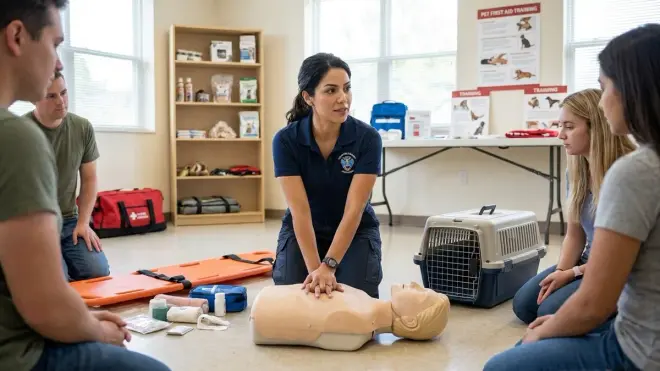
Consider taking a pet first aid and CPR course. Organizations like the Red Cross offer these specifically designed for dog and cat owners. The hands-on practice with mannequins builds muscle memory that activates when you're panicked. Yes, it takes a few hours on a Saturday, but it's the best investment you can make in your pet's safety.
Finally, have the hard conversation with your family or anyone who shares pet care responsibilities. Make sure everyone knows where supplies are kept, what the emergency numbers are, and who does what in a crisis. Assign roles: one person restrains and comforts the pet, another calls the vet, a third drives. This eliminates the chaotic scrambling that wastes precious time.
Understanding Breed-Specific Emergency Risks
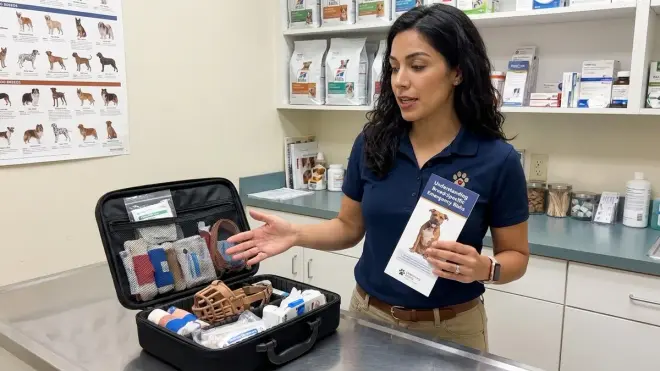
Not all pets face the same emergency risks—genetics loaded the dice differently for various breeds.
Brachycephalic (Flat-Faced) Breeds like English Bulldogs, French Bulldogs, Pugs, Boston Terriers, Persian cats, and Himalayan cats have compressed upper airways that make them vulnerable to respiratory emergencies. They overheat rapidly because they can't pant efficiently, they're prone to airway obstruction, and anesthesia carries higher risks. Watch these breeds obsessively in hot weather and during any strenuous activity. Even mild respiratory distress in flat-faced pets can deteriorate into crisis quickly.
Large, Deep-Chested Dogs including Great Danes, German Shepherds, Standard Poodles, Weimaraners, and Irish Setters face significantly elevated risk of gastric dilatation-volvulus (bloat)—one of the most rapidly fatal emergencies in dogs. Risk factors include eating one large meal daily, eating rapidly, exercising immediately after meals, and genetic predisposition. Preventive gastropexy surgery (surgically tacking the stomach to prevent twisting) is increasingly common in high-risk breeds.
Small Breed Dogs like Chihuahuas, Yorkshire Terriers, Pomeranians, and Toy Poodles are prone to tracheal collapse (weakening of the windpipe rings), hypoglycemia from missed meals, and traumatic injuries because their small size makes them fragile. They're also at higher risk for complications from attacks by larger dogs—what's a minor scuffle for a Labrador can be fatal trauma for a Yorkie.
Giant Breeds including Great Danes, Mastiffs, Saint Bernards, and Irish Wolfhounds have shorter average lifespans and face increased risk of sudden cardiac events, bone cancer, and complications from their sheer size during medical procedures. Their large body mass makes CPR physically demanding and less effective.
Brachycephalic Cats (Persians, Himalayans, Exotic Shorthairs) share many risks with flat-faced dogs—respiratory distress, heat sensitivity—but also face breed-specific conditions like polycystic kidney disease. Their inability to breathe through their mouth efficiently makes any nasal obstruction immediately critical.
Working and Herding Breeds such as Border Collies, Australian Shepherds, and Belgian Malinois are predisposed to higher anxiety levels, which can manifest in stress-related emergencies during thunderstorms, fireworks, or separation. They're also prone to exercise-induced collapse and injuries from their intense physical activity levels.
Understanding your pet's specific breed vulnerabilities helps you watch for early warning signs and prepare targeted emergency responses.
Your emergency preparedness directly reflects how much you value your pet's life. That sounds harsh, but it's true. These aren't theoretical scenarios—they're realities every dog and cat owner will likely face at some point. The difference between "I had no idea what to do" and "I knew exactly what to do" is often the difference between tragedy and recovery.
Build your emergency response system now, while your pet is healthy. Practice the techniques, assemble the supplies, program the numbers, and have the conversations. Then when crisis hits—and it probably will—you'll be the calm, capable person your furry family member needs. That preparedness is the most profound expression of love you can offer them.