
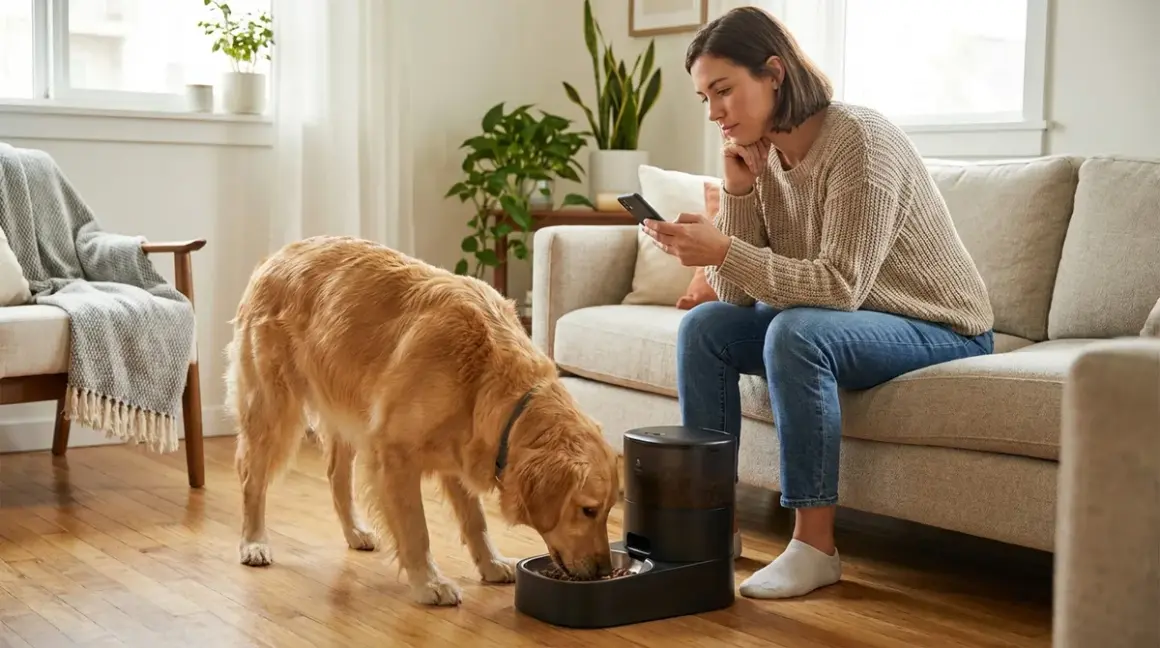

I've worked with hundreds of dog owners over the years who needed to leave their dogs alone for various reasons—work trips, family emergencies, or just long shifts at the office. One question that comes up constantly is how long can you leave a dog with an automatic feeder, and whether it's actually safe for your dog. The short answer? It depends on your dog's age, health, temperament, and how well you've prepared. In this guide, I'll walk you through the practical considerations and safety protocols I've developed from two decades of training dogs and consulting with their families.
You'll learn exactly how to assess your dog's readiness for extended alone time, what to look for in a reliable automatic feeder setup, and the step-by-step process for leaving your dog safely. This is intermediate-level preparation that takes about a week of gradual training before your actual absence. Whether you're planning a weekend away or need to cover a 12-hour workday, these guidelines will help you make the right call for your specific situation.
What You'll Need
Before we get into the actual steps, here's what you'll need to set up a safe automatic feeding system:
- A quality automatic feeder with reliable dispensing mechanism and battery backup (check out options in our guide to the Best Automatic Dog Feeders: 10 Smart Feeders for Busy Pet Parents)
- Multiple water sources – at least two separate bowls or a gravity waterer with 1-gallon minimum capacity
- A safe, dog-proofed space where your dog can't access hazards or destroy furniture
- Home monitoring camera with two-way audio so you can check in and speak to your dog
- Emergency contact list with at least two neighbors, friends, or a professional dog sitter who can check on your dog if needed
- Your dog's regular food portioned into appropriate meal sizes
- Safe enrichment items like puzzle toys or long-lasting chews (nothing that could become a choking hazard)
- Puppy pads or outdoor access if you'll be gone longer than your dog's bladder capacity allows
- Your dog's medical records and vet contact info easily accessible for your emergency contact person
Step 1: Assess Your Dog's Maximum Alone Time Based on Age and Health
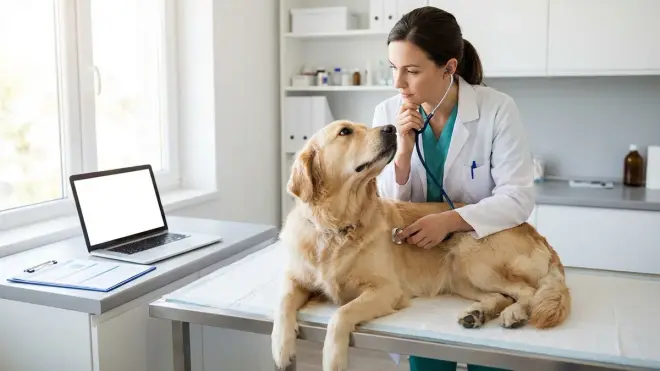
Here's what usually works: adult dogs between ages 2-7 with no health issues can typically handle 8-10 hours alone with an automatic feeder. But that's just the starting framework.
Puppies under six months should never be left alone longer than their age in months plus one hour. A three-month-old puppy? Four hours maximum, and that's pushing it. Their bladders simply can't hold it longer, and the psychological stress of isolation can create anxiety issues that'll take months to fix. I've seen this a hundred times—owners who left a young puppy too long and ended up with a dog that panics every time they grab their car keys.
Senior dogs over age 8 need individual assessment. Some healthy seniors do fine for 8-10 hours, but many have bladder control issues, arthritis that makes movement painful, or cognitive decline that causes confusion when routines change. If your senior dog takes daily medications or has conditions like diabetes or Cushing's disease, you're looking at 4-6 hours maximum before someone needs to check on them.
Dogs with separation anxiety, regardless of age, need professional behavior modification before you consider leaving them with just an automatic feeder. The feeder won't address the panic they experience when you're gone—in fact, some anxious dogs won't eat at all when stressed.
Key point: Start conservative. If you've never left your dog alone for more than 4 hours, don't jump straight to a full weekend. Test shorter durations first and build up gradually.
Step 2: Choose and Test Your Automatic Feeder System at Least One Week in Advance
Don't wait until the morning you're leaving to set up a new feeder. I've talked to too many panicked owners whose "reliable" feeder jammed or malfunctioned the first time they actually needed it.
Set up your automatic feeder and run it for a full week while you're home. Watch how your dog interacts with it. Some dogs figure it out immediately—they hear the motor whir and come running. Others get startled by the sound and won't approach the food. One Sheltie I worked with was so afraid of the dispensing noise that we had to desensitize her over two weeks before she'd eat from it confidently.
Program the feeder to dispense meals at your dog's regular feeding times. Most adult dogs do well with two meals daily, but adjust based on your dog's needs. For guidance on appropriate nutrition, check out our article on how to choose the right dog food for your dog's needs.
Test the portion sizes. Automatic feeders can be imprecise, and you don't want your dog getting 30% more food than normal or going hungry because the mechanism only released half a meal. Physically weigh what comes out for three days straight to verify consistency.
Check the battery backup function by unplugging the feeder mid-day. Does it still dispense on schedule? Some cheaper models lose their programming entirely when power cuts out. That's a deal-breaker if you're counting on it for your dog's meals.
Look for feeders with transparent hoppers so you can visually confirm food levels, and choose models that seal tightly to keep food fresh. Nothing worse than coming home to find your dog ate spoiled kibble because moisture got into the feeder.
Step 3: Set Up Multiple Fail-Safes for Water Access
Water is non-negotiable. Your dog can survive a missed meal, but dehydration becomes dangerous within 24 hours, especially in warm weather or for active dogs who drink frequently.
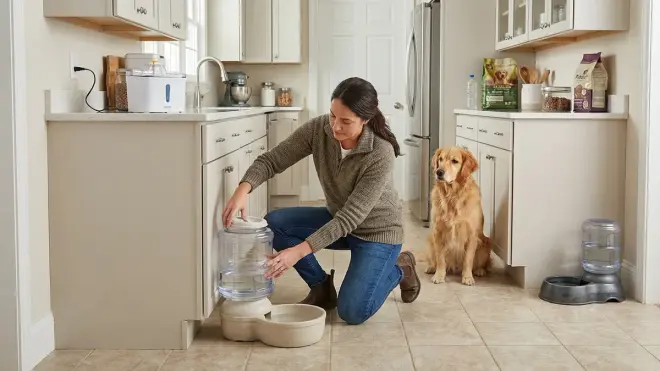
I always recommend at least two separate water sources. Use a combination of a standard bowl (easy for your dog to drink from) and a gravity waterer or large reservoir bowl (holds more water as backup). Place them in different areas so if your dog knocks one over—and trust me, it happens—they still have access to the other.
For larger dogs or longer absences, consider a 1-gallon or larger gravity waterer. A 50-pound dog typically drinks about 50 ounces daily under normal conditions, more if they're active or it's warm. A gallon provides enough buffer for a full day plus safety margin.
Position water bowls on stable surfaces away from high-traffic areas where your dog might knock them over during play or if they get the zoomies. Heavy ceramic bowls or rubber-bottomed stainless steel dishes are harder to tip than lightweight plastic.
If you'll be gone longer than 24 hours, a pet water fountain with a 2-3 gallon capacity provides circulating fresh water and encourages drinking. Just make sure your dog is comfortable with the fountain's sound and movement before you leave.
Test your water setup the same way you tested the feeder—leave it for several days and verify your dog drinks normally and that the water stays clean and accessible.
Step 4: Dog-Proof Your Space and Establish Boundaries
The space where your dog stays matters enormously. I recommend confining your dog to a safe room or area, not giving them full house access, unless they're extremely reliable when alone.
Remove anything potentially dangerous: electrical cords they could chew, toxic plants, small objects they could swallow, cleaning supplies, medications, and human food (especially chocolate, grapes, onions, or xylitol-containing items). Check lower shelves and countertops—dogs get creative when bored.
Secure trash cans. Use locking lids or place bins in closed cabinets. The number of emergency vet visits I've heard about from dogs who got into garbage while owners were away is staggering.
Close doors to rooms you want off-limits. Consider baby gates to section off a safe zone that includes their bed, feeder, water, and some space to move around. For most dogs, this would be a kitchen, mudroom, or large bathroom—somewhere with washable floors in case of accidents.
Make sure the temperature is comfortable. Dogs can't regulate temperature like we do, so if you're leaving during hot months, keep air conditioning set to 75-78°F maximum. In winter, don't drop below 65°F for most breeds. Extreme temperatures are especially dangerous for brachycephalic breeds (flat-faced dogs like Bulldogs or Pugs) and senior dogs.
Provide comfortable resting spots away from direct sunlight. Dogs will often sleep most of the time you're gone, so a cozy bed or mat matters.
Step 5: Install Camera Monitoring and Test Communication
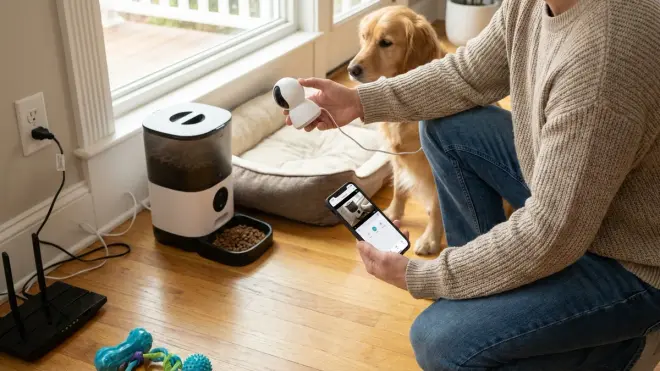
A home camera with two-way audio isn't optional if you're asking how long can you leave a dog with an automatic feeder. It's your lifeline to verify your dog is safe and the system is working.
I recommend cameras that offer wide-angle views, night vision, motion alerts, and reliable connectivity. Place the camera where you can see the feeding station, water sources, and your dog's primary resting area. Some owners use two cameras to cover larger spaces.
Test the video quality and audio clarity before you leave. Make sure you can actually hear your dog bark or whine, and that they can hear your voice clearly when you speak through the camera. Some dogs find hearing their owner's voice comforting, while others get more agitated—test this in advance to see how your dog responds.
Set up motion alerts so you get notified when your dog is active. This helps you spot problems quickly, like a dog who's pacing anxiously or one who hasn't moved to eat at mealtime.
Check the camera several times during your first few test runs while you're still local and can get home quickly if needed. This gives you confidence that the system works reliably and helps you learn your dog's alone-time patterns.
Record or screenshot your dog eating from the automatic feeder on schedule. This documentation helps you identify any emerging problems with food intake or feeder performance.
Step 6: Create an Emergency Response Plan and Brief Your Backup Person
Never leave a dog with an automatic feeder without a backup person who can physically check on them if something goes wrong. This isn't paranoia—it's basic safety planning.
Identify at least two people who live within 15-20 minutes of your home and are willing to serve as emergency contacts. These could be neighbors, friends, family members, or a professional pet sitter. Give them a key or access code.
Create a simple written instruction sheet that includes:
- Your dog's name, temperament, and any handling quirks
- Feeding schedule and amount (even though the feeder handles this, your backup should know what's normal)
- Location of leash, food, treats, and any medications
- Your veterinarian's contact information and nearest emergency vet clinic
- Your contact information and when you'll be checking in
- What constitutes an emergency requiring immediate vet attention
Walk your backup person through your home setup while you're still there. Show them where everything is located, demonstrate how the automatic feeder works, and let them meet your dog in a calm setting. Some dogs are protective of their space, and you want your backup person to feel comfortable entering if needed.
Schedule specific check-in times when your backup person will physically visit (if you're gone more than 12 hours) or when you'll call them after reviewing camera footage. For absences longer than 24 hours, someone should physically see your dog at least once daily.
Leave cash or payment information if your backup person needs to take your dog to the vet in an emergency. Make it clear they should act first and ask questions later if your dog appears injured or ill.
Step 7: Gradually Increase Duration and Watch for Stress Signals
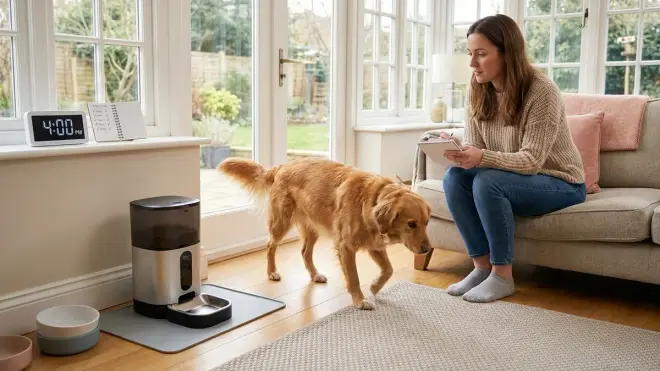
If you've never left your dog alone with an automatic feeder before, don't start with your actual trip. Do practice runs that progressively increase duration.
Start with a 2-3 hour absence while the automatic feeder operates. Come home and assess: Did your dog eat normally? Is the water level where you'd expect? Any signs of destructive behavior, excessive barking, or house soiling? Review your camera footage to see how your dog behaved throughout.
If that goes well, try 4-6 hours next. Then 8 hours. Then a full workday plus evening out (10-12 hours). Each duration should be tested at least twice successfully before moving to the next level.
Watch for stress indicators on your camera footage:
- Excessive pacing or restlessness
- Constant barking, whining, or howling
- Destructive behavior like chewing furniture or doors
- Refusing to eat from the automatic feeder
- House soiling in dogs who are normally housetrained
- Excessive panting or drooling when temperature is comfortable
If you see these signs, your dog isn't ready for extended alone time with just an automatic feeder. You'll need to either shorten the duration, hire a dog walker or pet sitter to break up the day, or work on the underlying anxiety before trying again. Sometimes dogs who seem fine for 6 hours fall apart at hour 8—that's valuable information about your dog's actual limit.
Consider that some dogs do better with enrichment activities. Long-lasting chews, frozen Kong toys stuffed with safe food, or puzzle feeders can help break up the monotony. Just make sure anything you leave is truly safe and can't become a choking hazard. For training-related enrichment ideas, our guide on how to use treats for puppy training offers useful approaches.
Step 8: Make the Final Decision Based on Your Specific Dog's Needs
After all this preparation, you need to make an honest assessment: how long can you leave a dog with an automatic feeder in your particular situation?
For most healthy adult dogs with no anxiety issues, living in a dog-proofed space with a reliable automatic feeder, multiple water sources, camera monitoring, and an emergency backup person, 8-10 hours is the safe maximum for regular daily absences. That covers a typical workday.
For occasional longer absences like a weekend away, 24 hours is the absolute maximum I'd ever recommend, and only if:
- Your dog has successfully handled 10-12 hour absences multiple times
- Someone will physically check on your dog at the 12-hour mark
- Your dog has outdoor access or you're comfortable with indoor potty options
- The automatic feeder has proven 100% reliable over weeks of testing
- Your dog shows no signs of separation anxiety or stress
Beyond 24 hours, you're not asking about automatic feeders anymore—you're asking someone to actually care for your dog. At that point, hire a pet sitter who stays at your home or board your dog at a reputable facility. An automatic feeder can't provide bathroom breaks, companionship, or emergency medical assessment.
Some dogs simply shouldn't be left alone with just an automatic feeder at all, regardless of duration:
- Puppies under 6 months
- Dogs with serious separation anxiety
- Dogs with medical conditions requiring monitoring or frequent medication
- Dogs who are destructive or have a history of eating non-food items
- Reactive or fearful dogs who might injure themselves when stressed
- Any dog who hasn't successfully completed the gradual duration testing in Step 7
There's no shame in recognizing your dog needs more support. I've trained some incredibly smart, wonderful dogs who just can't handle alone time well—it's part of their temperament, not a failure on your part.
Pro Tips & Common Mistakes
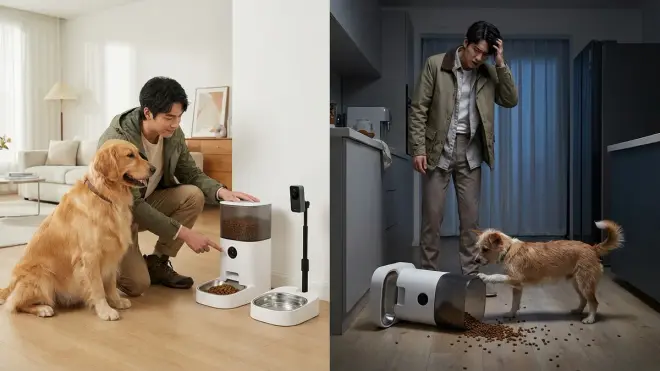
Here's something I learned the hard way: test your entire system during the same time of day you'll actually be gone. Dogs are creatures of routine, and a dog who's fine alone from 9am-5pm might become anxious alone during evening hours when they expect you home. Run your practice sessions during the actual timeframe of your planned absence.
Common mistake: Assuming that because your dog is fine loose in the house when you're home, they'll be fine loose when you're gone. Not true. Dogs behave differently when we're absent. Even well-trained dogs sometimes get into trouble when bored and unsupervised for hours. Start with confinement to a safe area and only expand access after multiple successful solo periods.
Pro tip: Leave recently worn clothing (a t-shirt or towel) in your dog's area. Your scent can be genuinely comforting. Just make sure it's something your dog won't shred or eat.
Common mistake: Making a big emotional deal about leaving or returning home. I see owners who spend 10 minutes saying goodbye with lots of pets and baby talk, then wonder why their dog gets anxious about departures. Keep comings and goings low-key. A simple "be good" and out the door. When you return, wait until your dog is calm before giving attention.
Pro tip: If you're using an automatic feeder for the first time, slightly reduce portion sizes for the first few solo meals. Some dogs get so excited about the novelty that they eat too fast and vomit. Better to err on the side of a smaller meal you know they'll keep down.
Consider leaving a TV or radio on at low volume. Some dogs find the background noise comforting, though others prefer quiet. If your dog is used to noise during the day, maintain that environment. For dogs with noise sensitivity, you might benefit from learning how to stop dog barking at night, which covers broader sound management strategies.
One more thing: trust your gut. If something feels off about leaving your dog for a particular duration or situation, it probably is. You know your dog better than anyone, and that intuition matters more than any general guideline.
Frequently Asked Questions
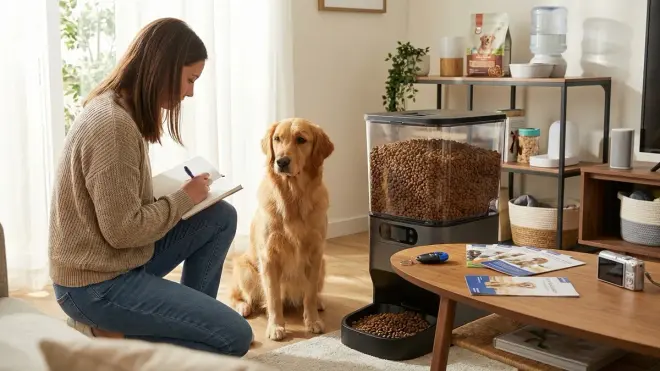
Can I leave my dog alone for a full weekend with an automatic feeder? You can leave an adult, healthy dog alone for up to 24 hours with a reliable automatic feeder, multiple water sources, and an emergency contact who checks on them, but a full weekend (48-72 hours) is too long even with automated feeding. Dogs need bathroom breaks, social interaction, and someone to verify they're safe and healthy. For weekend trips, arrange for a pet sitter to stay at your home or visit at least twice daily, or board your dog at a reputable facility.
What if my dog doesn't eat from the automatic feeder when I'm gone? Some dogs refuse food from automatic feeders due to stress, unfamiliarity with the device, or separation anxiety. To prevent this, introduce the feeder gradually over 1-2 weeks while you're home, feeding all meals through it so your dog associates it with positive experiences. If your dog still won't eat after proper introduction, they may not be ready for extended alone time, and you'll need to either address underlying anxiety issues or arrange for in-person feeding by a pet sitter.
How do I know if my automatic feeder is reliable enough to leave my dog alone? Test your automatic feeder continuously for at least one full week before depending on it during an actual absence. Verify that it dispenses the correct portion sizes consistently (weigh the food three times to confirm), maintains its schedule even after power interruptions if it has battery backup, doesn't jam or malfunction, and that your dog eats comfortably from it. Camera monitoring during test runs confirms the feeder is working properly—if it fails once during testing, don't trust it for solo feeding until you've solved the problem.
What's the maximum time I can leave a puppy with an automatic feeder? Puppies under six months old should never be left alone longer than their age in months plus one hour (a three-month-old puppy can handle about four hours maximum), regardless of automatic feeder availability. Young puppies have small bladders that can't hold urine for extended periods, need frequent meals that automated feeders can provide but shouldn't replace human supervision, and are prone to separation anxiety and destructive behavior when left too long. For puppies, arrange for midday visits from a pet sitter or dog walker rather than relying solely on automatic feeding systems.
Summary
The question of how long can you leave a dog with an automatic feeder comes down to your individual dog's age, health, temperament, and your preparation. For most healthy adult dogs in a properly prepared environment with reliable equipment and emergency backup, 8-10 hours is the daily maximum, with 24 hours as an absolute ceiling for occasional situations.
Success requires gradual training, thorough testing of your automatic feeder system, multiple fail-safes for water, camera monitoring, and an emergency contact who can physically check on your dog if needed. Never push beyond your dog's demonstrated comfort level, and recognize that some dogs simply need in-person care regardless of how good your automatic setup is.
The automatic feeder is just one tool in a complete safety system. Used correctly with all the other elements I've outlined here, it can give you peace of mind for reasonable absences while keeping your dog safe and comfortable.