
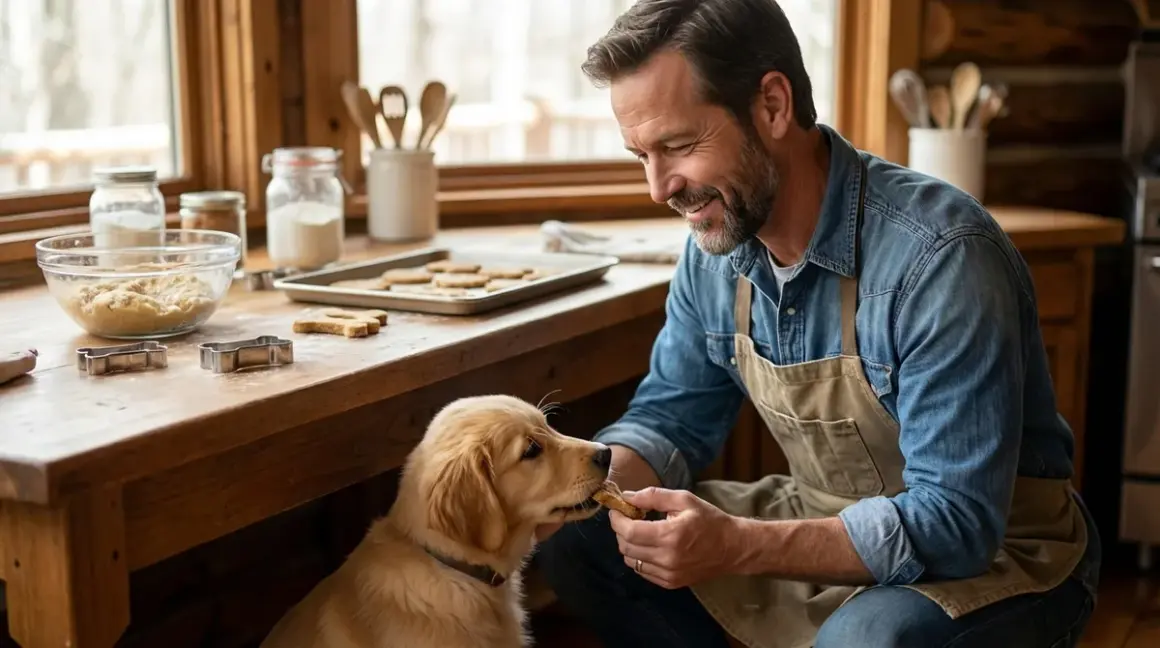

I've watched thousands of puppies learn their first commands over the past twenty years, and here's something I tell every new dog owner: the treats matter just as much as your technique. Store-bought options work fine, but a homemade puppy training treats recipe gives you complete control over ingredients, size, and texture—plus you'll save a good chunk of money in the process.
These five recipes are specifically designed for training puppies aged 8 weeks to 12 months. Each batch takes 20 minutes or less from start to finish, and they're sized perfectly for frequent rewards without overfeeding. You don't need fancy kitchen equipment or hard-to-find ingredients. Just basic pantry staples and a willingness to get a little flour on your hands.

Every recipe here follows the same principle I use when evaluating best puppy training treats: small size (pea-sized or smaller), strong aroma for motivation, and soft texture so your puppy can chew and swallow quickly without losing focus. Let's get started.
What You'll Need
Before you begin any homemade puppy training treats recipe, gather these basics:
Kitchen Equipment:
- Baking sheet or silicone baking mat
- Mixing bowl
- Fork or whisk
- Rolling pin (optional, for flat dough recipes)
- Sharp knife or pizza cutter
- Measuring cups and spoons
- Parchment paper
Common Base Ingredients (specific recipes below):
- Whole wheat flour or oat flour
- Rolled oats
- Peanut butter (xylitol-free—check the label carefully)
- Eggs
- Canned pumpkin (pure pumpkin, not pie filling)
- Sweet potato
- Unsweetened applesauce
- Low-sodium chicken or beef broth
Storage:
- Airtight container or resealable bags
- Refrigerator or freezer space
Important safety note: Always verify your peanut butter contains no xylitol, a sweetener that's toxic to dogs. Many commercial brands now use it, especially "natural" or "low-sugar" varieties. According to the American Kennel Club, xylitol can cause life-threatening hypoglycemia and liver failure in dogs.
1. Basic Peanut Butter Training Bites
This is the homemade puppy training treats recipe I recommend to first-timers. It requires just three ingredients and no fancy technique.
Ingredients:
- 1 cup whole wheat flour
- ½ cup natural peanut butter (xylitol-free)
- 1 egg
Instructions: Preheat your oven to 350°F. Mix all ingredients in a bowl until you get a thick dough—it should hold together but not be sticky. If it's too dry, add a teaspoon of water. If too wet, sprinkle in more flour.
Roll the dough into a long rope about ½-inch thick, then cut it into pea-sized pieces with a sharp knife. Place them on a parchment-lined baking sheet—they won't spread, so you can pack them close together.
Bake for 12-15 minutes until they're firm but not rock-hard. You want them chewy enough that your puppy can eat one in two seconds flat and refocus on you. Hard treats slow down training sessions, and I've seen too many puppies lose interest while they work on a crunchy biscuit.
Let them cool completely before storing. These keep for about five days in the fridge or three months in the freezer. I usually make a double batch and freeze half in a resealable bag.
2. Sweet Potato Soft Chews
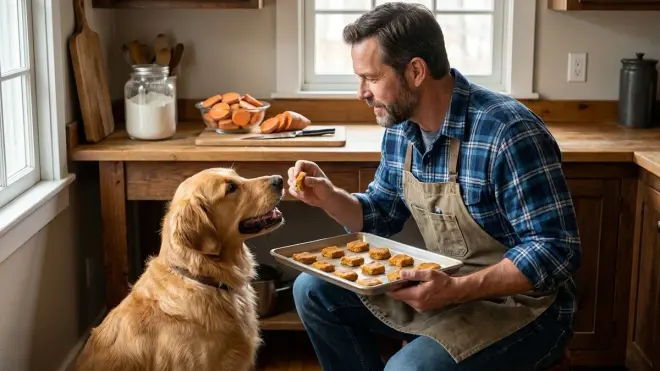
Sweet potato is naturally sweet, packed with fiber, and most puppies go absolutely nuts for it. This recipe produces a soft, chewy texture that's perfect for young mouths.
Ingredients:
- 1 medium sweet potato (about 1 cup mashed)
- 2 cups oat flour (blend rolled oats to make your own)
- 1 egg
- 2 tablespoons unsweetened applesauce
Instructions: Pierce your sweet potato with a fork and microwave it for 5-7 minutes until it's completely soft. Let it cool, then scoop out the flesh and mash it thoroughly—no lumps.
Mix the mashed sweet potato with the egg and applesauce first, then gradually stir in the oat flour. You're looking for a consistency like thick cookie dough. Oat flour absorbs moisture differently than wheat flour, so add it slowly and stop when the dough just holds together.
Spread the dough about ¼-inch thick on a parchment-lined baking sheet. Bake at 325°F for 15 minutes, then let it cool for five minutes before cutting it into tiny squares—roughly the size of a pencil eraser.
These treats are softer than the peanut butter version, which makes them ideal for puppies under 12 weeks who are still working on their adult teeth. Store them in the fridge for up to a week. They don't freeze as well as firmer treats, so make smaller batches.
3. Chicken and Oat Training Drops
This is my go-to homemade puppy training treats recipe for distraction-heavy environments. The chicken gives them a strong smell that cuts through outdoor chaos when you're working on recall or loose-leash walking.
Ingredients:
- 1 cup cooked chicken (shredded or finely chopped)
- 1 cup rolled oats
- 1 egg
- ¼ cup low-sodium chicken broth
Instructions: If you're starting with raw chicken, poach or bake it plain—no seasoning, no salt. Let it cool, then chop it into very small pieces or pulse it a few times in a food processor. You want it fine enough to bind with the oats, not chunky.
Blend the rolled oats into a coarse flour using a blender or food processor. Mix the chicken, oat flour, egg, and broth until everything's combined. The dough will be wetter than the previous recipes—more like a thick batter.
Drop small dollops (about ½ teaspoon each) onto a parchment-lined baking sheet. They'll look like tiny lumpy pancakes. Bake at 350°F for 18-20 minutes until they're firm on the outside. They'll still be slightly soft in the middle, which is fine.
These have the strongest aroma of all five recipes, which makes them excellent motivation for puppies who are just learning what treats mean. The downside is they don't keep as long—about four days in the fridge. Freeze extras if you make a large batch.
4. Pumpkin and Banana Bites
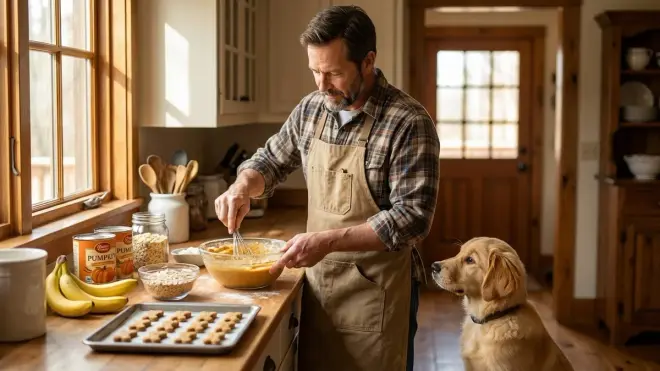
Pumpkin settles sensitive stomachs, and banana adds natural sweetness plus a soft texture. I recommend this recipe for puppies who have digestive quirks or if you're training intensively and going through a lot of treats in one day. You want to be thoughtful about how many treats you give your puppy during training to avoid upset stomachs.
Ingredients:
- ½ cup pure canned pumpkin (not pie filling)
- 1 ripe banana, mashed
- 2 cups whole wheat flour
- 1 tablespoon honey (optional, for extra stickiness)
Instructions: Mash your banana thoroughly—the riper it is, the sweeter and easier to mash. Combine it with the pumpkin and honey if you're using it. Mix well.
Add the flour gradually, stirring until you get a dough that's firm enough to roll but still slightly tacky. If it's too sticky to handle, add flour a tablespoon at a time.
Roll the dough into small balls about the size of a blueberry, then flatten them slightly with your thumb. Place them on a parchment-lined baking sheet and bake at 350°F for 15-17 minutes until the edges just start to brown.
These treats have a mild flavor compared to the chicken recipe, but that's actually useful. Save the high-value chicken treats for difficult behaviors, and use these milder ones for simple commands your puppy already knows. It's called variable reinforcement, and it keeps training interesting.
Store in the fridge for up to a week. They freeze beautifully for up to three months.
5. Liver Training Treats (High-Value Rewards)
Here's what usually works when you need maximum motivation: liver. It smells terrible to us, but puppies lose their minds for it. Use this homemade puppy training treats recipe when you're teaching challenging behaviors or working around major distractions.
Ingredients:
- ½ pound fresh beef liver
- 1 cup whole wheat flour
- 1 egg
- ¼ cup water
Instructions: Fair warning: cooking liver smells strong. Open a window. Chop the raw liver into chunks and puree it in a food processor or blender until it's completely smooth. This takes about 30 seconds.
Mix the liver puree with the egg and water, then stir in the flour until you have a thick, spreadable mixture—think brownie batter consistency.
Spread it about ¼-inch thick on a parchment-lined baking sheet. Bake at 325°F for 20 minutes. The top will look dry and slightly cracked. Let it cool for 10 minutes, then cut it into tiny pieces.
These are the ultimate high-value treats. I've used them to train reliable recalls in beagles, which tells you everything you need to know about their motivational power. But use them sparingly—they're rich, and too many can cause loose stools.
Store in the fridge for up to five days or freeze for three months. I keep a small container in my training pouch and freeze the rest in weekly portions.
Pro Tips & Common Mistakes
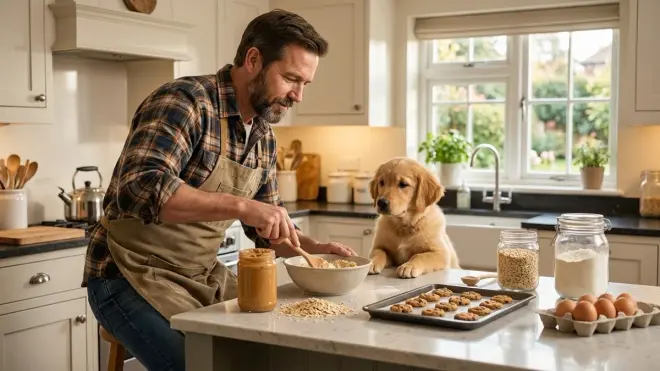
Size matters more than you think. I've seen this a hundred times: someone makes beautiful homemade treats, cuts them into half-inch cubes, and wonders why their puppy fills up after five repetitions. Your training treats should be smaller than you think is reasonable—pea-sized or smaller. You're teaching your puppy to work for tiny tastes, not full snacks. When I'm working with toy breeds like Yorkies or Chihuahuas, I cut treats down to the size of a grain of rice.
Freeze in training-sized portions. Don't freeze an entire batch in one container. Divide it into what you'll use in a single week. Repeated thawing and refreezing degrades texture and creates moisture that leads to mold.
Test for allergies with new ingredients. If your puppy has never had pumpkin or sweet potato before, make a small test batch first. Feed a few pieces and watch for digestive upset over the next 24 hours. Food sensitivities show up as loose stools, gas, or itching.
Avoid common toxic ingredients: Never use chocolate, grapes, raisins, onions, garlic, macadamia nuts, or anything with xylitol. These are toxic to dogs even in small amounts.
Don't overbake. Rock-hard treats aren't useful for training. Your puppy needs to chew and swallow quickly—ideally in under three seconds—so they can refocus on the next repetition. If your treats come out too hard, reduce your bake time by 3-5 minutes next batch.
Texture changes in storage are normal. Homemade treats don't have the preservatives and stabilizers that keep commercial treats consistent. They might soften slightly in the fridge or get a bit firmer after freezing. That's fine as long as there's no mold or off smell.
Frequently Asked Questions
Can I use these homemade puppy training treats recipes for adult dogs?
Yes, these recipes work perfectly for adult dogs and senior dogs too. The only difference is you might make them slightly larger for big adult dogs who can handle a bigger piece without choking. For senior dogs with dental issues, stick with the softer recipes like the sweet potato chews or pumpkin bites.
How long do homemade puppy training treats last compared to store-bought?
Most of these recipes stay fresh for 5-7 days refrigerated or up to 3 months frozen, while commercial treats often last 12-18 months at room temperature due to preservatives. The trade-off is you control exactly what goes into homemade versions—no artificial colors, fillers, or mystery ingredients. I make a fresh batch every Sunday and freeze extras.
Can I substitute ingredients if my puppy has allergies?
Absolutely. If your puppy can't have wheat, swap in oat flour, rice flour, or chickpea flour. For egg allergies, try using a "flax egg" (1 tablespoon ground flaxseed mixed with 3 tablespoons water, let it sit for 5 minutes). If peanut butter is off the table, use sunflower seed butter or almond butter instead—just verify it's xylitol-free.
Should I adjust my puppy's meals if I'm using lots of training treats?
Yes, definitely. Training treats are food, not magic freebies. If you're doing serious training and going through 50-100 treats a day, reduce your puppy's regular meals by about 10-20% to compensate. Watch your puppy's body condition—you should be able to feel their ribs easily but not see them prominently. Learning how to use treats for puppy training effectively includes managing their overall calorie intake.
Summary
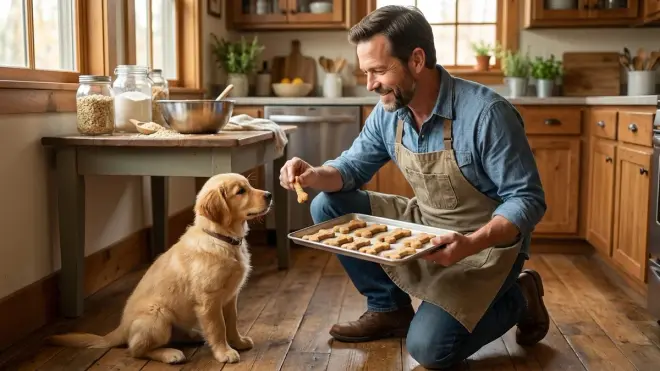
These five homemade puppy training treats recipes give you complete control over ingredients, size, and cost. The basic peanut butter bites are perfect for beginners, sweet potato chews work beautifully for young puppies with sensitive mouths, chicken drops provide high-value motivation for outdoor work, pumpkin banana bites are gentle on digestion during intensive training, and liver treats are your secret weapon for the toughest behaviors.
Make a batch this weekend. Your puppy won't know the difference between homemade and a premium store brand, but your wallet will, and you'll know exactly what they're eating. Start with the peanut butter recipe if you're new to this—it's foolproof, and you'll have training treats cooling on your counter in twenty minutes.